Overview
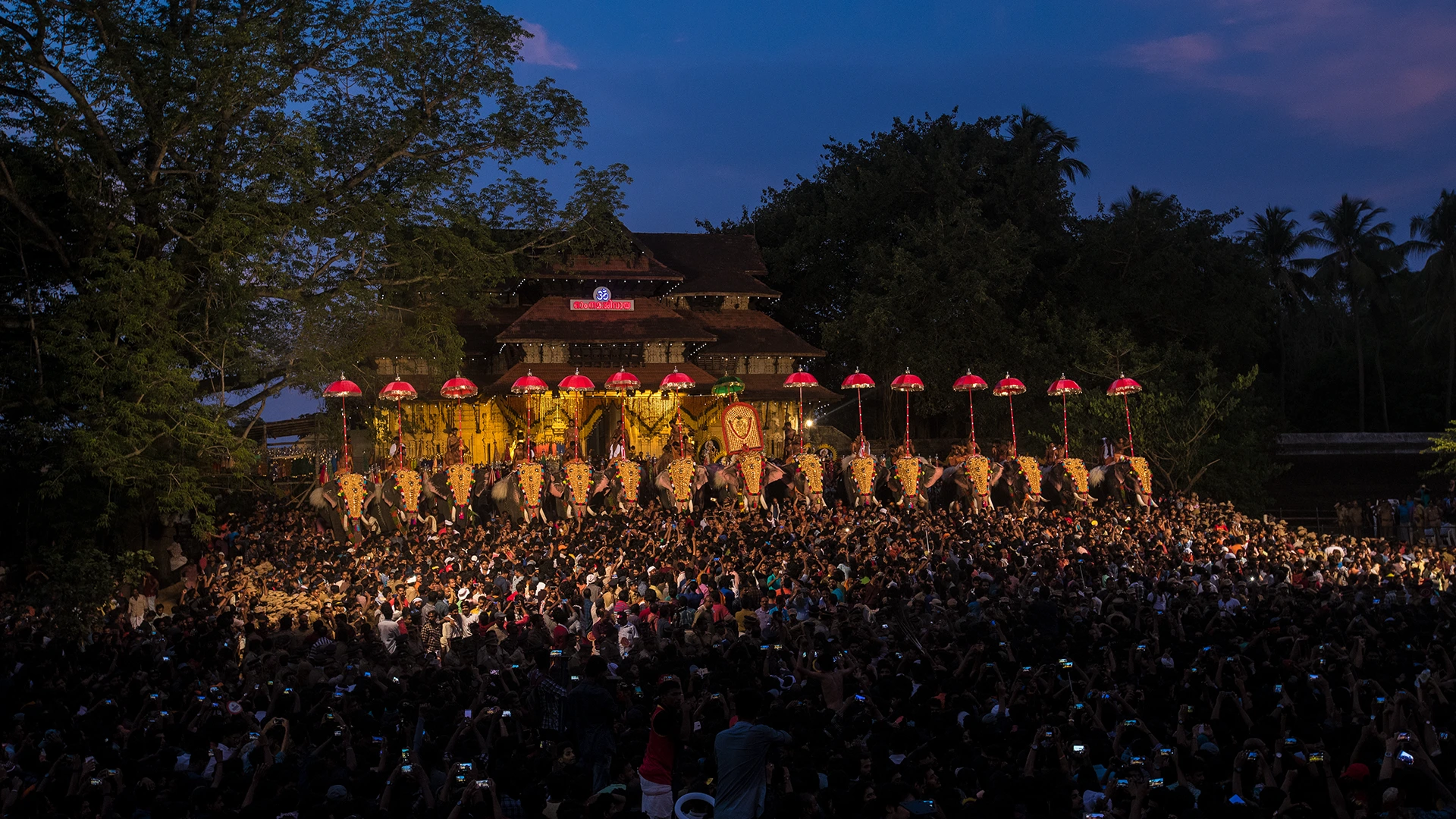
Thrissur is the cultural capital of Kerala, the heartbeat of its art, temple, and festival traditions. Home to the spectacular Thrissur Pooram — the festival of festivals — the ancient Vadakkunnathan Temple, Kerala's largest waterfall at Athirappilly, and the legendary Guruvayur Krishna Temple, Thrissur is where Kerala's heritage comes alive.
Top Attractions
Athirappilly Waterfalls
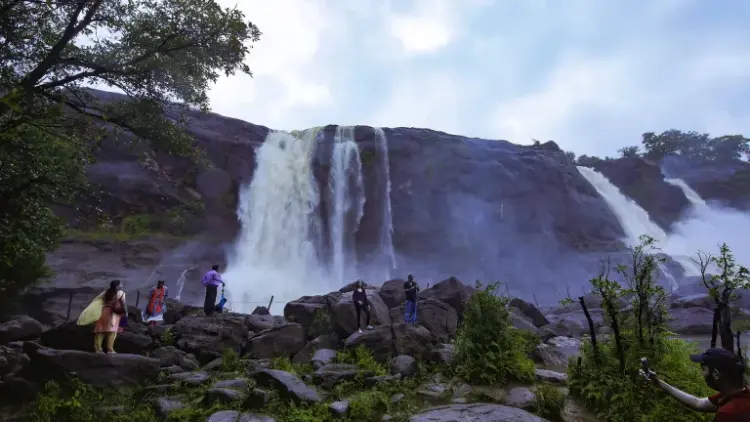
Athirappilly Falls is Kerala's largest and most spectacular waterfall — a thundering 80-foot curtain of water plunging over a horseshoe-shaped cliff face on the Chalakudy River, surrounded by dense tropical rainforest. Often called the 'Niagara of India', it has featured in numerous Bollywood and South Indian films.
The falls are located in the Athirappilly–Vazhachal forest area, about 60 km from Thrissur. A paved path leads down from the entrance to two viewing platforms — the top offers a panoramic overview, while the base trail takes you to the plunge pool where the spray is exhilarating. The surrounding Sholayar forest is part of the Anamalai–Parambikulam elephant corridor and is rich in biodiversity, including hornbills, lion-tailed macaques, and wild elephants.
For the adventurous, a trekking trail descends from the upper viewpoint through dense semi-evergreen forest to the base of the waterfall — roughly 1–1.5 km each way over rocky steps and tree-root paths. At the base, you stand face-to-face with the full force of the falls, the spray soaking everything within 20 metres. The trail also offers chances to spot Malabar giant squirrels, hornbills, and butterflies. The trek is best done in the morning before the midday heat and crowds arrive.
Vazhachal Waterfalls
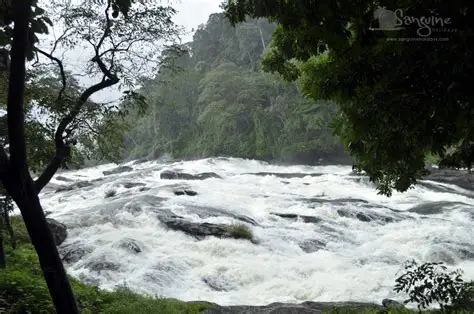
Vazhachal Falls is a picturesque cascade on the Chalakudy River, about 5 km upstream from Athirappilly. Set against a backdrop of dense tropical forest, the falls are gentler than their famous neighbour — a wide, multi-step cascade flowing over mossy rocks rather than a sheer drop. Together, Athirappilly, Charpa, and Vazhachal form a natural waterfall circuit that can be covered in a single morning.
The Vazhachal Forest Division around the falls is home to some of Kerala's rarest wildlife, including the great Indian hornbill and the Cochin forest cane turtle. A forest check-post at Vazhachal marks the start of the Sholayar forest reserve. The riverside area near the falls has been landscaped with pathways and is a popular picnic spot.
Charpa Waterfalls
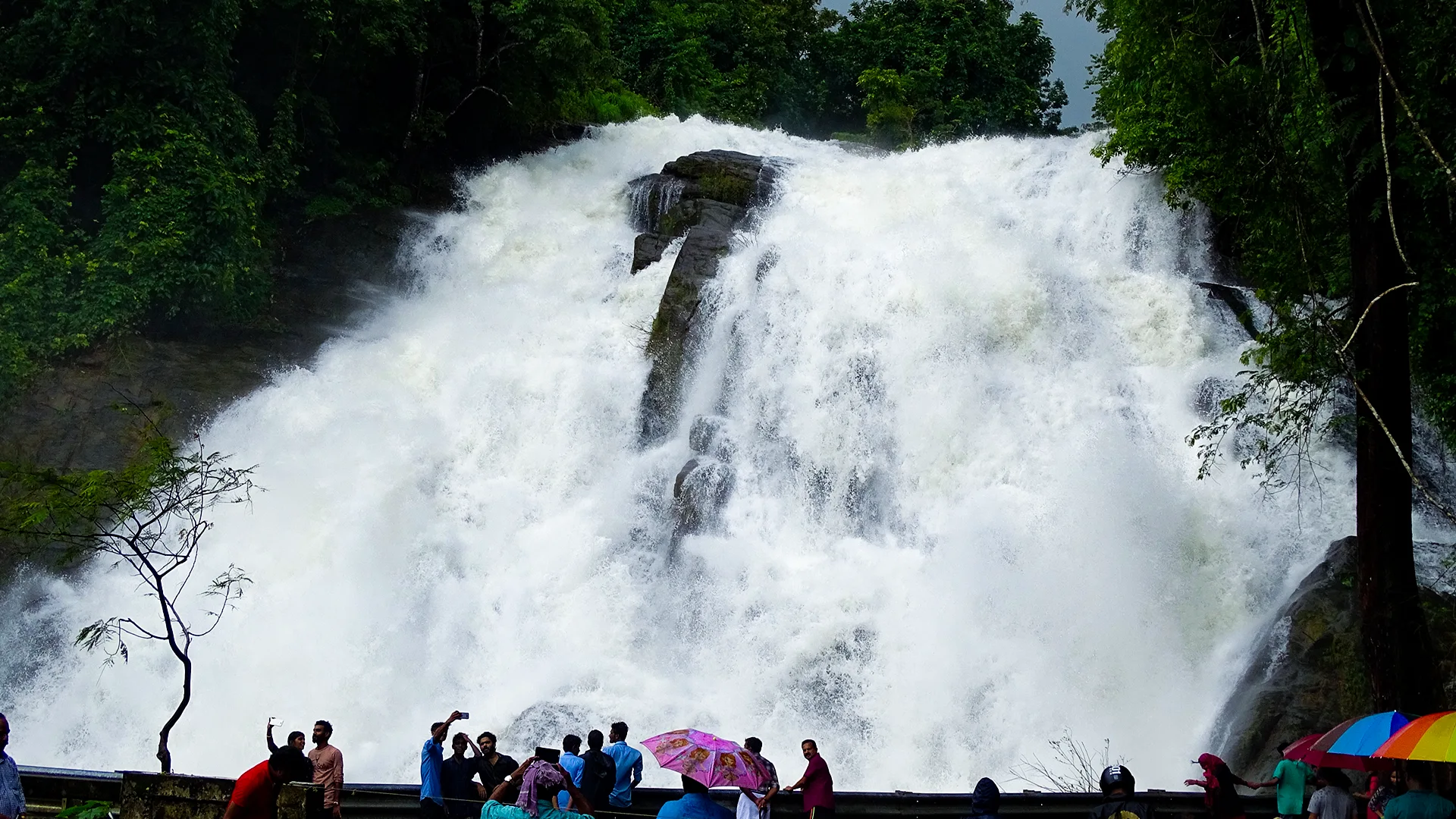
Charpa Falls is a scenic seasonal waterfall located along the road from Chalakudy to Athirappilly, about 5 km before the main falls. During the monsoon months (June–September), the waterfall is at its most dramatic — a broad, multi-tiered cascade flowing over dark rocks in the middle of lush green forest.
The falls are easily visible from the road itself, making it a convenient stop on the way to Athirappilly. A short walk from the parking area leads to a closer viewpoint. The surrounding forest, alive with birdsong and the sound of rushing water, makes this a peaceful spot to linger before continuing to the bigger falls.
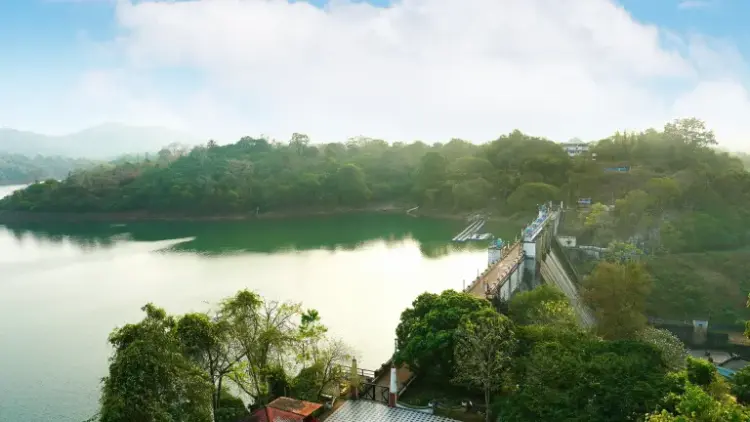
Peechi Dam & Wildlife Sanctuary
Peechi Dam is a gravity dam built across the Manali River, about 23 km from Thrissur city. The reservoir, set against forested hills, is a popular picnic and outing spot with a well-maintained garden at the dam site. The views of the water body framed by the Western Ghats are lovely, especially during and just after the monsoon when the dam overflows.
The Peechi–Vazhani Wildlife Sanctuary surrounds the reservoir — a 125 sq km forest home to elephants, leopards, spotted deer, bonnet macaques, and over 150 bird species. Short trekking trails lead through the forest from the dam area, and a watchtower offers views over the canopy. The sanctuary is easily accessible from Thrissur, making it an ideal half-day nature excursion.
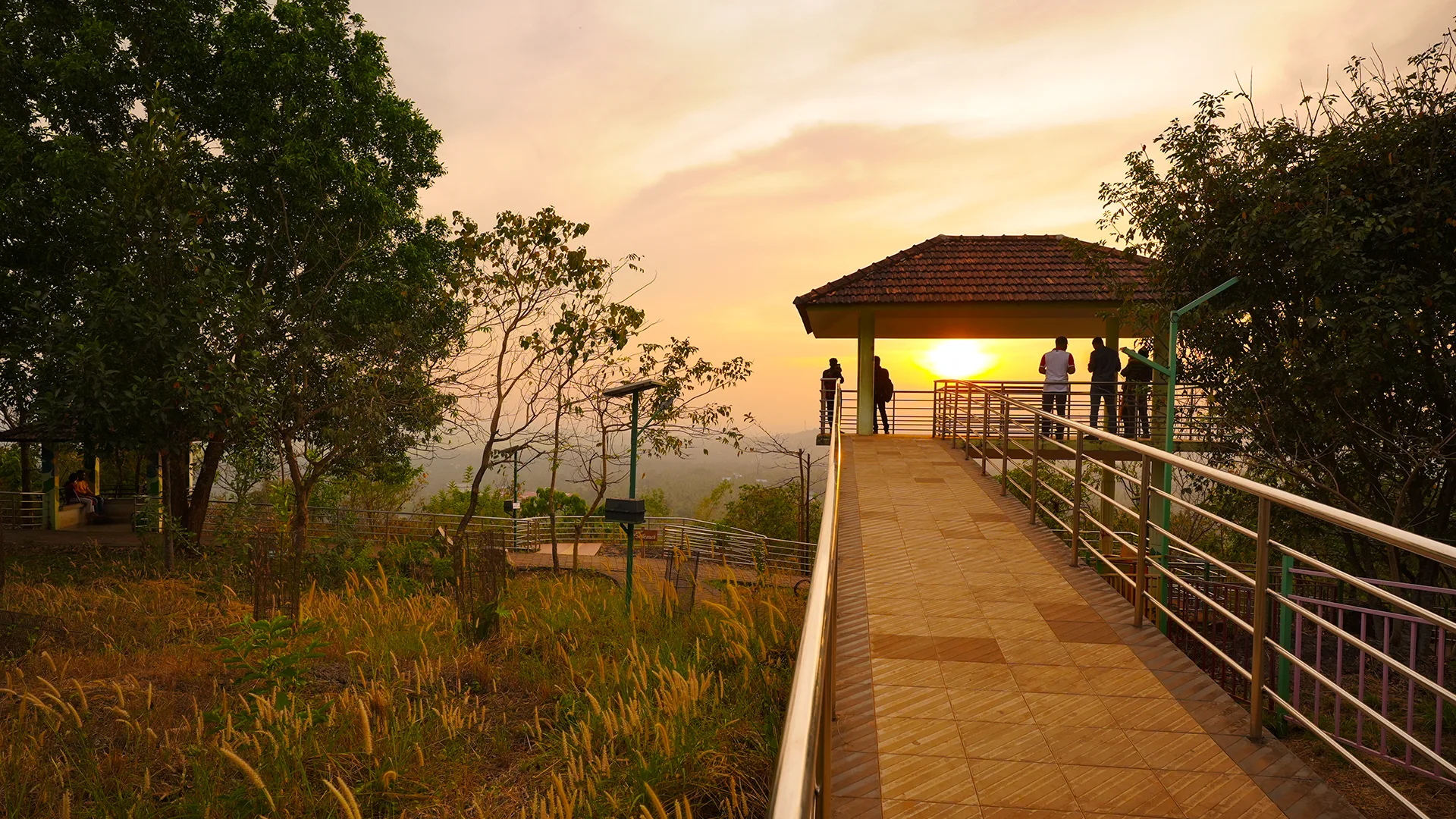
Vilangan Hills
Vilangan Hills is a low hill range on the outskirts of Thrissur city — one of the few urban hilltop trekking spots in Kerala. The short trek (about 2 km) starts from the foot of the hill near the Vilangan Kunnu viewpoint and climbs gently through laterite rock paths and scrubland to the top.
From the summit, you get a 360-degree panoramic view of Thrissur city, the surrounding paddy fields, the Western Ghats on the eastern horizon, and on clear days, even the distant glimmer of the Arabian Sea to the west. Sunrise and sunset hikes are especially popular. The Thrissur Corporation has developed the trail with steps and rest areas, making it accessible for all fitness levels.
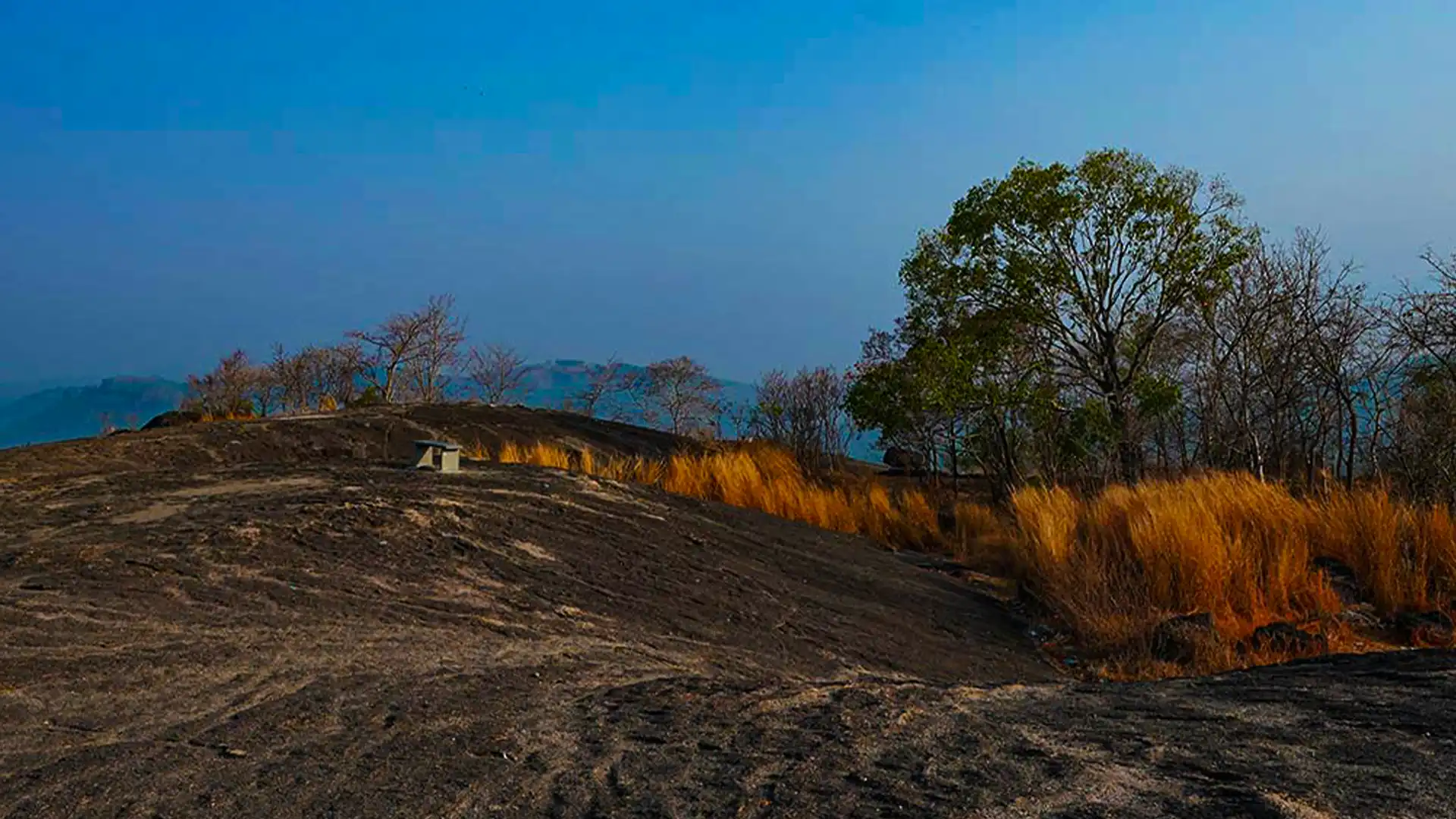
Cheppara Rock Garden
Cheppara Rock Garden is an offbeat natural attraction near Athirappilly, about 50 km from Thrissur. The site features unusual rock formations — massive boulders worn smooth by centuries of river water, creating natural slides, pools, and sculptural shapes amid the forest.
The rock formations along the stream create natural bathing pools and the smooth rock faces can be used as natural slides — a hit with visitors looking for something different from the usual waterfall experience. The surrounding forest is quiet and uncrowded, making Cheppara an ideal escape for those seeking offbeat nature spots away from the tourist trail.
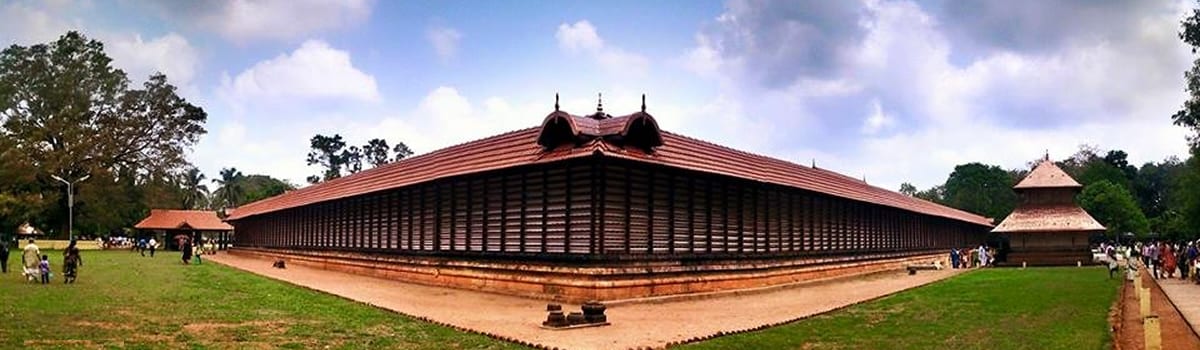
Vadakkunnathan Temple
Vadakkunnathan Temple is an ancient Shiva temple at the very heart of Thrissur city, sitting majestically atop a hillock called the Thekkinkadu Maidan (Round). Believed to have been founded by Parashurama — the mythical creator of Kerala — the temple is one of the oldest and most revered in the state, and is a protected monument under the Archaeological Survey of India.
The temple is the epicentre of the Thrissur Pooram — Kerala's grandest and most spectacular temple festival, held in April/May. During Pooram, two rival temple processions converge at the Round with caparisoned elephants, percussion ensembles (Panchavadyam and Panchari Melam), and a legendary competitive umbrella display (Kudamattam), culminating in a massive fireworks show at dawn. The temple complex features classic Kerala architecture — towering gopurams, murals, and massive teak doors.
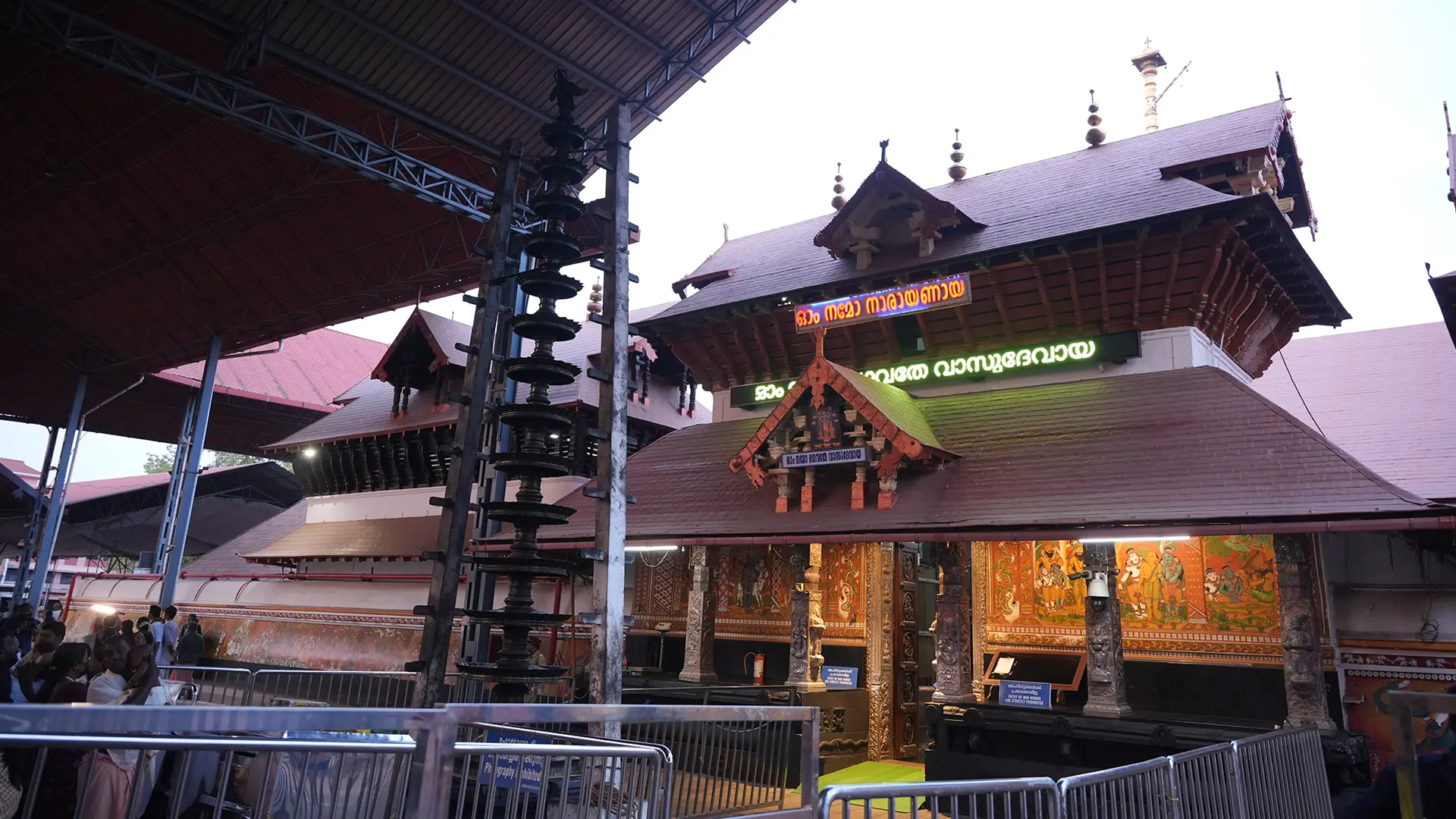
Guruvayur Sri Krishna Temple
Guruvayur Temple, about 30 km from Thrissur, is one of the most important Krishna temples in India and the most visited pilgrimage site in Kerala. The temple draws millions of devotees each year, and the presiding deity — Guruvayurappan (Lord Krishna as a child) — is deeply venerated across South India.
The temple is believed to be over 5,000 years old, with the idol said to have been installed by Guru (Brihaspati) and Vayu (the wind god) — hence the name Guruvayur. The temple follows strict traditional rituals and dress codes. Only Hindus are permitted inside. The early morning Abhishekam (ritual bath of the idol) and the evening Deeparadhana (lamp ceremony) are the most atmospheric times to visit. The town around the temple is dotted with wedding halls — Guruvayur is Kerala's most auspicious venue for Hindu weddings.
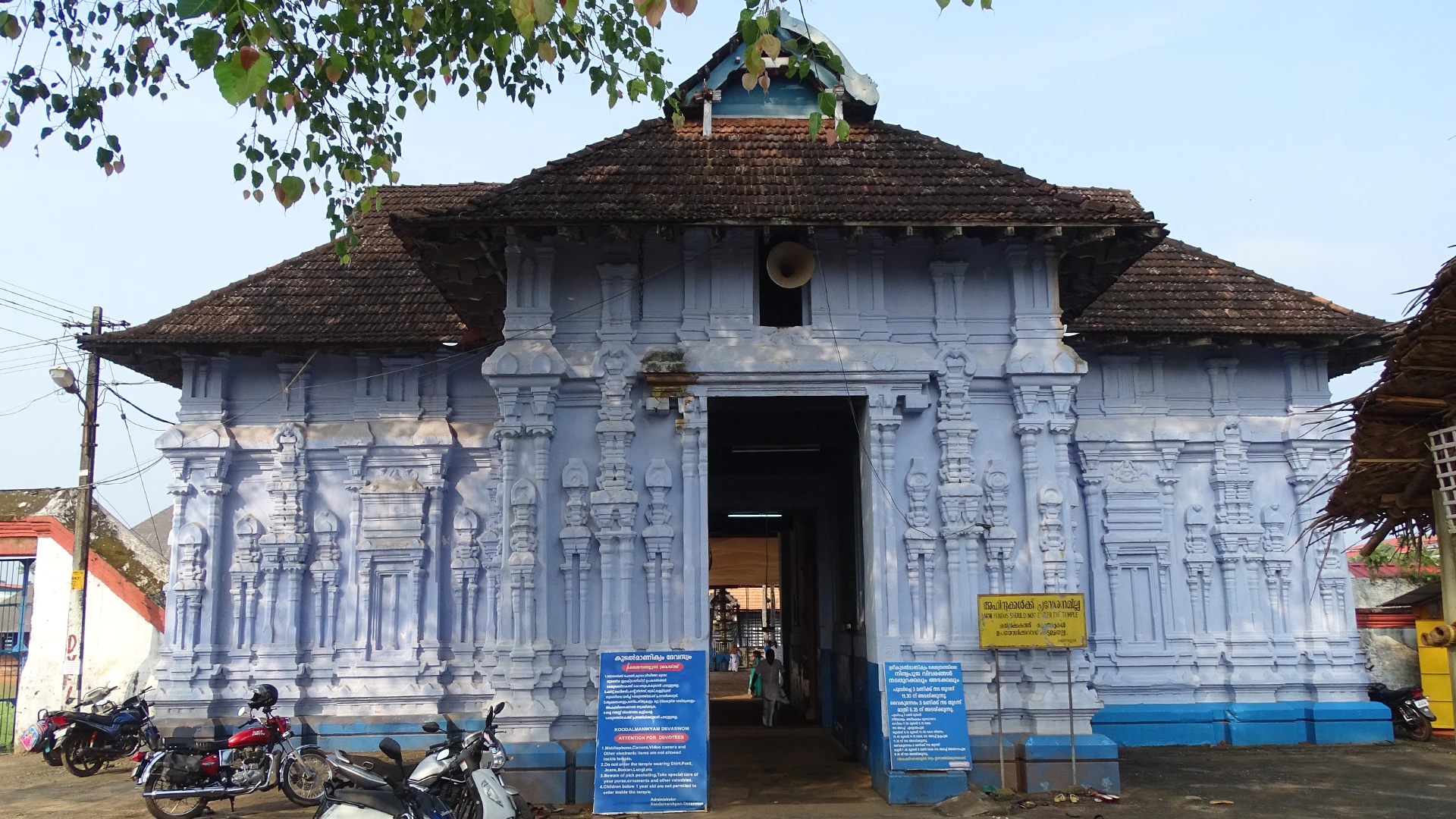
Koodalmanikyam Temple
Koodalmanikyam Temple at Irinjalakuda, about 20 km south of Thrissur, is one of the rarest temples in India — dedicated to Bharata, the brother of Lord Rama. It is believed to be the only temple in the world with Bharata as the presiding deity, making it a unique piece of Hindu heritage.
The temple is associated with the Mahabharata and Ramayana traditions and hosts the famous Koodalmanikyam Festival in March/April, featuring caparisoned elephants, traditional percussion, and the ritual art form Koodiyattam — the oldest surviving form of Sanskrit theatre, recognised by UNESCO. The temple architecture showcases classic Kerala style with a two-storey sanctum, copper-plated roofs, and carved wooden interiors.
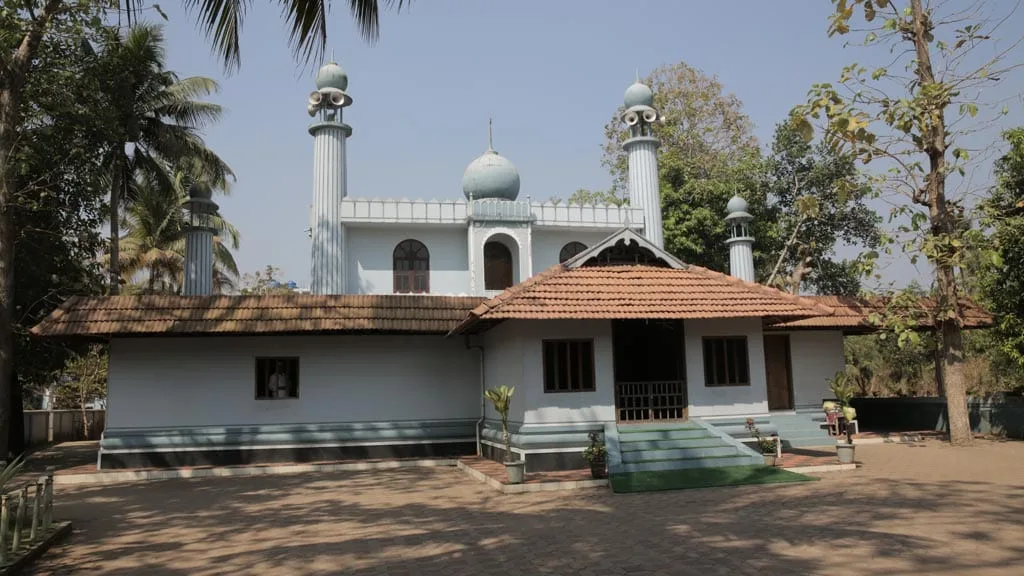
Cheraman Juma Masjid
Cheraman Juma Masjid in Kodungallur (about 35 km from Thrissur) is widely regarded as the first mosque in India, believed to have been established in 629 AD by Malik Dinar — a companion of Prophet Muhammad — at the invitation of the Chera king Cheraman Perumal, who is said to have converted to Islam after witnessing the splitting of the moon.
The mosque's architecture is unique — originally built in the traditional Kerala temple style with a gabled roof, brass oil lamps, and no dome or minaret. Renovations over the centuries have added Islamic architectural elements, but the original lamp and the ancient structure are preserved. The mosque is an extraordinary symbol of Kerala's pluralistic history and the ancient maritime connections between the Malabar coast and Arabia.
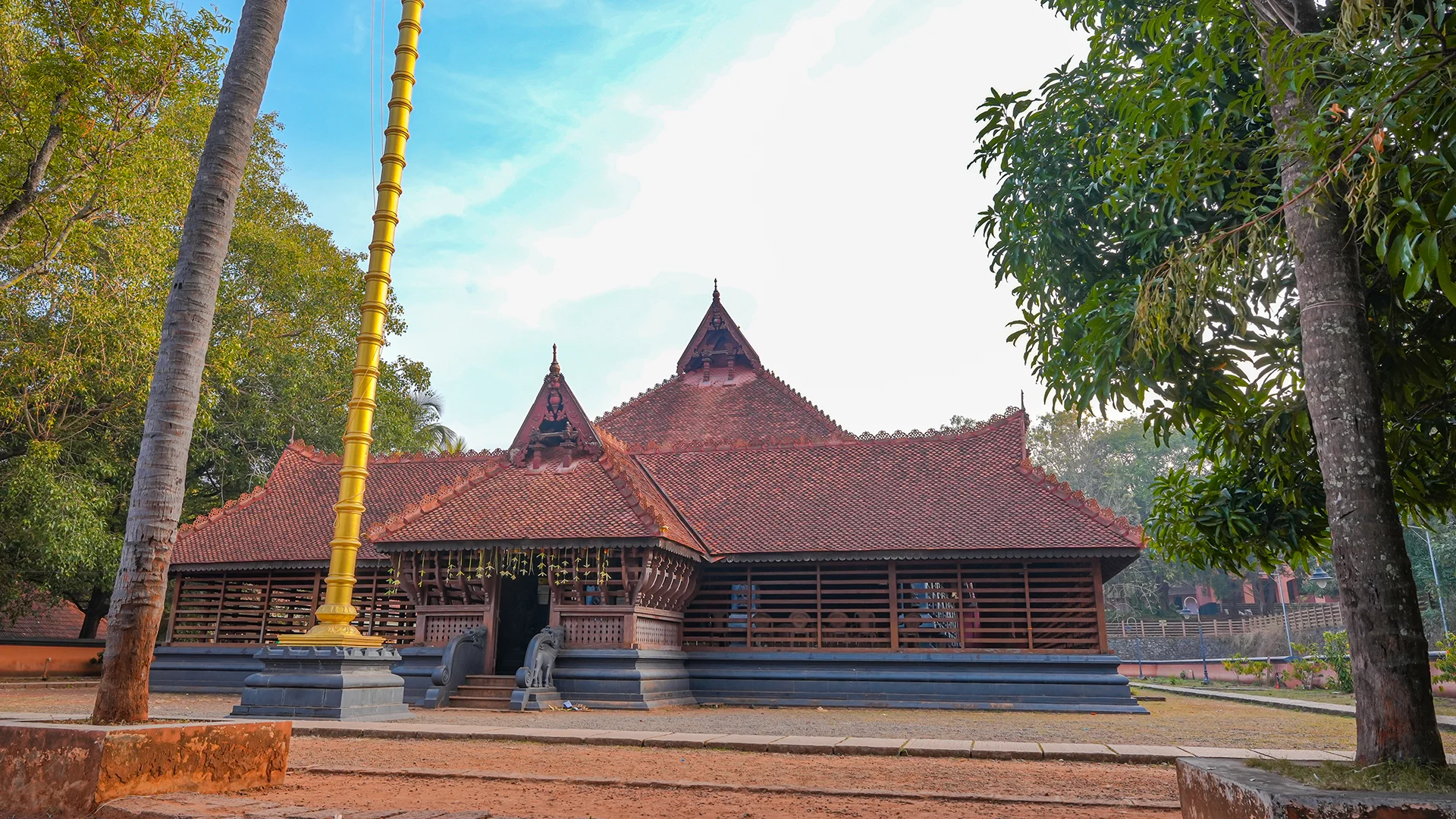
Kerala Kalamandalam
Kerala Kalamandalam, located in Cheruthuruthy on the banks of the Bharathappuzha River about 30 km north of Thrissur, is the premier institution for the study and preservation of Kerala's classical arts. Founded in 1930 by the poet Vallathol Narayana Menon, the Kalamandalam is a deemed university that trains students in Kathakali, Mohiniyattam, Koodiyattam, Thullal, Maddalam, and other traditional art forms.
The campus is set in a serene riverside grove and oozes artistic heritage. Visitors can watch morning practice sessions (prior arrangement needed) — seeing young students in the courtyard learning the elaborate facial expressions, hand gestures, and footwork of Kathakali is an unforgettable sight. The Kalamandalam also hosts regular public performances and an annual festival showcasing the best of Kerala's classical arts.
Perhaps the major attraction for a visitor at Kalamandalam would be the Koothambalam or the traditional dance theatre, which is built outside the temple complex, contradictory to the conventional method.
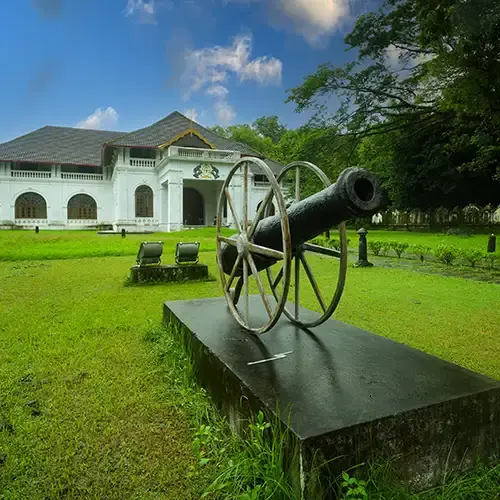
Shakthan Thampuran Palace Museum
Shakthan Thampuran Palace, located near the Vadakkunnathan Temple in the heart of Thrissur, is a restored palace that now serves as a museum chronicling the history of Thrissur and the Cochin royal family. The palace is named after Shakthan Thampuran (Rama Varma IX), the visionary ruler who transformed Thrissur into the cultural capital of Kerala in the late 18th century.
The palace blends Kerala and Dutch architectural styles — a distinctive feature that sets it apart from other royal residences in the state. The museum inside displays a collection of royal artifacts, sculptures, murals, ancient coins, inscriptions, and manuscripts. The palace grounds and the surrounding area offer a quiet retreat from the bustle of the city outside.
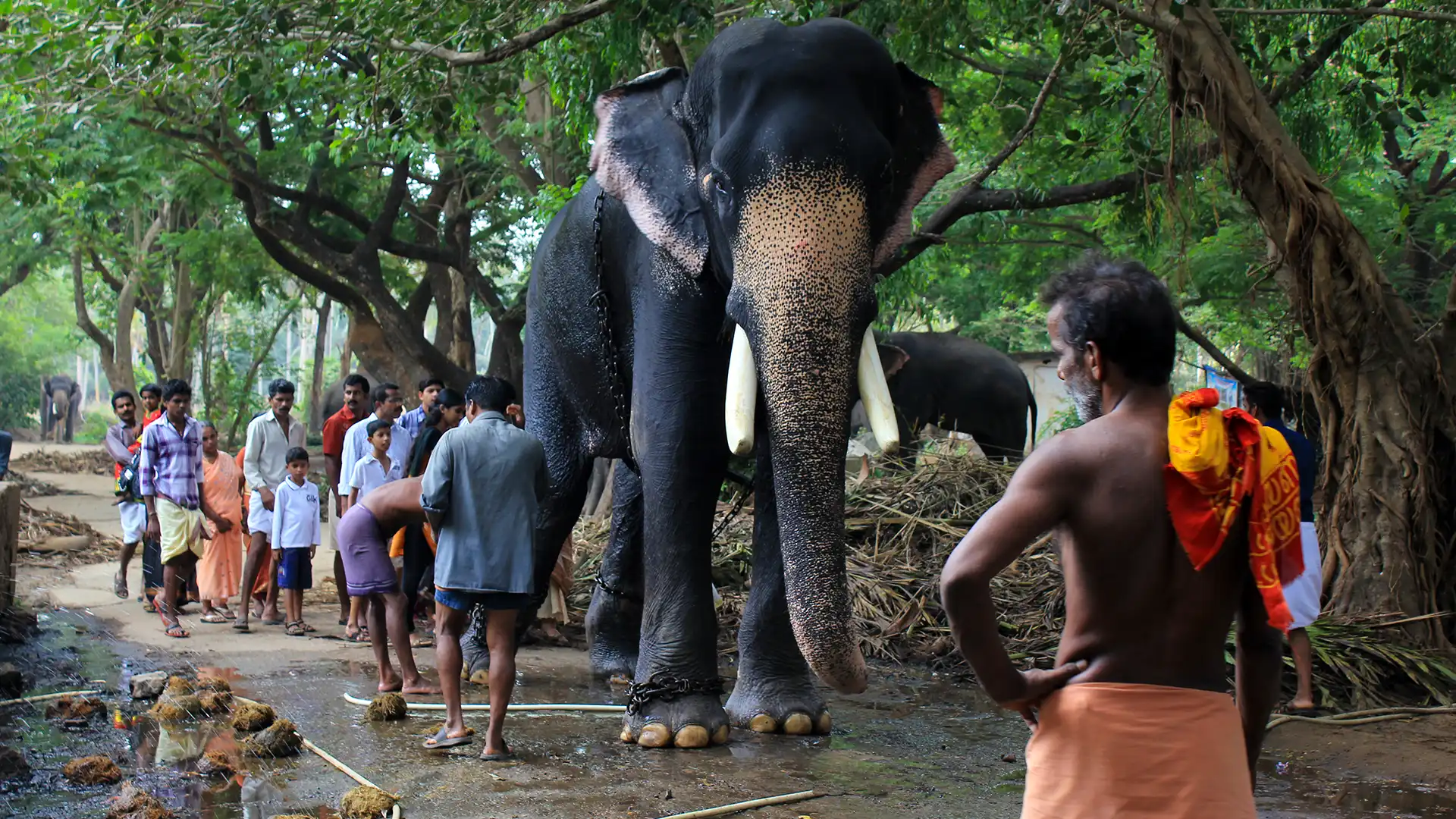
Punnathur Kotta (Elephant Sanctuary)
Punnathur Kotta, about 3 km from Guruvayur Temple, is a unique elephant sanctuary (Anakotta) maintained by the Guruvayur Devaswom. The sprawling 10-acre palace complex houses around 50–60 elephants dedicated to Sri Krishna at the Guruvayur Temple. It is the largest elephant sanctuary of its kind in India.
Visitors can watch the elephants being bathed, fed, and cared for by their mahouts. During the training season, some of the elephants practice carrying the ceremonial parasols and ornaments they wear during temple festivals. The palace building itself is a heritage structure — a former fort of the Zamorin rulers of Calicut. For animal lovers and anyone curious about the deep bond between Kerala's temples and their elephants, Punnathur Kotta is a fascinating visit.
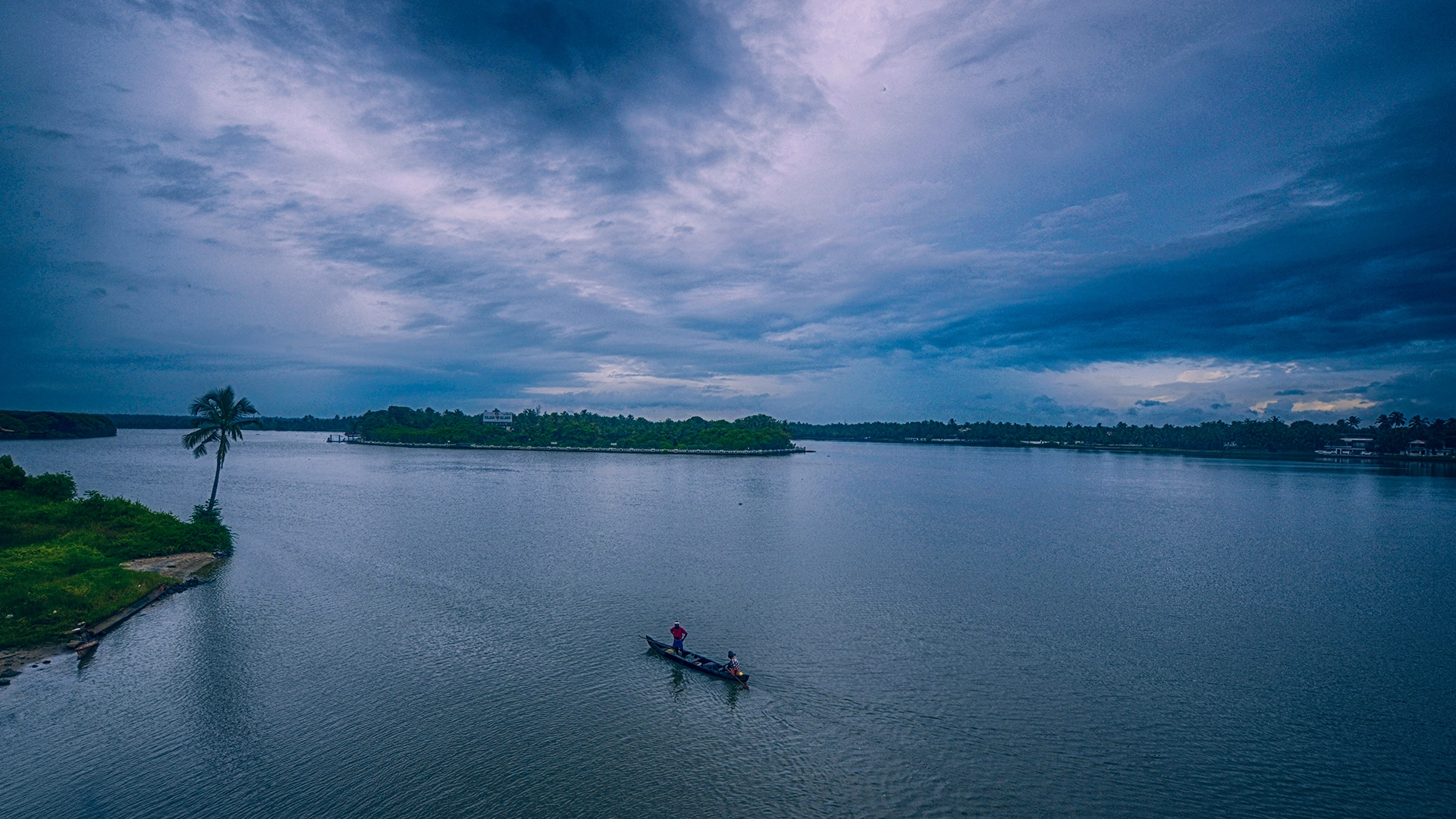
Chettuva Backwaters
Chettuva Backwaters, about 25 km west of Thrissur near the coastal town of Chavakkad, is a serene and largely untouched backwater system where the Karuvannur and Keecheri rivers meet the Arabian Sea. Unlike the crowded backwaters of Alappuzha, Chettuva offers a quiet, intimate experience — narrow canals winding through mangrove forests, coconut groves, and tiny fishing hamlets.
Houseboat cruises and canoe rides through the Chettuva backwaters are becoming increasingly popular for travellers seeking a peaceful alternative. The mangrove islands harbour rich birdlife, and the meeting point of river and sea creates a striking landscape. Fresh seafood — especially crab and prawns — can be arranged on the houseboats or at local eateries near the waterfront.
Suggested Itineraries
One Day in Thrissur
Morning: Athirappilly Falls & Vazhachal Falls → Afternoon: Vadakkunnathan Temple & Thrissur Round → Evening: Guruvayur Temple (for Hindus) or Snehatheeram Beach
2 Days in Thrissur
Day 1: Athirappilly and Vazhachal Falls, Sholayar forest · Day 2: Thrissur city — Vadakkunnathan, museums, Punnathur Kotta, Guruvayur Temple, Kerala Kalamandalam
Local Flavor
Food
Thrissur is famous for its sweet rice preparations during Pooram, Kozhikode Halwa available in local shops, and the Guruvayur temple's divine Aravana Payasam.
Festivals
Thrissur Pooram (April/May) is Kerala's most spectacular festival with 100+ caparisoned elephants, Kudamattam (umbrella ceremony), and the thunderous fireworks display at dawn.
Crafts & Traditions
Gold and jewellery — Thrissur is Kerala's gold hub. Traditional brass oil lamps, Kathakali masks, and hand-woven silk are popular crafts.
Practical Info
Kochi International Airport (COK) — about 55 km south
Thrissur Railway Station
October to May (April/May for Thrissur Pooram)