Overview
Malappuram is the cultural and historical heartland of the Malabar region. Home to the world's first teak museum in Nilambur, ancient temple towns, and the birthplace of Kerala's martial art Kalaripayattu, Malappuram offers a rich tapestry of nature, heritage, and tradition.
Top Attractions
Nilambur
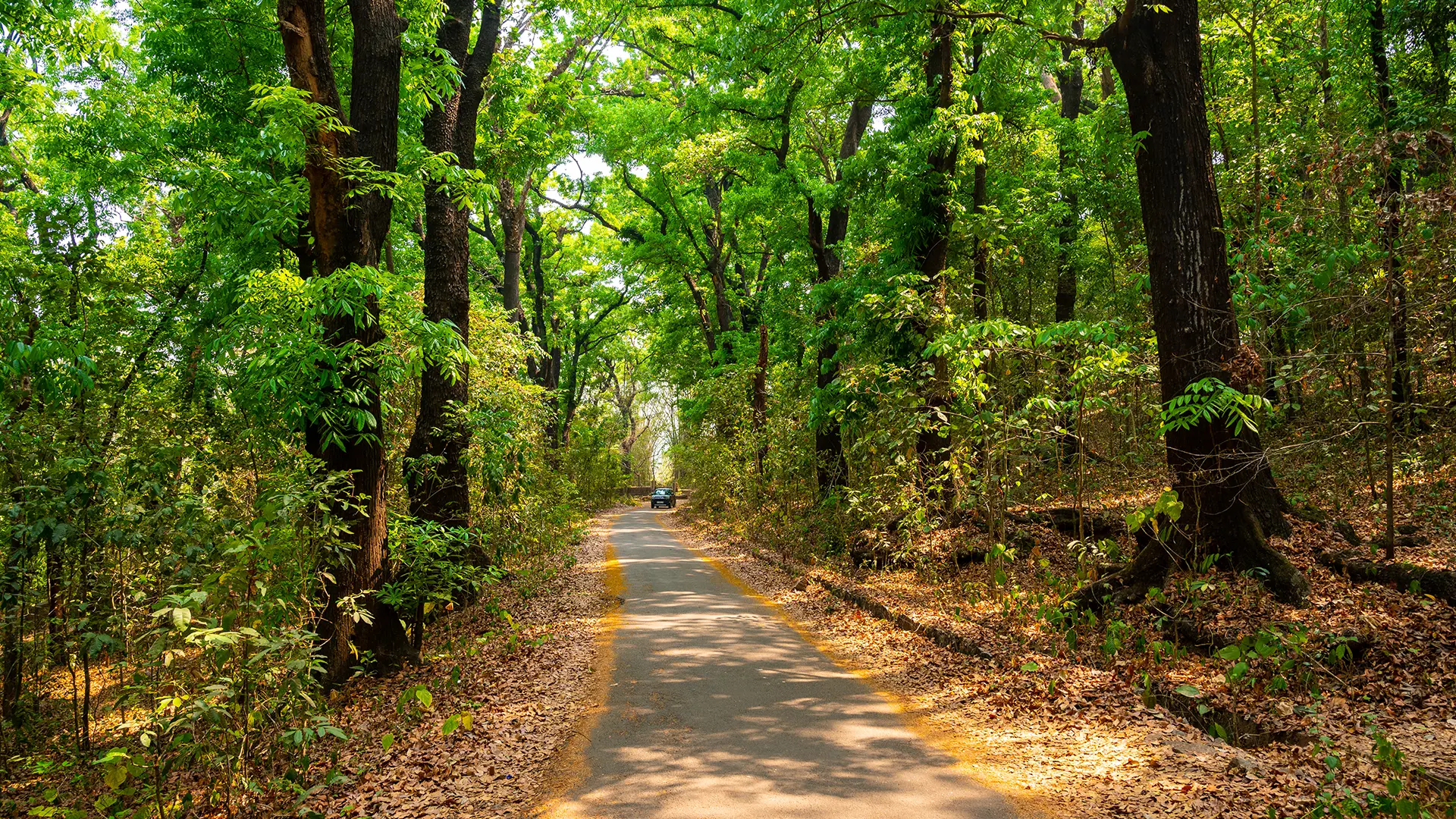
Nilambur, about 45 km from Malappuram town, is famous for its vast teak plantations — the oldest in the world, planted by the British in the 19th century. The lush Chaliyar River valley that cradles the town is one of the greenest landscapes in Kerala, with dense forests, spice gardens, and tribal settlements.
Beyond teak, Nilambur is a gateway to some of Malappuram's best nature experiences — rainforests, waterfalls, and tribal culture. The town itself has a relaxed, small-town charm, with markets selling wild honey, bamboo crafts, and local spices.
Hanging Bridge, Nilambur
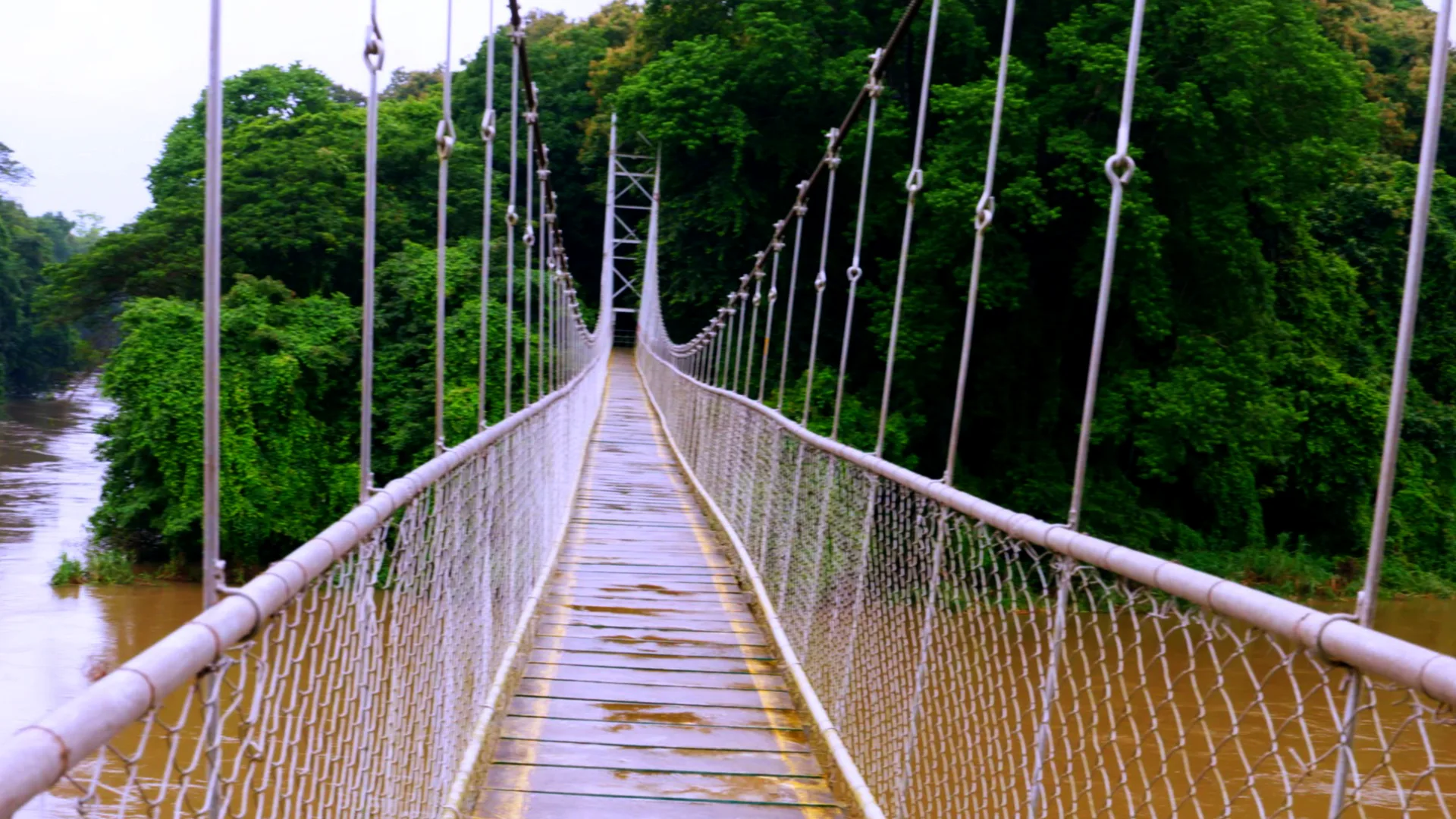
The Nilambur Hanging Bridge is a scenic suspension footbridge spanning the Chaliyar River near Nilambur town. At about 210 metres long, it sways gently as you cross, offering lovely views of the river flowing below and the dense greenery on both banks.
Originally built to connect villages on either side of the river, the bridge has become one of Malappuram's most photographed landmarks. The experience of walking across the creaking wooden and metal bridge with the river rushing underneath is both thrilling and picturesque, especially during the monsoon when the Chaliyar is in full spate.
Nedumkayam Rainforest
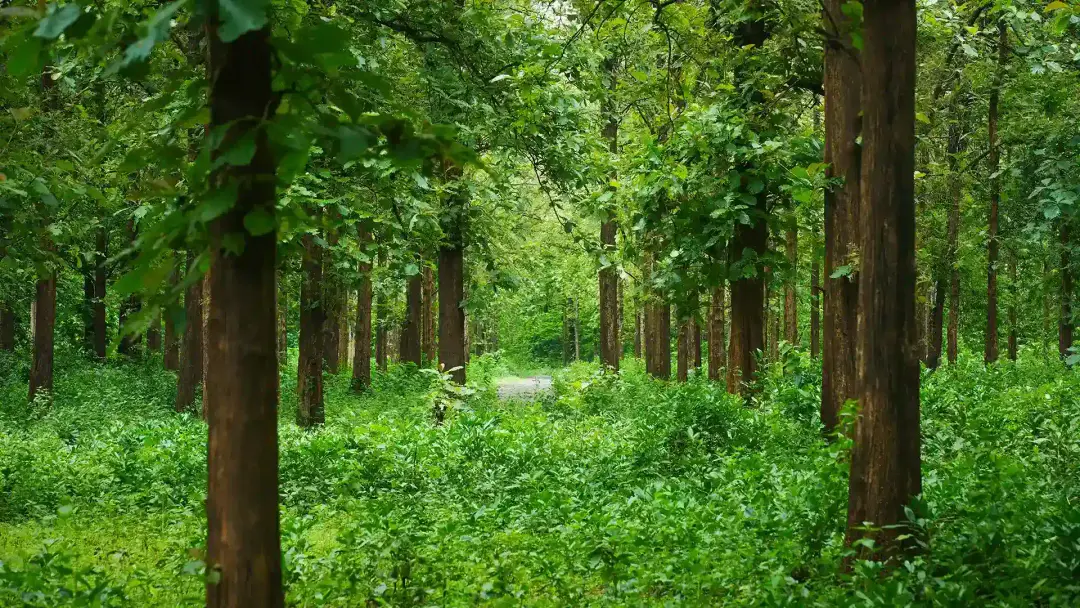
Nedumkayam is a pristine tropical rainforest about 60 km from Malappuram, near Nilambur. Managed by the Kerala Forest Department as an eco-tourism zone, it offers guided treks through dense, cathedral-like forest canopy where sunlight barely penetrates. The forest is home to elephants, bison, deer, Malabar giant squirrels, and a rich variety of birds and butterflies.
Trekking options range from short nature walks to longer trails that go deep into the forest. The sounds of the forest — birdsong, rustling leaves, distant water — create an immersive experience. Advance booking through the forest department is recommended, especially on weekends.
Adyanpara Waterfall
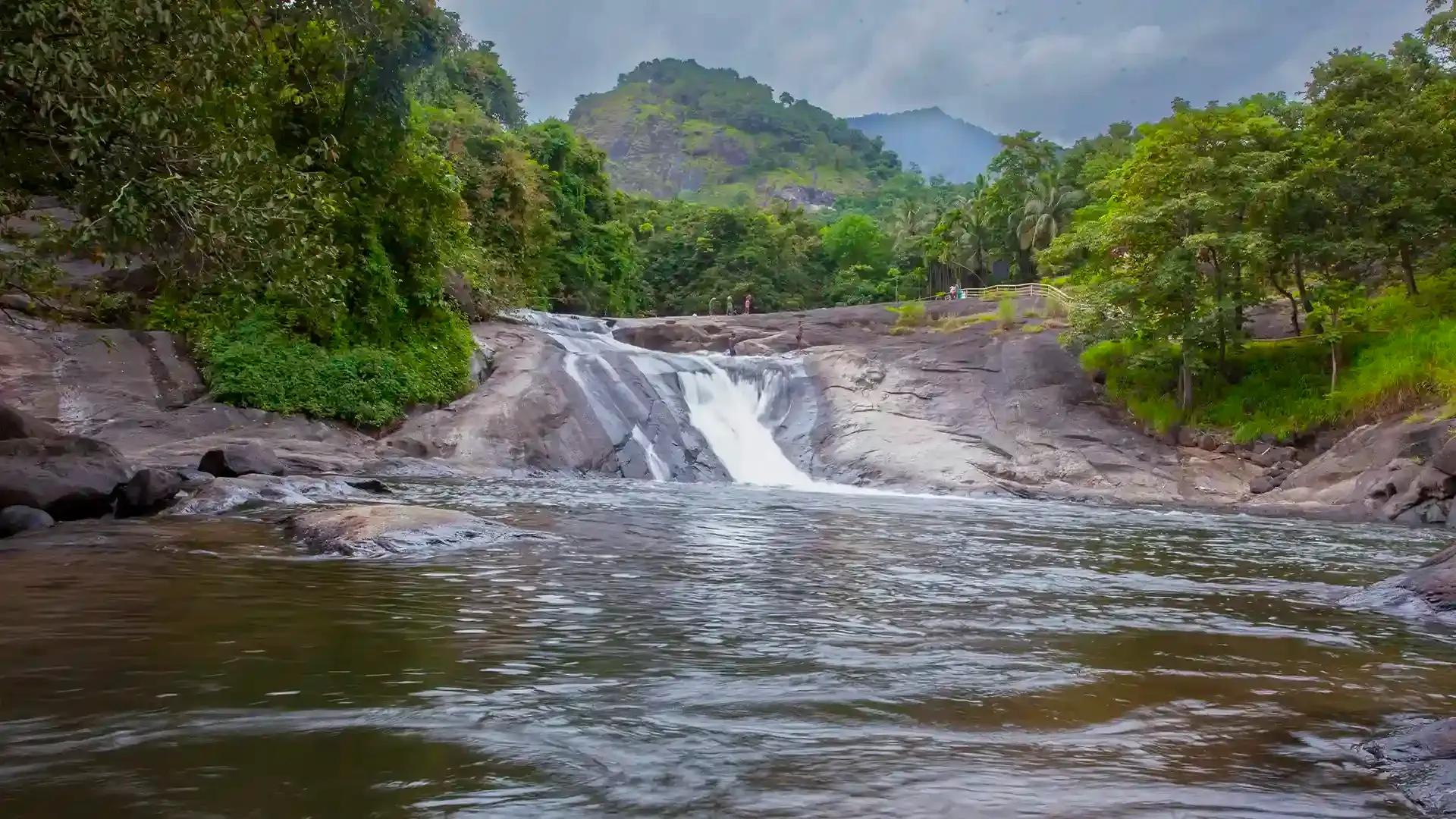
Adyanpara Falls is a picturesque waterfall near Kurumbalangode, about 45 km from Malappuram. The water cascades over rocky ledges surrounded by dense vegetation, creating a serene and photogenic setting. A well-maintained path leads from the road to the viewing area near the base of the falls.
The falls are at their most impressive during and just after the monsoon (June–September), when the water volume is highest. The surrounding area is peaceful and uncrowded — a good alternative to the more famous waterfalls in the state. It is also a popular picnic spot for locals.
Keralamkundu Waterfalls
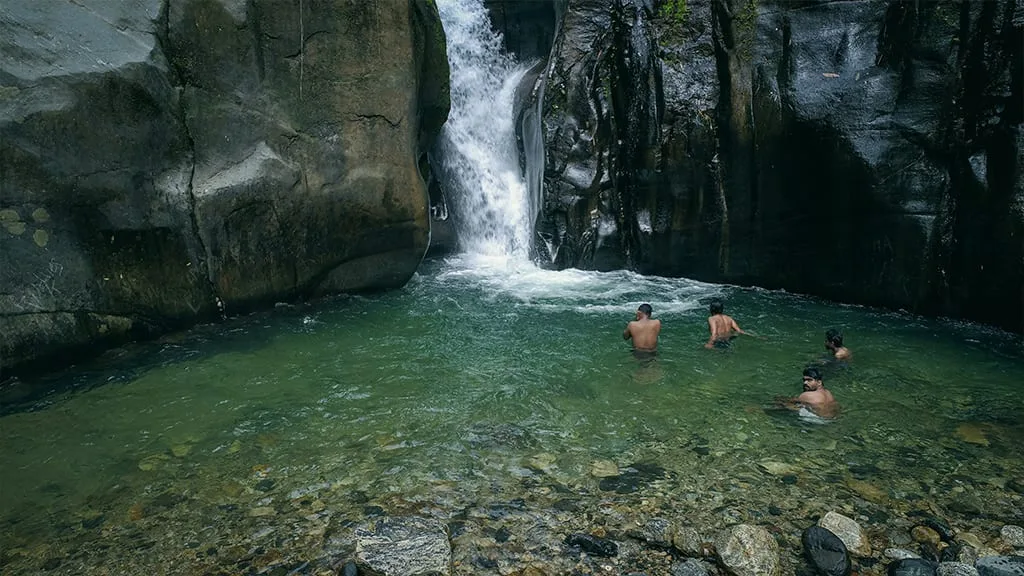
Keralamkundu (also known as Keezharkuth Falls) is a popular waterfall and trekking destination about 30 km from Malappuram. The falls drop through a rocky gorge surrounded by tropical forest, and the trek to reach them — through plantations and forest trails — is part of the appeal.
The natural rock pools at the base invite a refreshing dip. On weekends, the spot attracts local trekkers and families. The trail is moderate in difficulty and takes about 30–45 minutes one way. Best visited during or just after the monsoon season when the water flow is at its peak.
Kozhippara Waterfalls
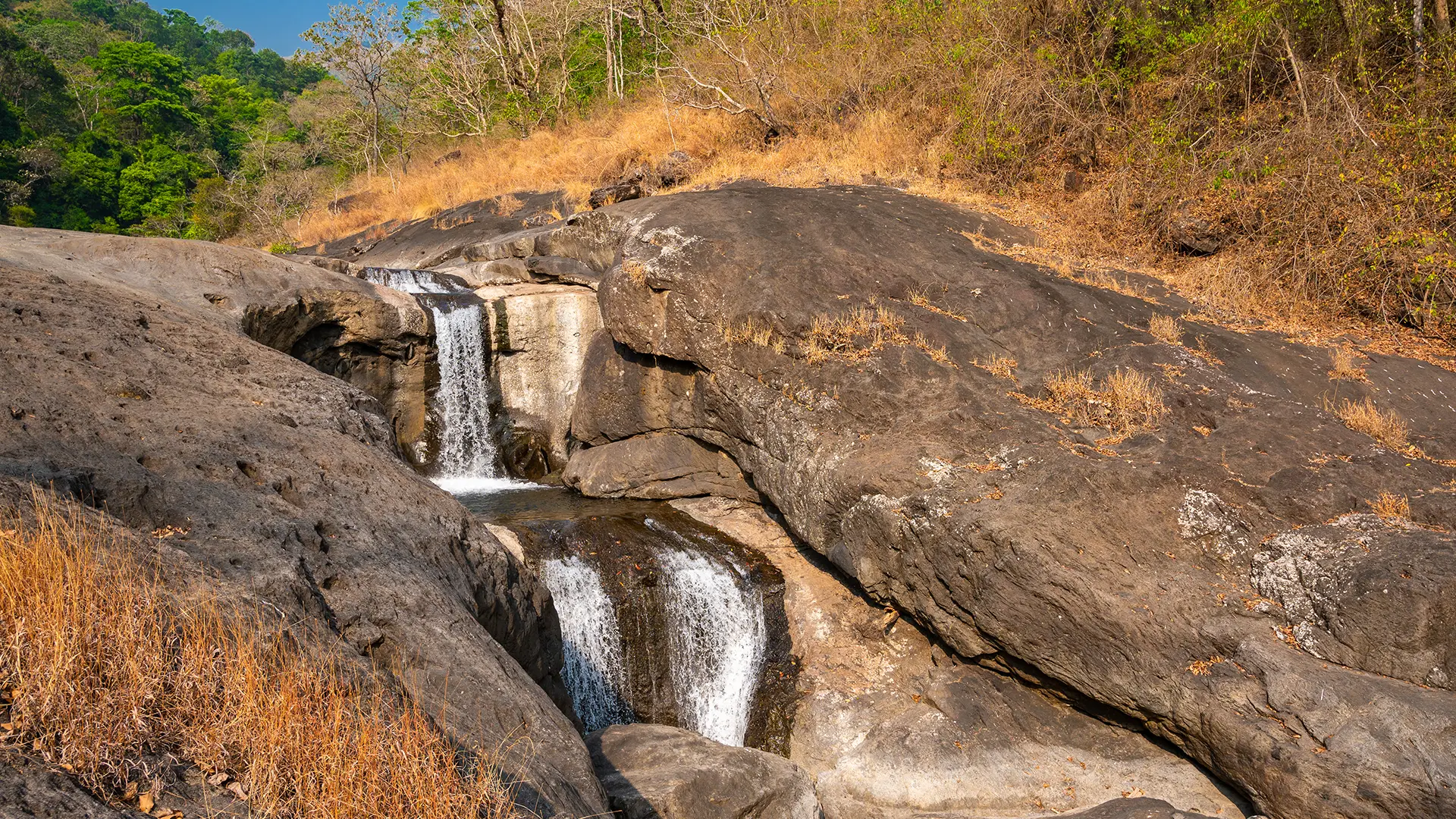
Kozhippara Falls is an offbeat, multi-tiered waterfall tucked away in the hills near the Kerala–Tamil Nadu border, about 60 km from Malappuram via Nilambur. The trek to the falls — roughly 2 km through rubber plantations and forest — rewards with a powerful cascade plunging into a rocky pool surrounded by dense green hillsides.
Far less visited than the more accessible waterfalls, Kozhippara offers a wilder, more adventurous experience. The upper tiers can be reached by scrambling over rocks, but caution is essential as the terrain is slippery. Go in a group with sturdy footwear, and avoid swimming near the falls during heavy rain.
Kodikuthimala
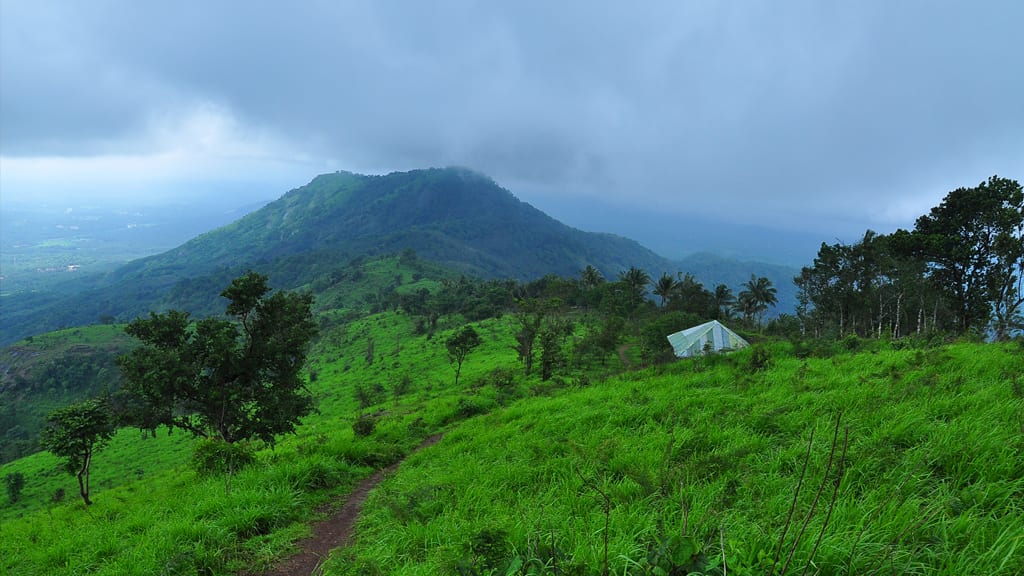
Kodikuthimala, often called the 'Ooty of Malappuram', is a hill station near Wandoor, about 40 km from Malappuram. The summit at around 1,100 metres offers sweeping views of the surrounding valleys, paddy fields, and the Western Ghats ridgeline stretching into the distance.
The trek to the top passes through tea and rubber plantations before entering grassland and scrub. On clear days, the panoramic view from the summit is breathtaking. Sunrise treks are particularly popular. The area is being gradually developed for eco-tourism, but retains a quiet, undiscovered feel.
Teak Museum, Nilambur
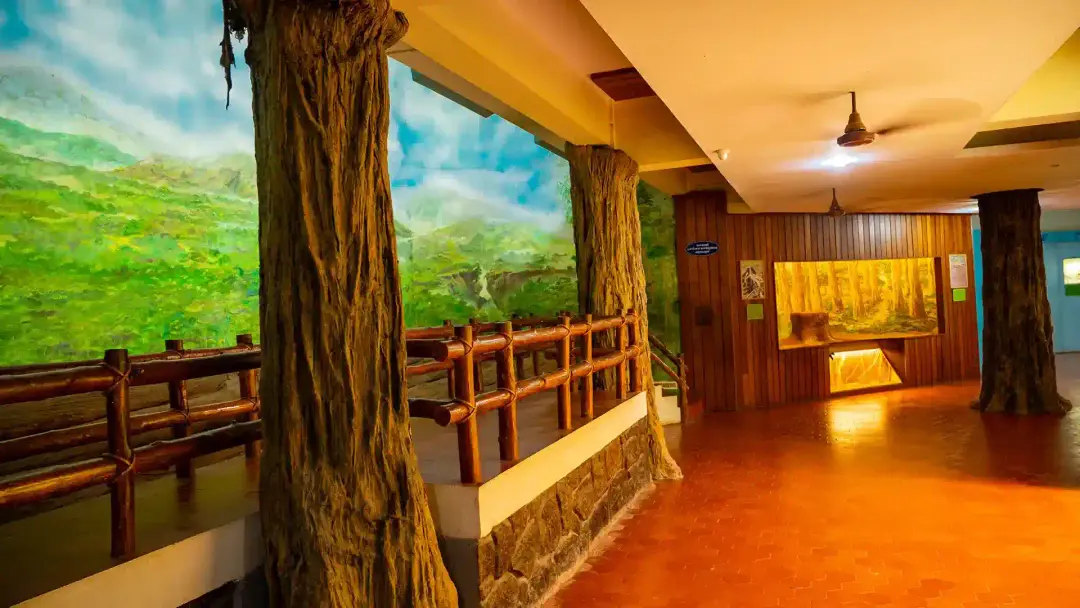
The Nilambur Teak Museum, located at the Connolly's Plot teak plantation, is India's first and only teak museum. Established to showcase the history, cultivation, and uses of teak — the 'king of timbers' — it documents the story of the Nilambur teak plantations from the 1840s to the present.
Exhibits include cross-sections of centuries-old teak trunks showing growth rings, traditional woodworking tools, carved furniture, and information about the ecology of teak forests. The museum sits within the historic Connolly's Plot, believed to be the oldest teak plantation in the world, with some trees dating back to 1844. A walk through the towering plantation after the museum visit is highly recommended.
Arya Vaidya Sala, Kottakkal
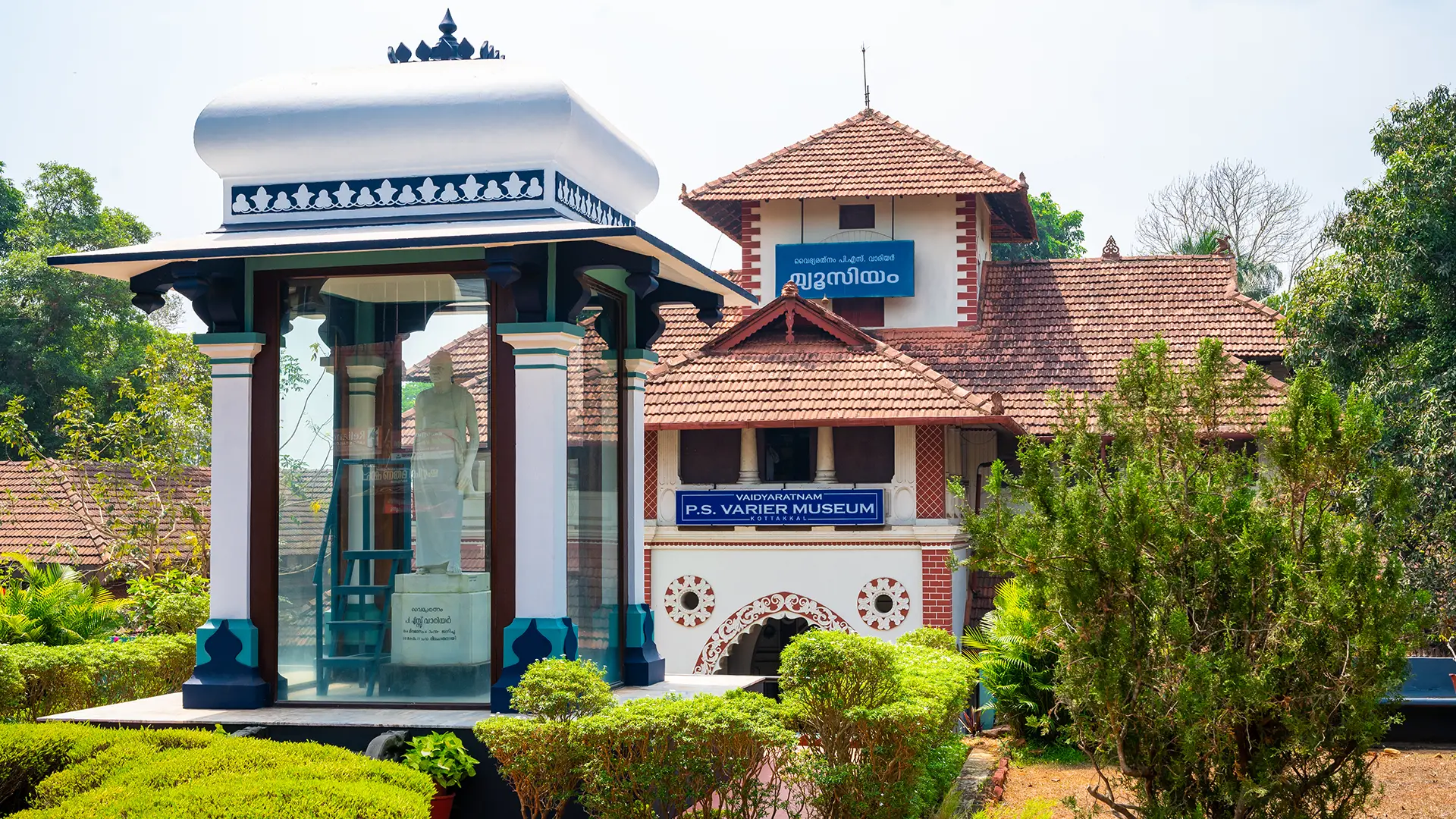
Arya Vaidya Sala (AVS) in Kottakkal, about 20 km from Malappuram, is one of the world's most renowned Ayurvedic institutions, founded in 1902 by Vaidyaratnam P.S. Warrier. For over a century, it has been a centre of excellence in traditional Ayurvedic medicine, combining authentic treatments with modern research and manufacturing.
The campus includes a treatment hospital, a vast herbal garden with over 800 medicinal plant species, a research centre, and a manufacturing unit producing classical Ayurvedic medicines. Visitors can tour the herbal garden and museum to learn about the Ayurvedic pharmacopoeia. Treatments and Panchakarma therapies are available with advance booking. Kottakkal itself has become synonymous with Ayurveda worldwide.
Kadampuzha Devi Temple
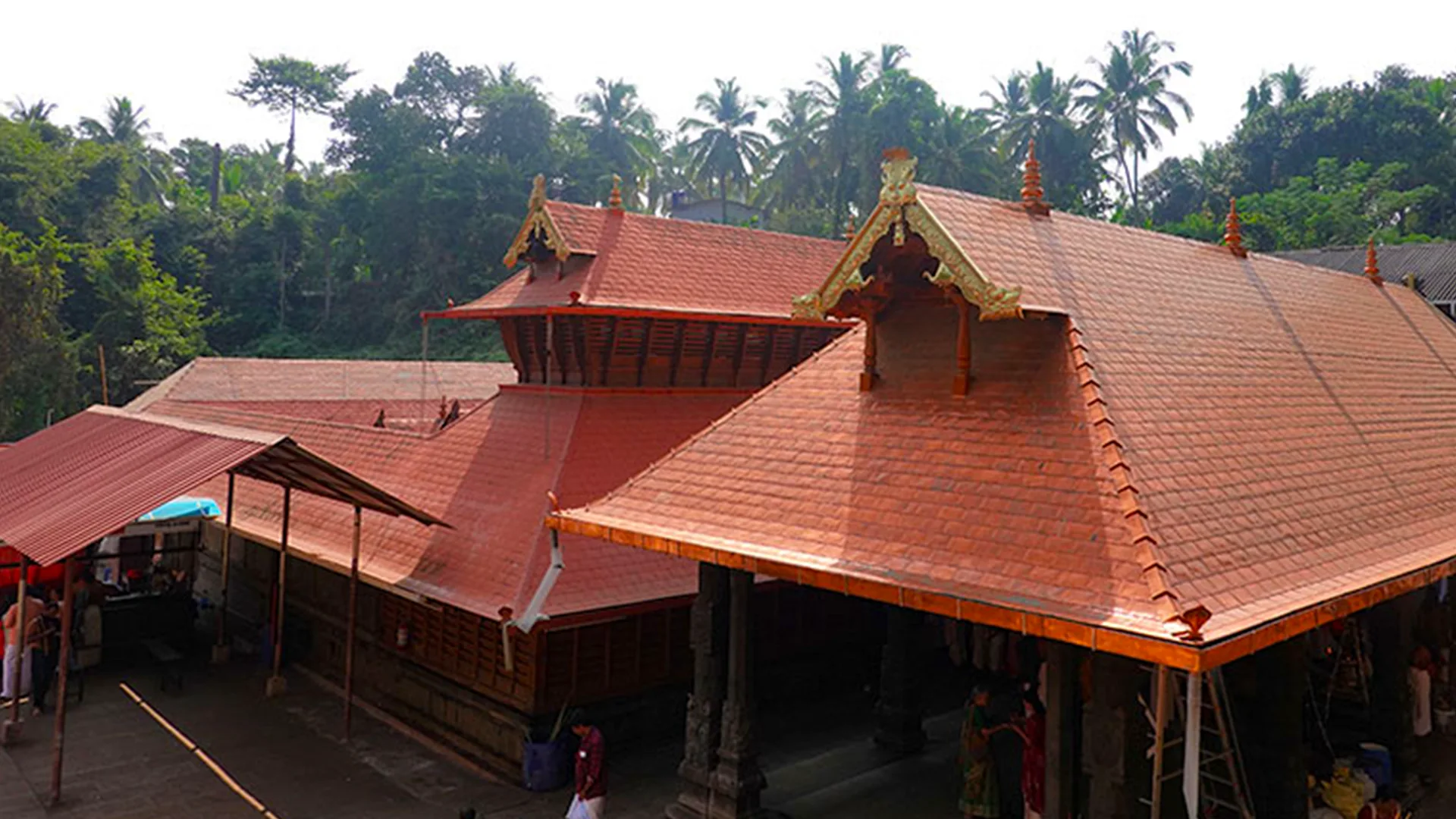
Kadampuzha Bhagavathy Temple, about 12 km from Malappuram town, is one of the most famous Bhagavathi (Devi) temples in Kerala. Uniquely, the deity here has no idol — worship is directed at a sacred spot beneath a tree on the riverbank, believed to be where the goddess manifested.
The temple is especially known for granting wishes related to marriage, and devotees from across Kerala visit to offer prayers. The annual festival draws large crowds with traditional rituals, elephant processions, and folk performances. The serene riverside setting adds to the temple's spiritual atmosphere.
Thirunavaya Navamukunda Temple
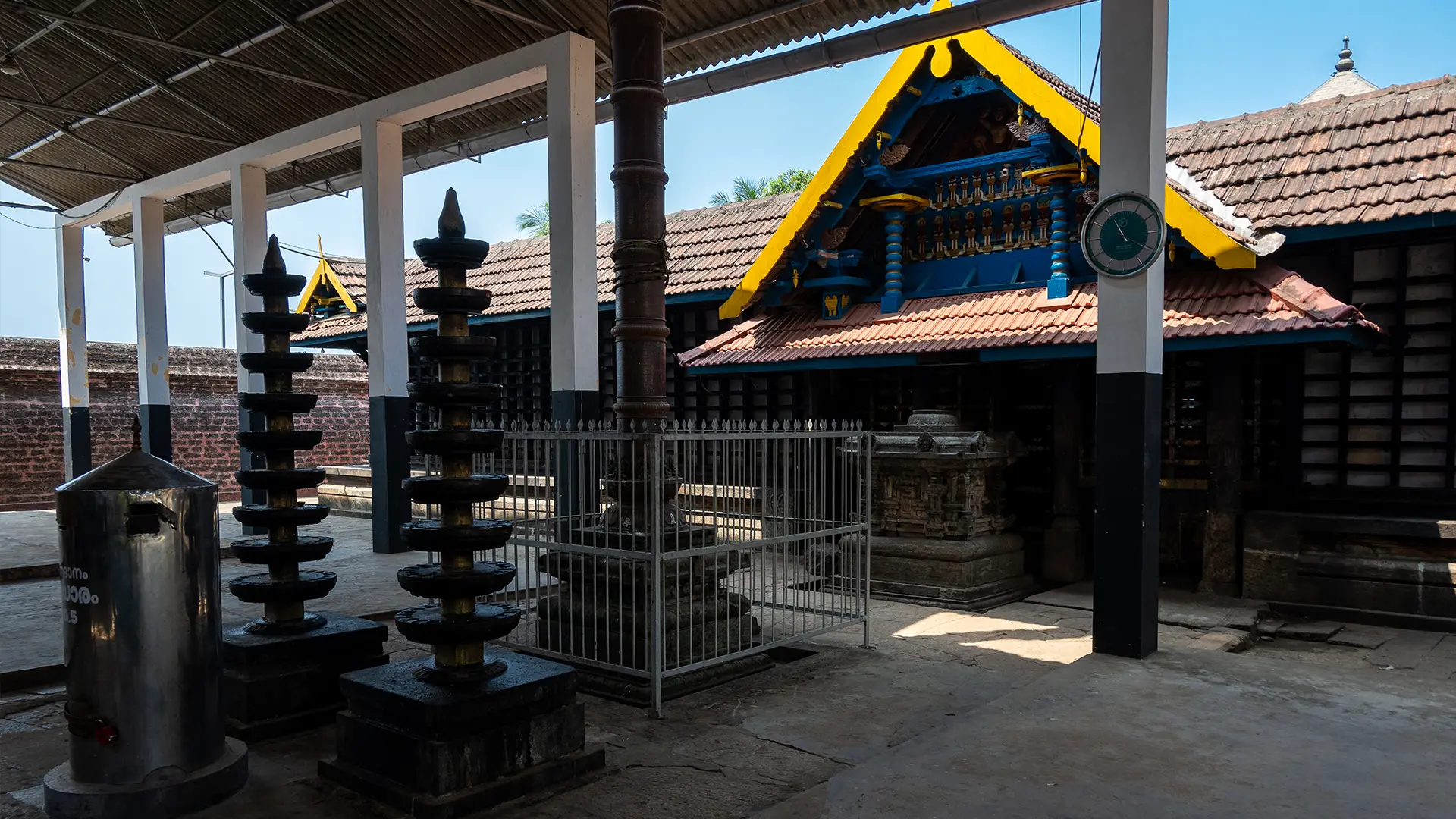
Thirunavaya Navamukunda Temple is an ancient Vishnu temple on the banks of the Bharathapuzha (Nila) river, about 30 km from Malappuram. It is historically significant as the site of the legendary Mamankam festival — a grand assembly of warriors and chieftains held every 12 years from the 9th to the 17th century, often described as the largest gathering in medieval Kerala.
The temple architecture is classic Kerala — sloping tiled roofs, carved wooden pillars, and a serene riverside setting. The sandbanks of the Bharathapuzha near the temple are atmospheric, especially in the evening. The area holds deep cultural significance in Kerala's literary and martial history.
Trikandiyur Shiva Temple
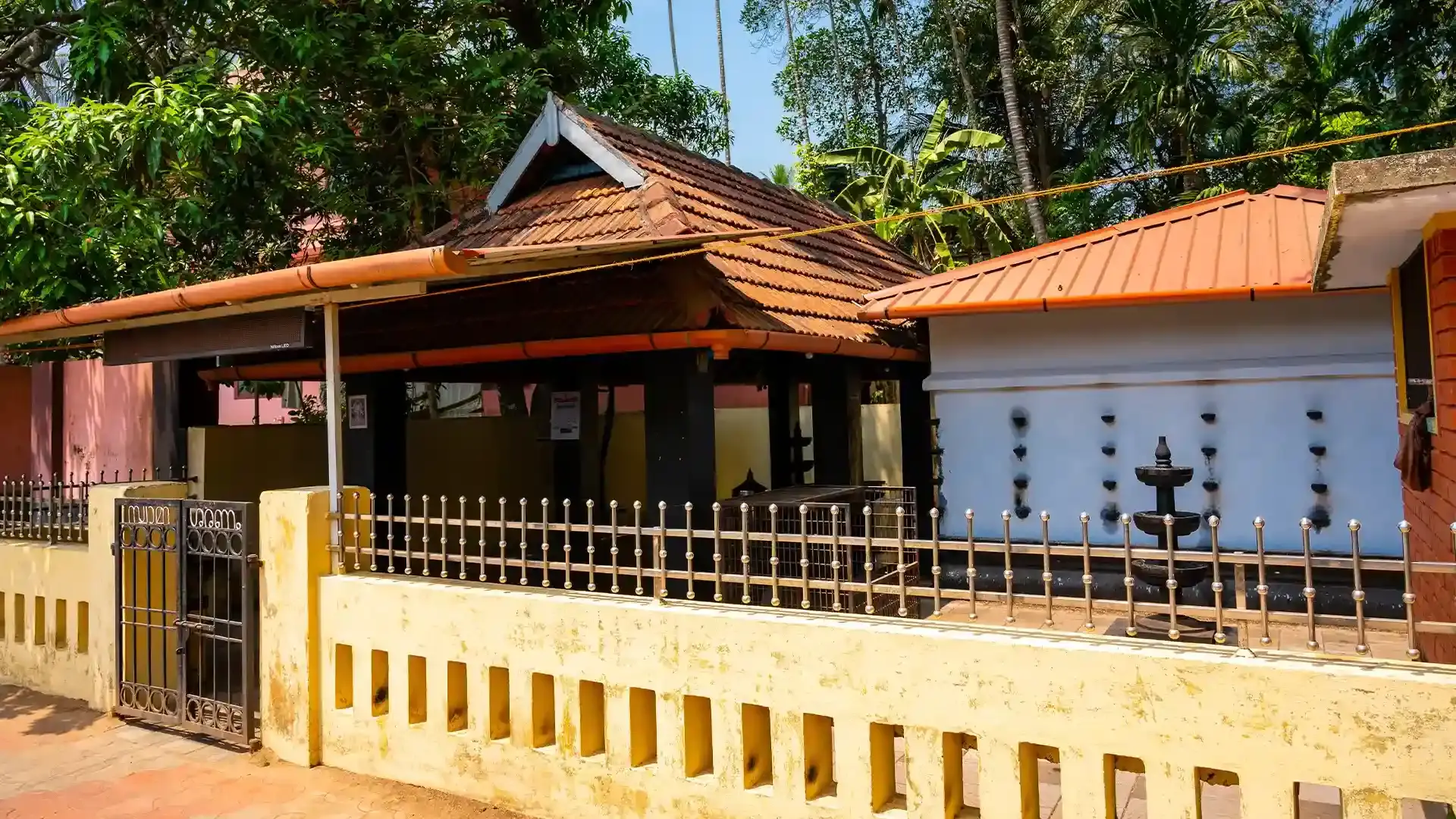
Trikandiyur Mahadeva Temple is an ancient Shiva temple near Tirur, about 35 km from Malappuram. The temple is believed to be over 1,000 years old and features classic Kerala temple architecture with a beautiful sreekovil (sanctum), carved wooden railings, and a large temple tank.
The temple is also historically linked to the great Malayalam poet Thunchath Ezhuthachan (the 'father of Malayalam'), who is said to have had connections to the area. The annual Shivaratri celebrations here are notable. The quiet, ancient atmosphere of the temple makes it a worthwhile stop for heritage enthusiasts.
Pazhayangadi Mosque
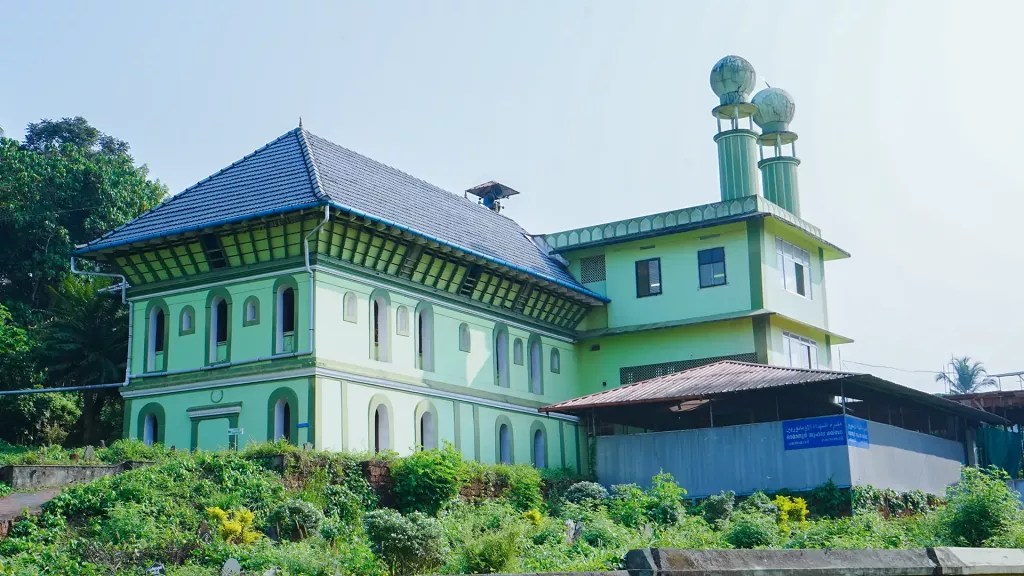
Pazhayangadi Mosque (also known as the Old Juma Masjid) in Malappuram town is one of the oldest and most historically significant mosques in the region. The mosque has been a centre of Islamic scholarship and community life for centuries, reflecting the deep-rooted Muslim heritage of the Malabar region.
The architecture combines traditional Kerala and Islamic elements — a sloping tiled roof, carved wooden interiors, and a serene prayer hall. The surrounding old town area retains its historic character with narrow lanes and traditional shops. It is an important cultural landmark that speaks to Malappuram's diverse religious heritage.
Padinjarekkara Beach
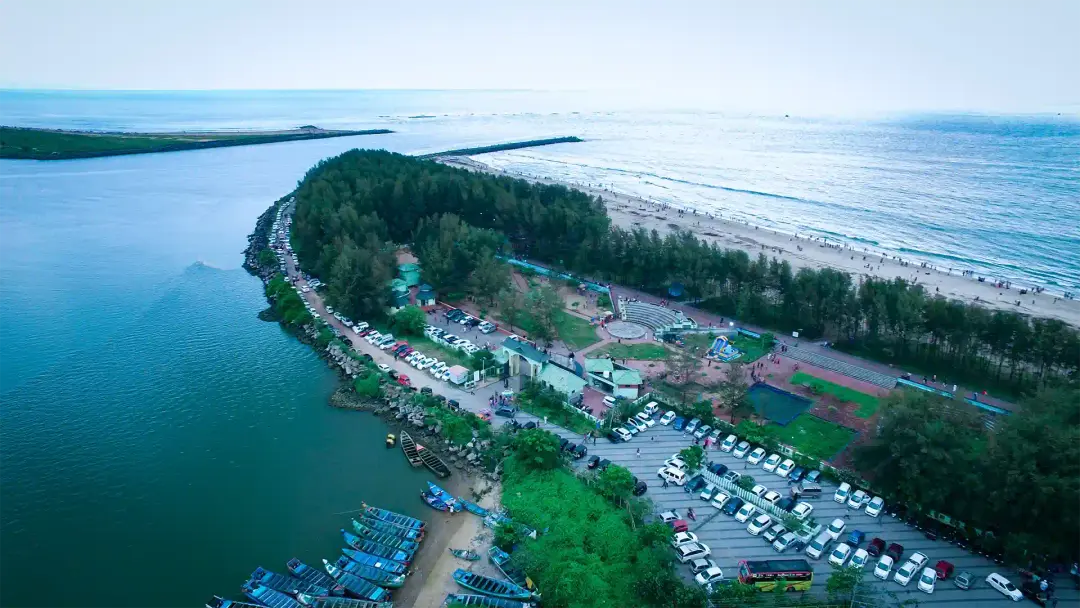
Padinjarekkara Beach is a scenic and relatively unspoiled beach at the confluence of the Bharathapuzha (Nila river), the Tirur River, and the Arabian Sea — near Ponnani, about 50 km from Malappuram. The meeting of river and sea creates a dramatic landscape of shifting sandbars, tidal channels, and wide open skies.
The beach is less commercialised than Kerala's more famous coastal spots, making it ideal for quiet walks, watching fishing boats, and enjoying spectacular sunsets. The nearby town of Ponnani itself has a rich maritime history — it was once a major port of the Zamorin and a centre of Islamic learning. The Ponnani Juma Masjid, one of Kerala's oldest mosques, is worth a visit on the way.
Biyyam Kayal Backwaters
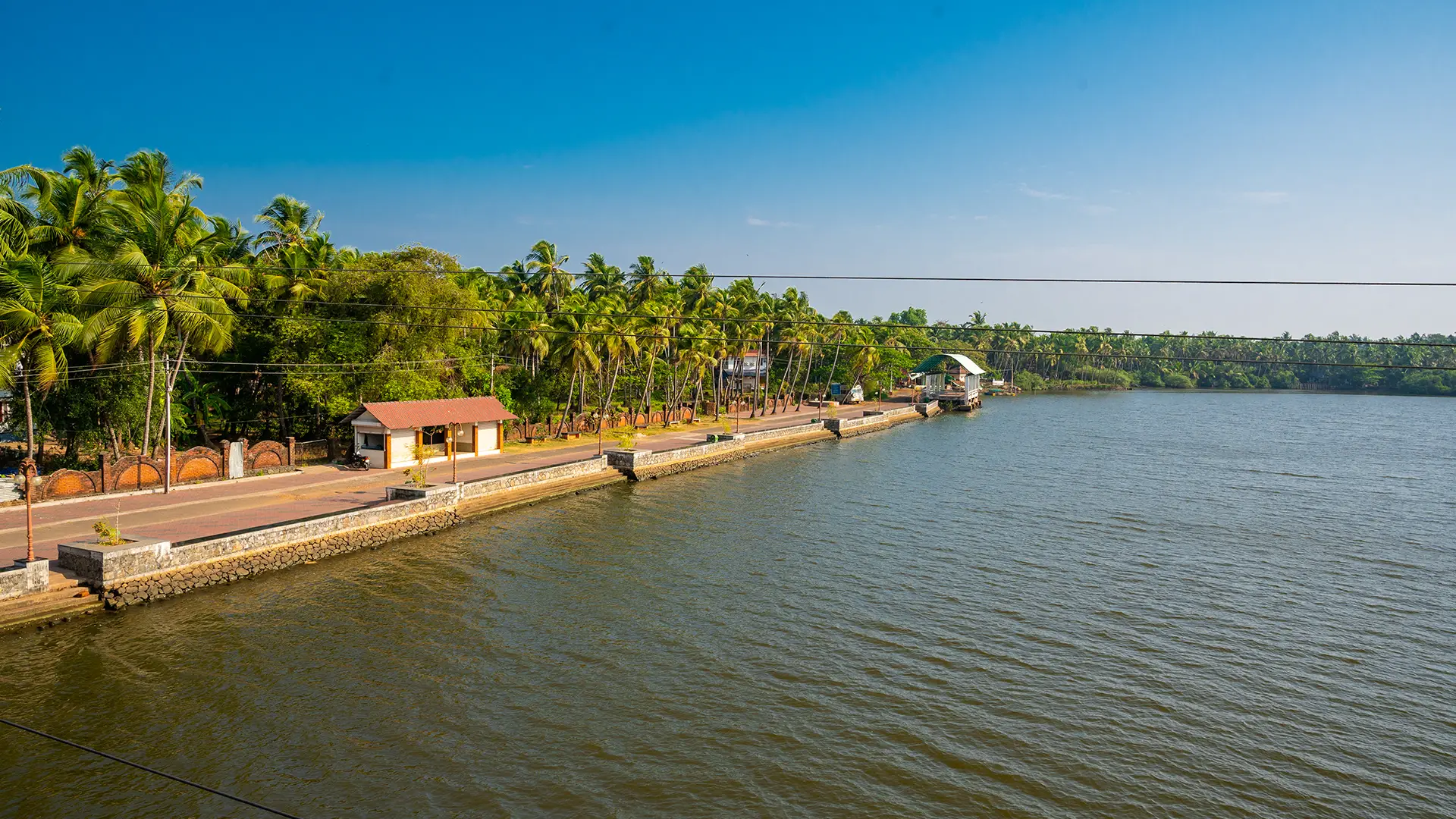
Biyyam Kayal is a tranquil brackish-water lake near Kuttippuram, about 40 km from Malappuram. Unlike the more famous backwaters of Alappuzha and Kumarakom, Biyyam Kayal offers an undiscovered, crowd-free backwater experience with migratory birds, coconut palms reflected in still water, and local fishing activity.
Kayaking and canoeing on the lake are gaining popularity, and the sunrise and sunset views over the water are serene. It is an excellent spot for birdwatchers, particularly between October and March when migratory species arrive. A hidden gem for those looking for a peaceful alternative to the crowded southern backwaters.
Suggested Itineraries
One Day in Malappuram
Morning: Nilambur Teak Museum & Hanging Bridge → Afternoon: Adyanpara Falls → Evening: Kottakkunnu hilltop park
2–3 Days in Malappuram
Day 1: Nilambur — Teak Museum, Hanging Bridge, Nedumkayam forest · Day 2: Thirunavaya temple, Biyyam Lake, Tirur town · Day 3: Kodikuthimala trek, Kottakkunnu, local food trail
Local Flavor
Food
Malappuram is the undisputed capital of Malabar cuisine — Pathiri (rice bread), Malabar Biriyani (with Kaima rice), Unnakkaya (stuffed banana fritters), and Kallummakkaya (mussel fry) are iconic.
Festivals
Nercha festivals at the many mosques feature grand feasts, traditional art forms, and community gatherings. The Tirur Vela at Thirunavaya is a major temple festival.
Crafts & Traditions
Kalaripayattu (Kerala's ancient martial art) has strong roots here. Traditional wooden furniture, bell-metal vessels, and handloom weaving are notable crafts.