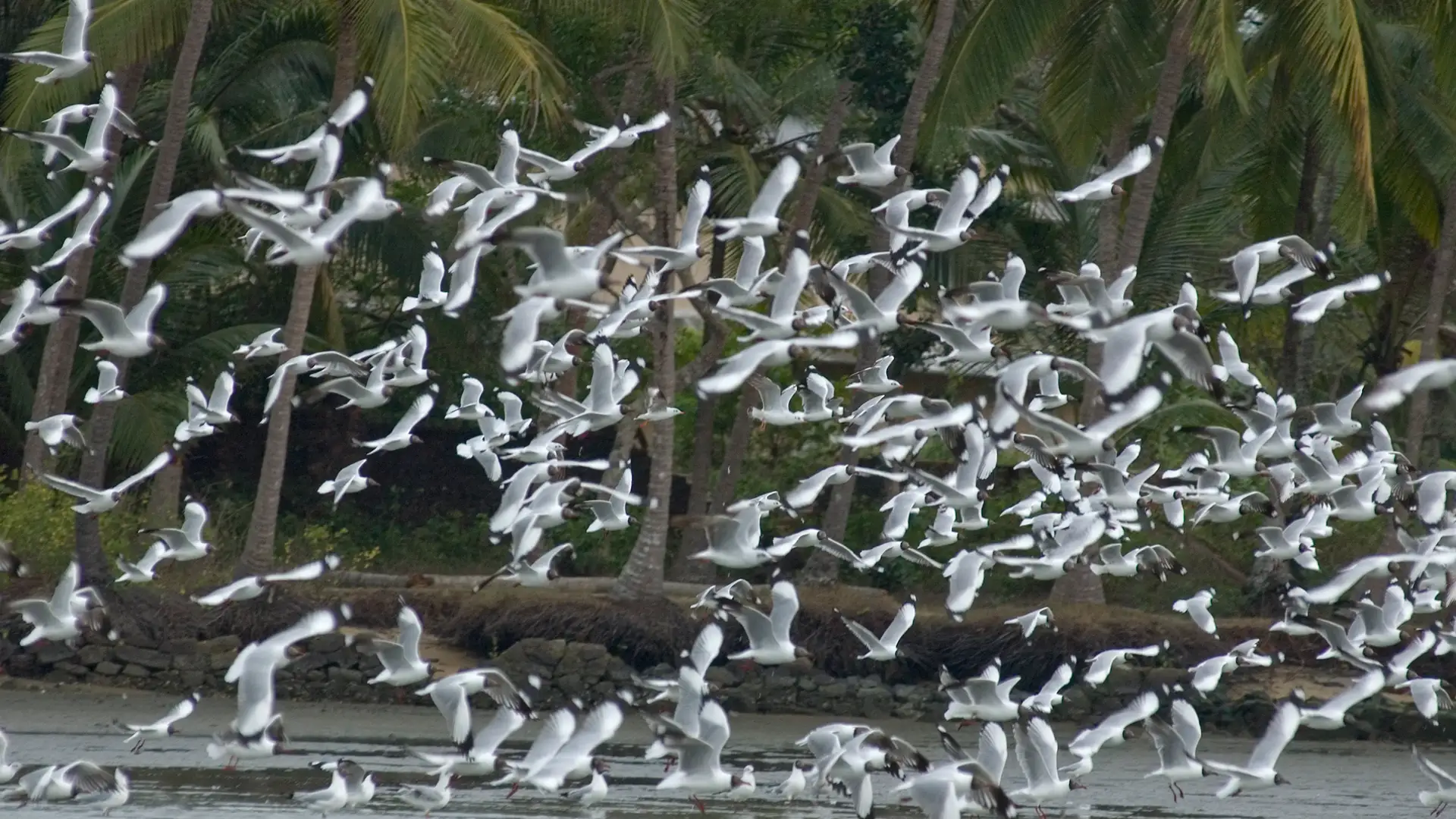
Getting Around Kozhikode
Kozhikode has an electric open-roof double-decker City Ride bus that takes you through the historic heart of the city — from KSRTC Terminal via Mananchira, SM Street, the Beach, and Beypore. Five daily trips run between 3 PM and 9 PM.
Overview
Kozhikode (Calicut) is where world history turned a new page — Vasco da Gama landed at Kappad Beach in 1498, opening the sea route from Europe to India. Once the capital of the powerful Zamorin dynasty and a global spice trade hub, Kozhikode today is famous for its culinary traditions, Malabar hospitality, and beautiful beaches.
Top Attractions
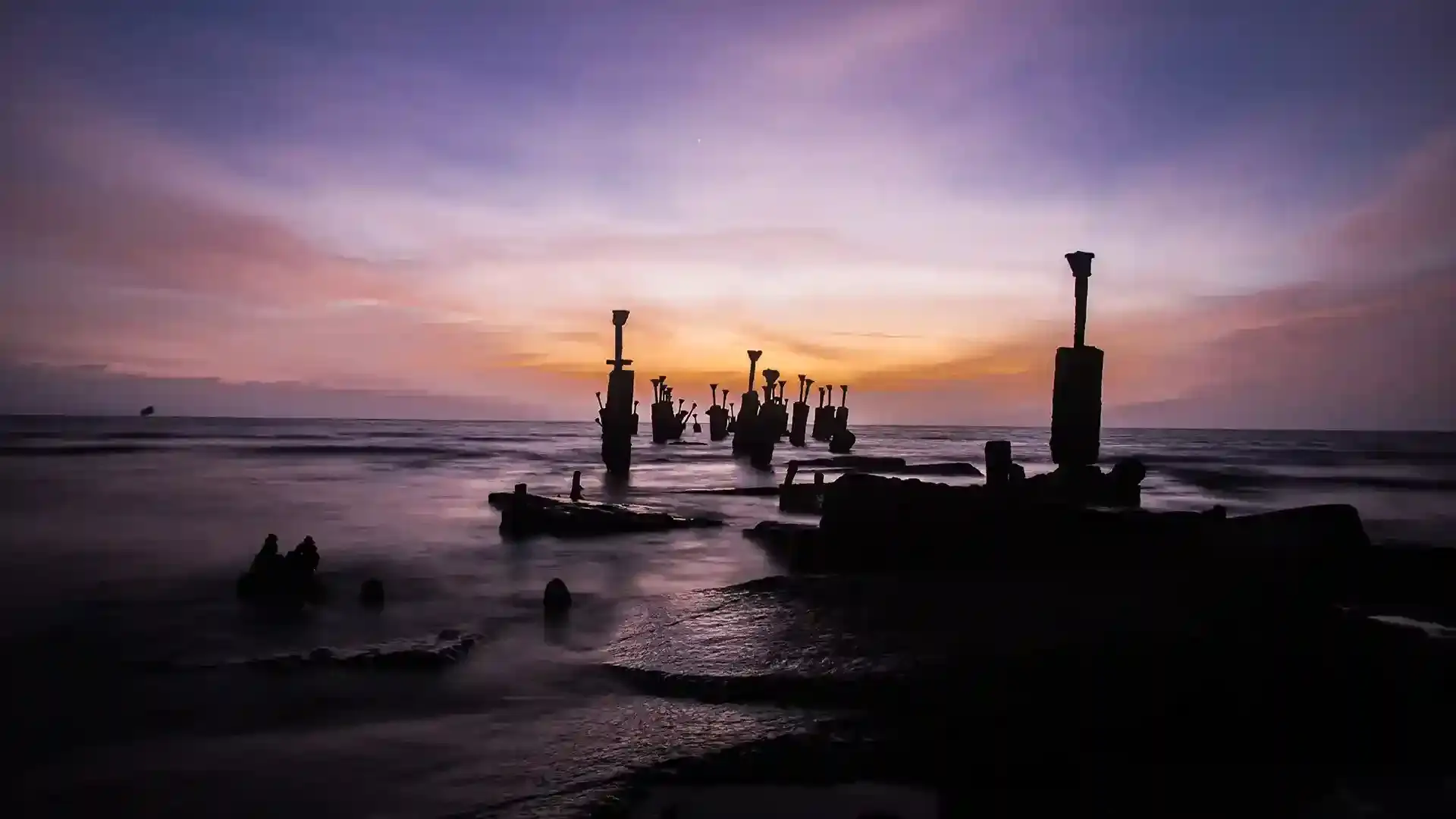
Kozhikode Beach
Kozhikode Beach is the city's most iconic landmark — a sweeping stretch of sand along the Arabian Sea in the heart of town, flanked by two piers and the old lighthouse. The beach is the social centre of Kozhikode; every evening, hundreds gather on the sea wall and promenade for sunset, street food, and conversation.
The Lions Park at the southern end and the Marine Walkway offer great views. At dusk, vendors line up selling Kozhikode's famous street food — particularly the Kallummakkaya (mussel) fry, egg puffs, and ice cream. The old lighthouse, though no longer functional, is a beloved silhouette against the sunset sky.
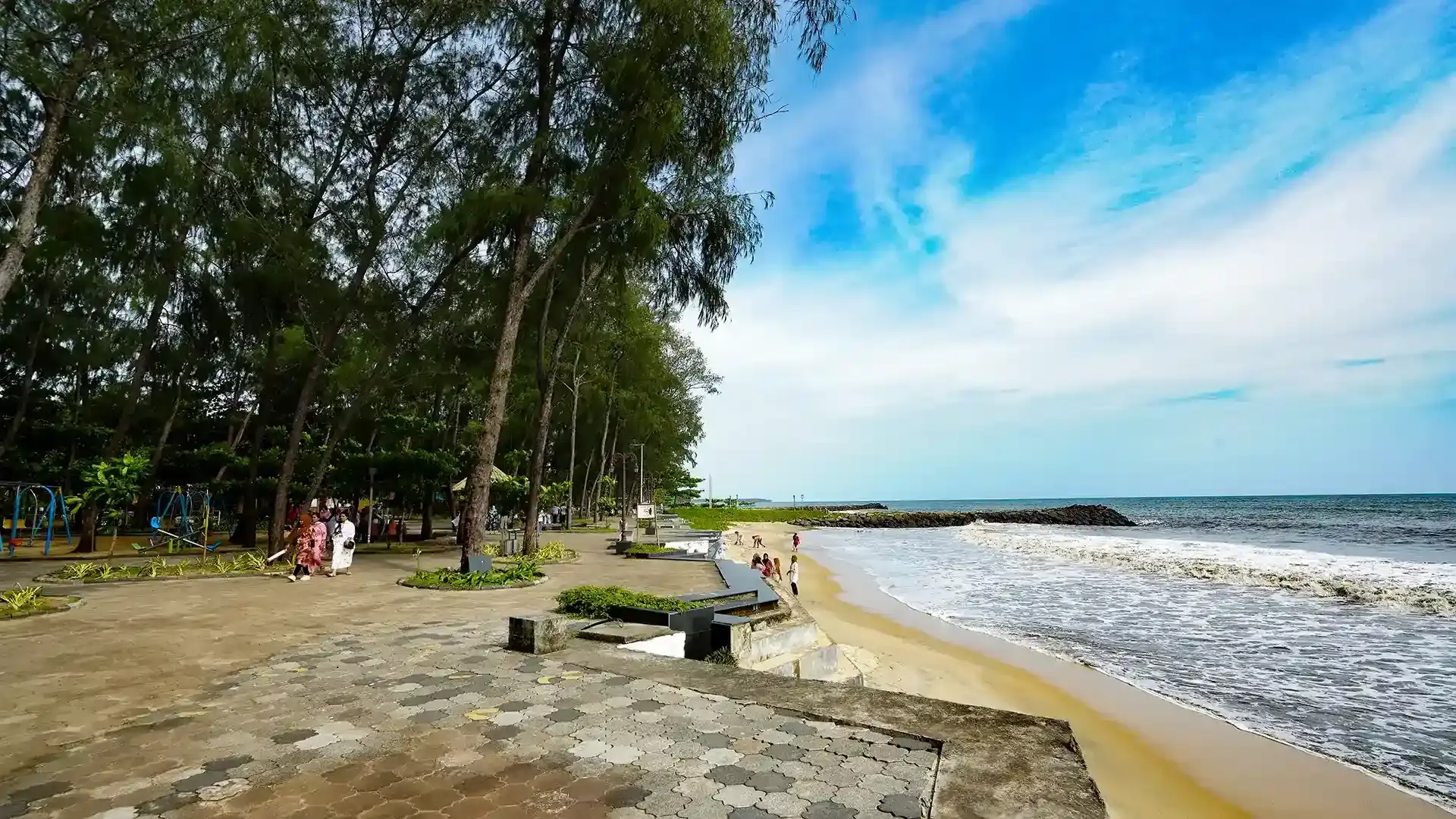
Kappad Beach
Kappad Beach, about 16 km north of Kozhikode, is where Vasco da Gama first set foot in India on 20 May 1498 — a moment that changed the course of world history by opening the sea route from Europe to Asia. A stone monument on the beach commemorates the landing.
Beyond its historical significance, Kappad is a beautiful, relatively quiet beach with rocky outcrops, clear waters, and a small temple on a raised rocky promontory at one end. The beach has been recognised as a Blue Flag beach for its cleanliness and sustainability. It is an excellent spot for swimming and watching traditional fishing boats come ashore.
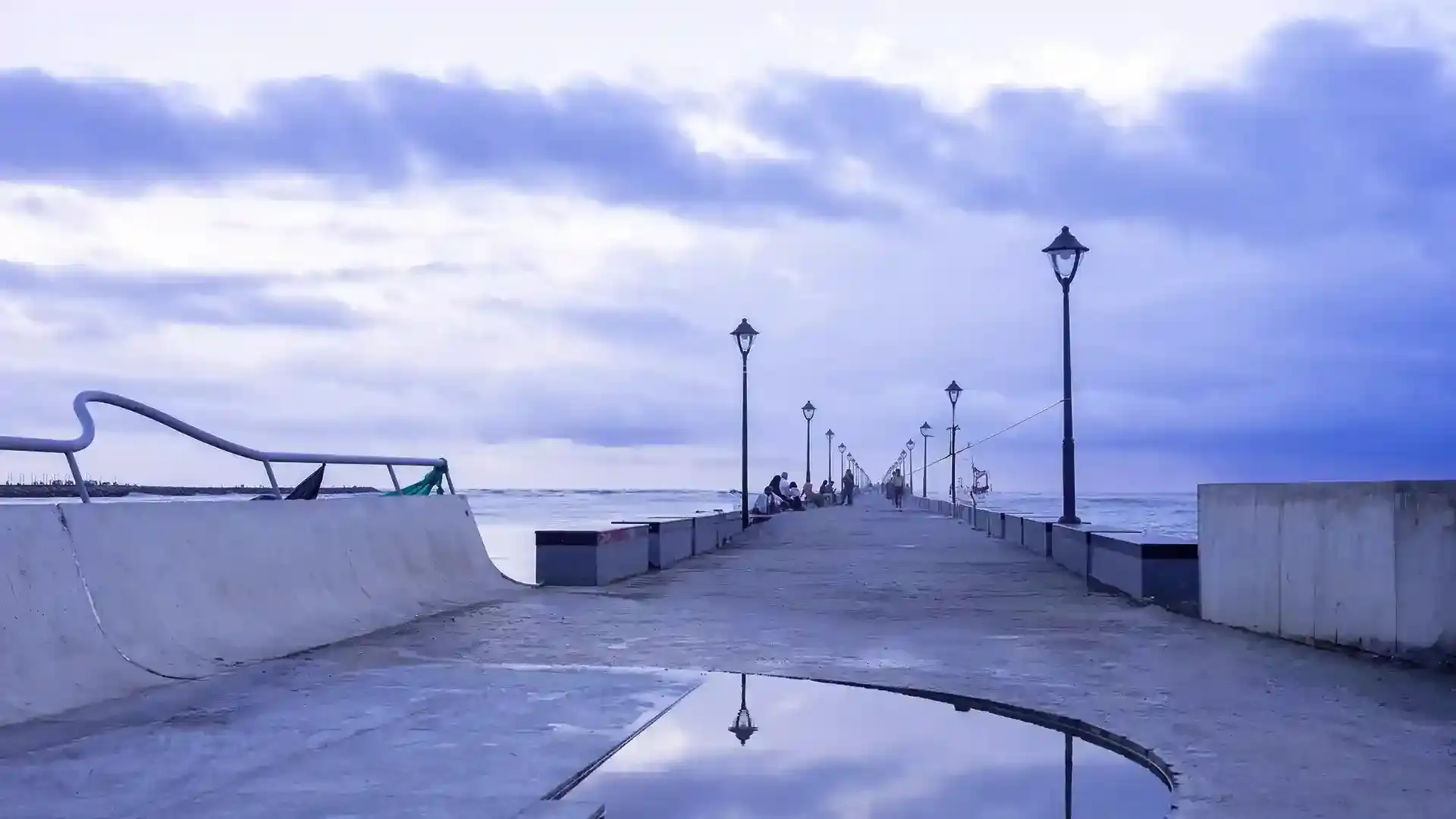
Beypore Beach
Beypore, about 10 km south of Kozhikode, is an ancient port town famous for its traditional wooden shipbuilding — the construction of Uru, massive wooden sailing vessels hand-built by master craftsmen using techniques passed down through generations. These ships, once used for trade across the Arabian Sea, are now primarily built for clients in the Gulf countries.
The Beypore beach area includes a long breakwater (pulimuttu) extending into the sea — a popular evening walk with views of fishing boats and the river mouth. The Chaliyam ferry point nearby offers boat rides across the estuary. Visiting one of the remaining Uru-building yards to see a ship taking shape is a unique experience available nowhere else in India.
Thikkodi Drive-in Beach
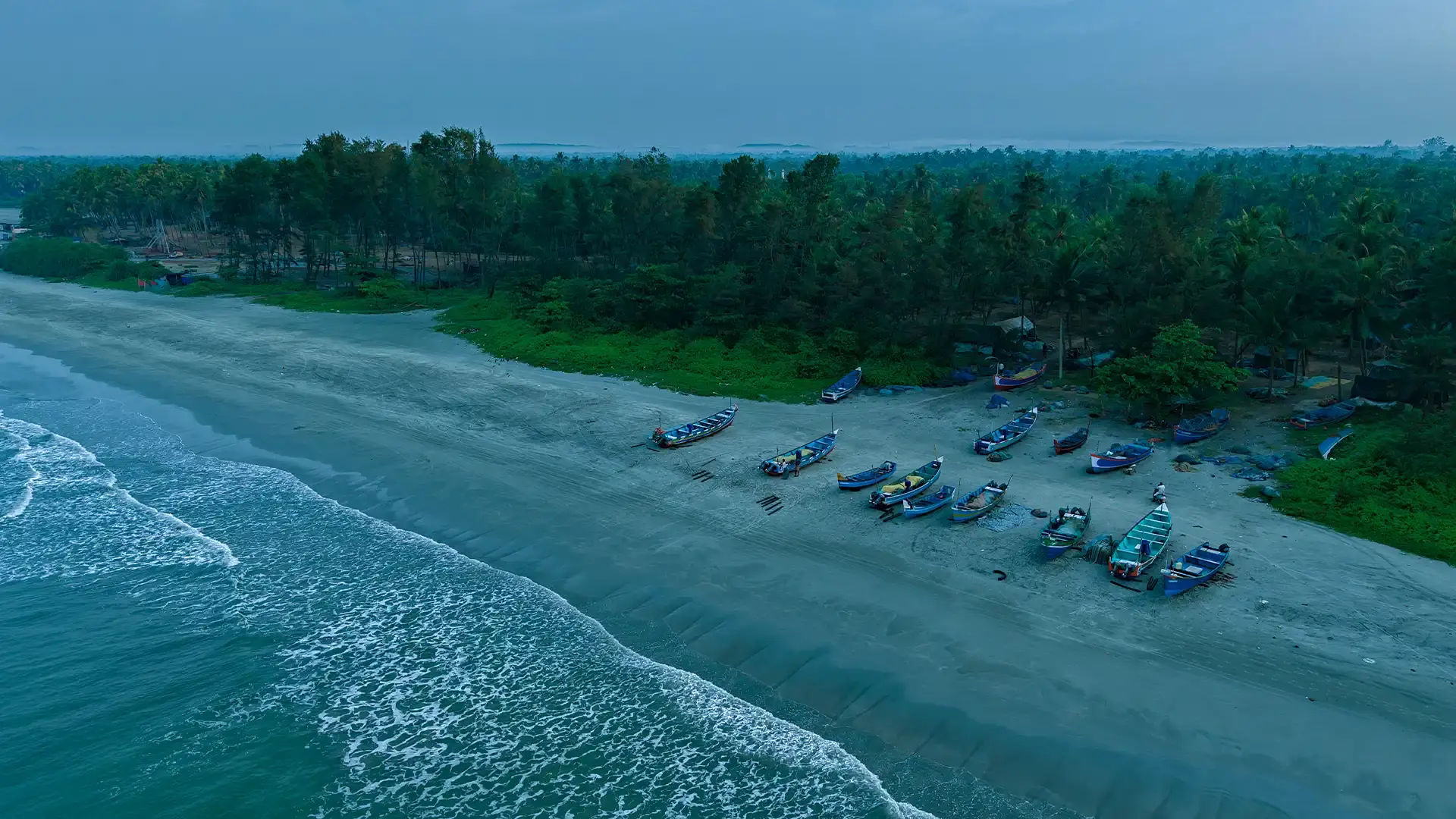
Thikkodi Light House Beach, about 25 km north of Kozhikode, offers the unique experience of driving along the shore on compacted sand — one of the few drive-in beaches in Kerala. The vast, flat beach stretches for several kilometres and is wide enough for vehicles during low tide.
The lighthouse at one end adds character to the landscape. The beach is less crowded than Kozhikode Beach, making it ideal for a leisurely drive, walk, or simply watching the waves. Sunset here, with the lighthouse silhouetted against the sky, is particularly beautiful.
Thusharagiri Waterfalls
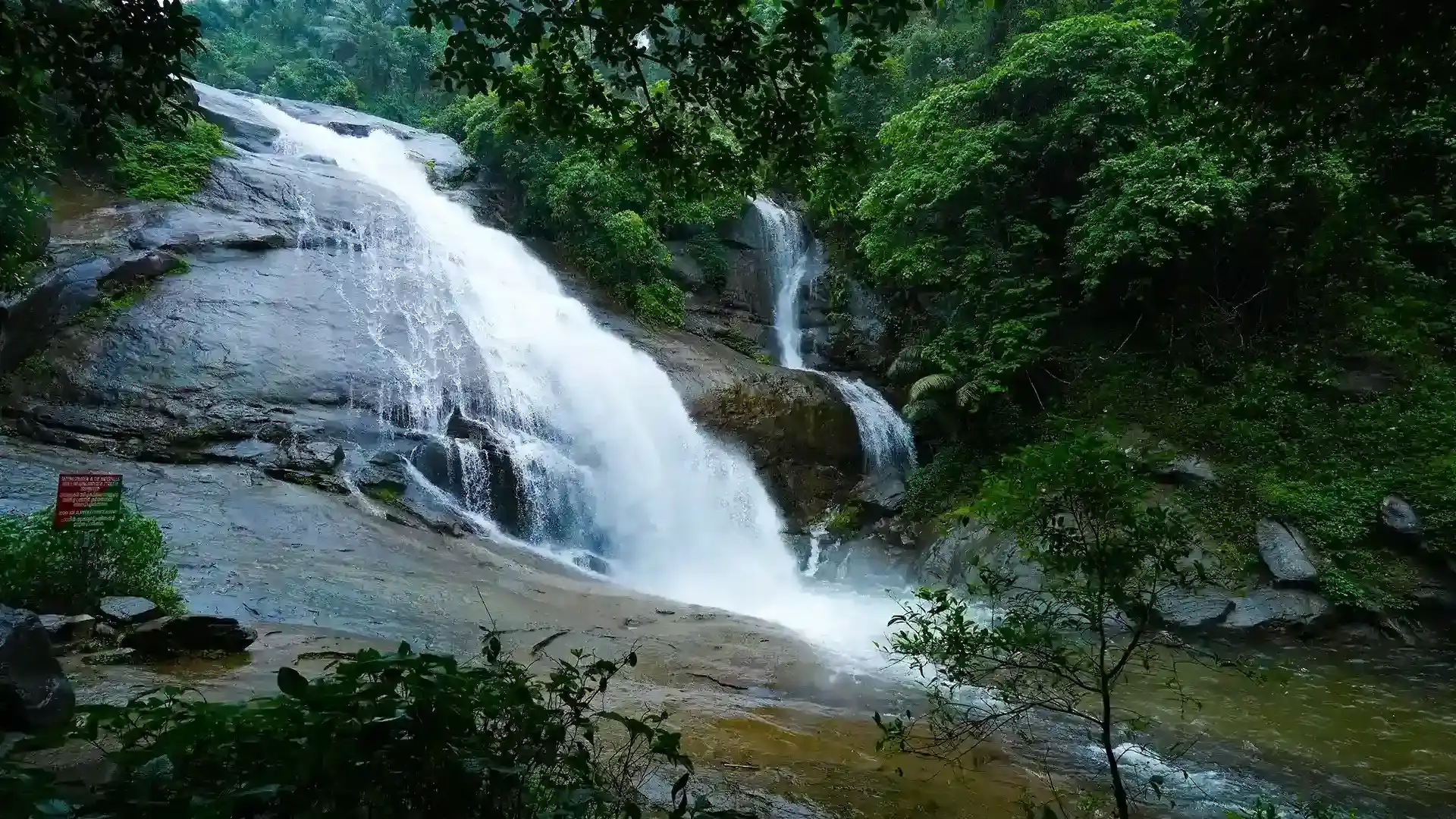
Thusharagiri (meaning 'snow-capped mountain' in Malayalam, referring to the white spray of the falls) is a series of spectacular waterfalls about 50 km east of Kozhikode, in the foothills of the Western Ghats near Kodenchery. The main falls cascade in three tiers — Thanni Muthassi, Erattumukku, and Mazhavil Chattam — through dense tropical forest.
A well-maintained trekking trail (about 2–3 km) connects the falls, passing through lush forest with butterflies, birds, and streams. The trek is moderate and suitable for most fitness levels. Thusharagiri is one of the best waterfall trekking experiences in northern Kerala. The surrounding forest is part of the Kodagu–Wayanad elephant corridor.
Arippara Waterfalls
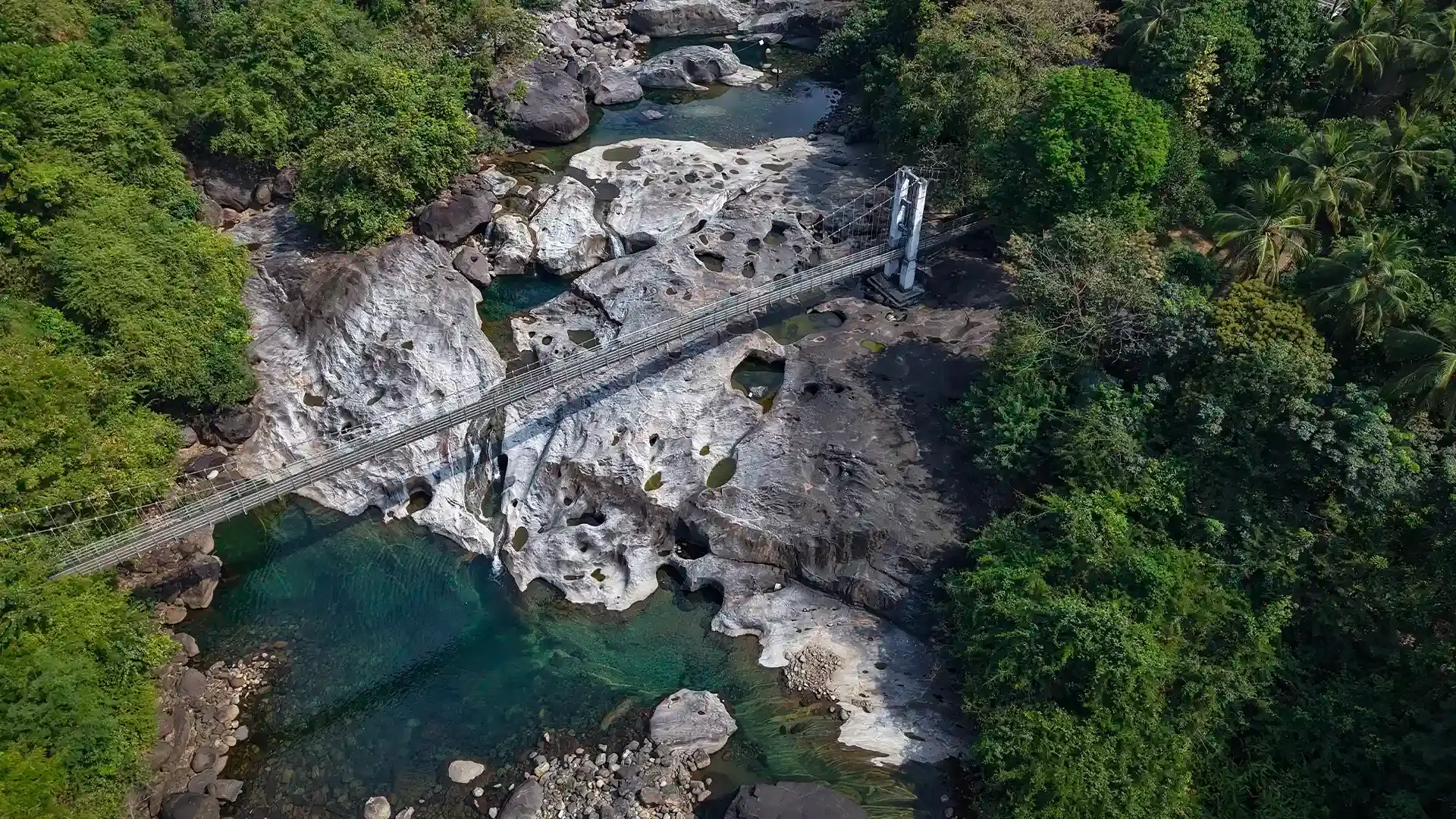
Arippara Falls is a lesser-known but stunning waterfall near Kuttiady, about 40 km from Kozhikode. The cascade drops through a rocky gorge surrounded by thick forest, with natural pools at the base that are perfect for a cool dip after the short trek from the road.
The relatively low tourist footfall makes Arippara a peaceful retreat — the sounds of water, forest, and birdsong dominate. It is a popular picnic spot for locals, especially on weekends. Best visited during or just after the monsoon when the falls are at their most dramatic.
Vellarimala Eco-Tourism
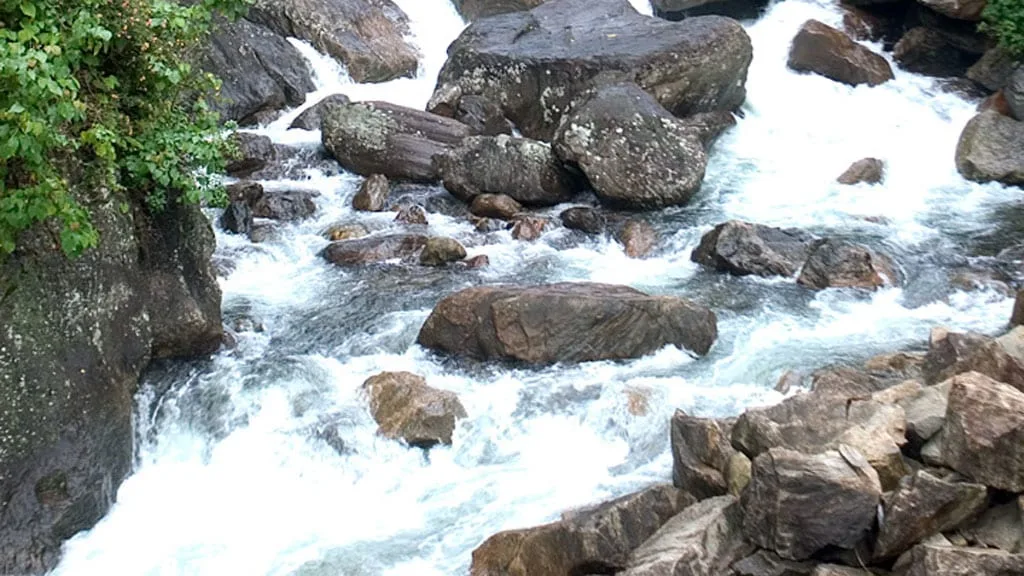
Vellarimala is a misty hill range in the Western Ghats, about 65 km from Kozhikode near Kodenchery. The eco-tourism zone offers trekking trails through shola-grassland mosaics, dense forest patches, and hilltops with panoramic views of the Malabar plains and surrounding mountain ridges.
The area is rich in biodiversity — elephants, Malabar giant squirrels, hornbills, and rare orchids can be spotted. Guided treks organised by the Forest Department range from easy nature walks to challenging summit hikes. The early morning mist and cloud-play on the hilltops make this a rewarding destination for nature photographers and trekking enthusiasts.
Thamarassery Ghat
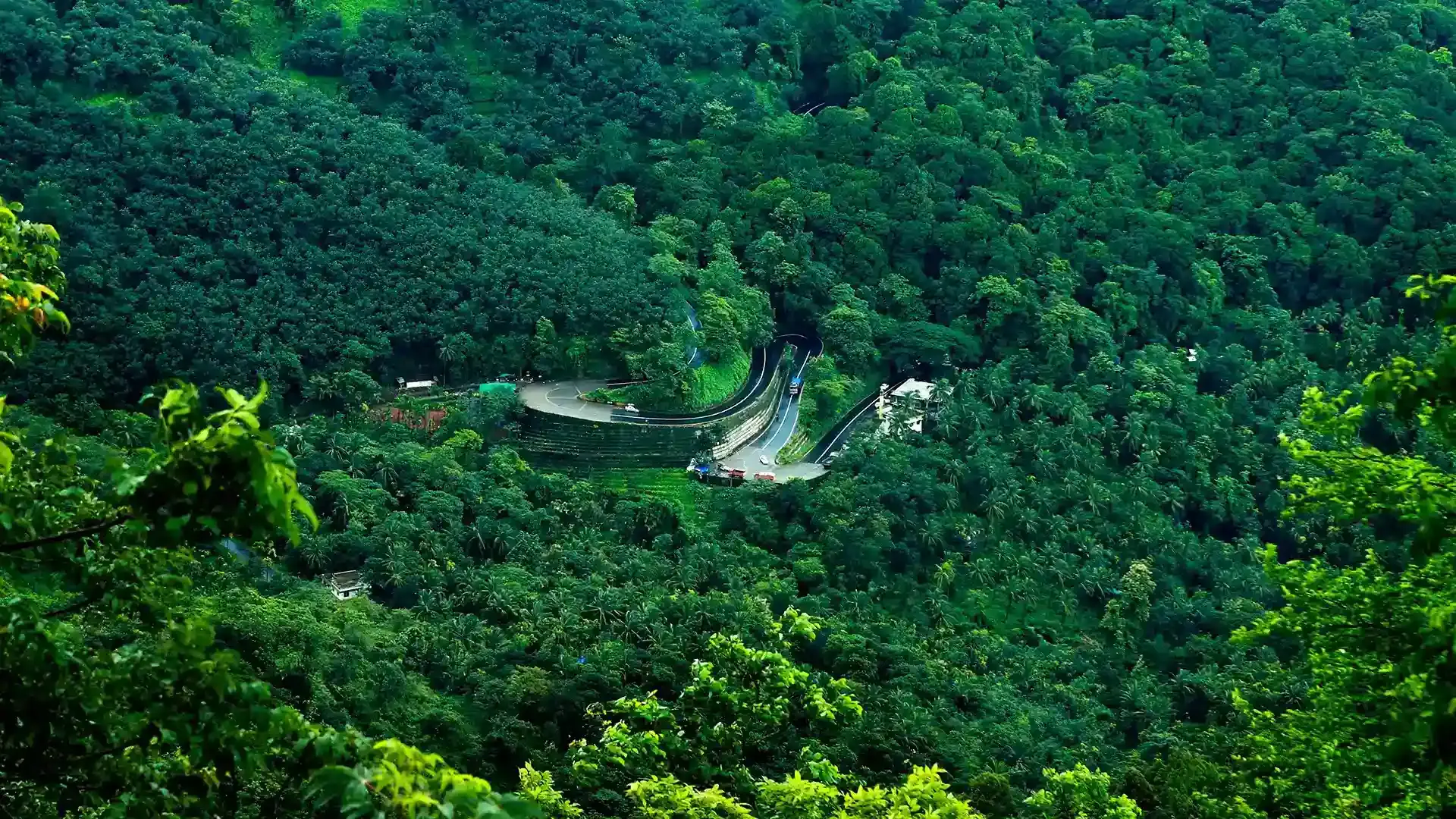
Thamarassery Ghat (also called Thamarassery Churam) is the main mountain pass connecting Kozhikode to Wayanad, with 9 hairpin bends winding through dense forest. The ghat road climbs from the lowland plains near Adivaram to the Wayanad plateau, offering stunning views at every turn — misty valleys, forested slopes, and distant plains far below.
The drive itself is one of the most scenic road experiences in Kerala. Along the way, the Lakkidi viewpoint at the top offers a dramatic panorama. The ghat pass was engineered in the early 1900s, and its winding road through giant trees and mist is reminiscent of a bygone era. For those not continuing to Wayanad, the drive up and back is worthwhile just for the scenery.
Mananchira Square
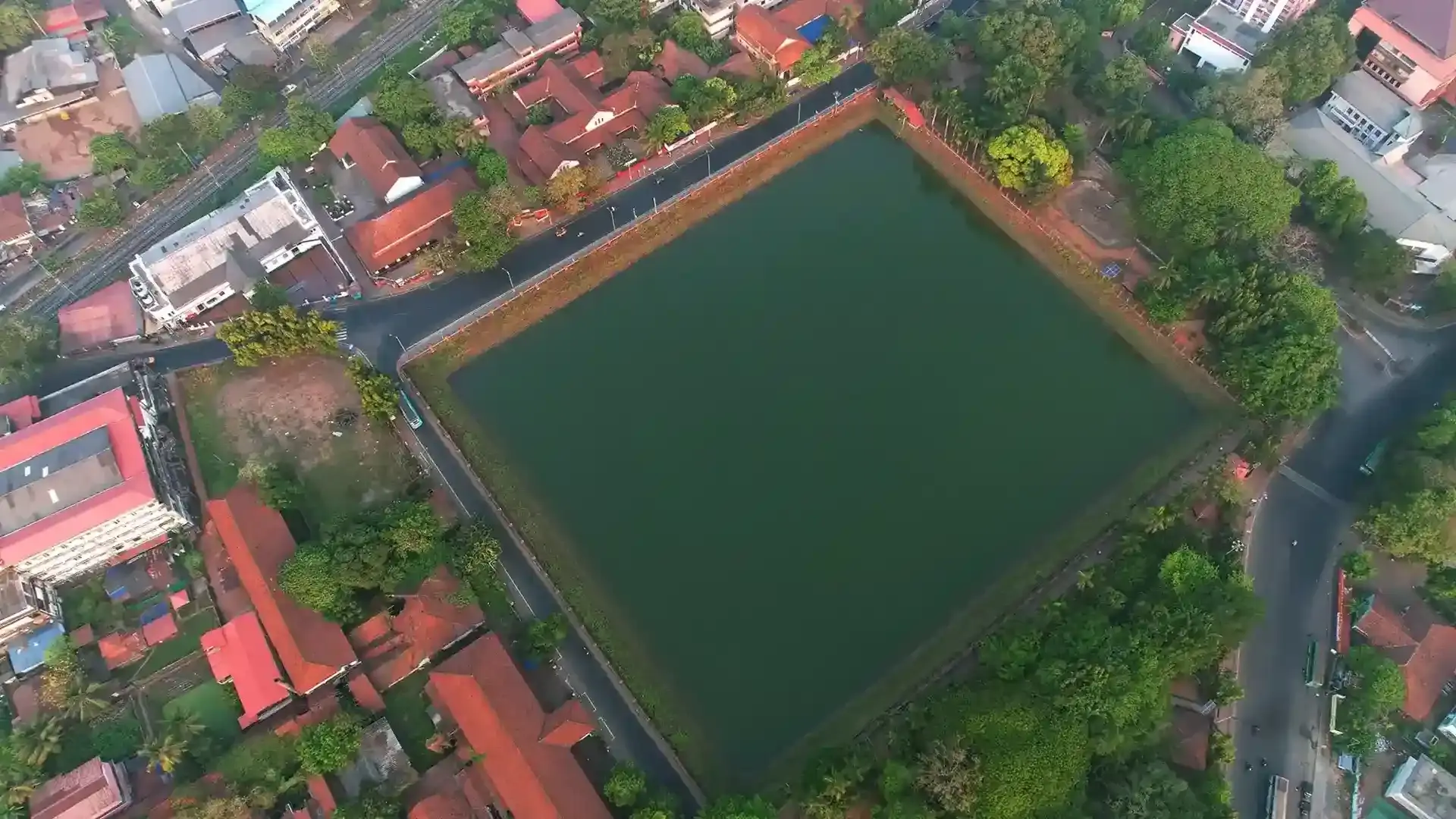
Mananchira Square is the cultural heart of Kozhikode — a beautifully landscaped park built around the historic Mananchira tank, an ancient royal pond of the Zamorin rulers of Calicut. The tank has been converted into a musical fountain surrounded by gardens, walkways, and an open-air amphitheatre.
The square is lined with heritage buildings including the Town Hall (now a public library) and the Lalitha Kala Akademi art gallery. In the evenings, families and students gather here, and cultural performances are regularly held in the amphitheatre. It is the perfect starting point for a heritage walk through old Kozhikode.
Mittayitheruvu (SM Street)
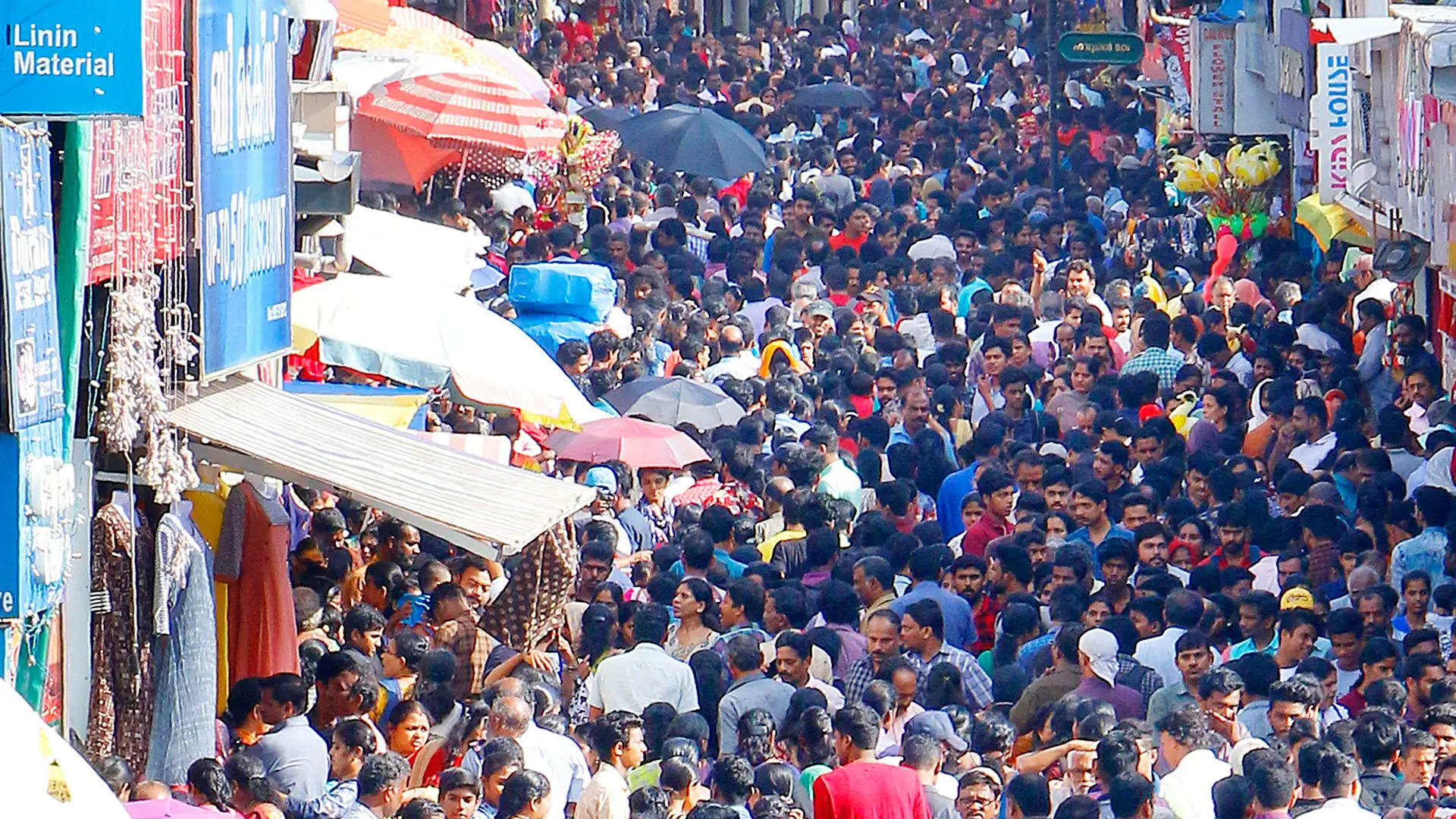
SM Street (Sweetmeat Street), locally known as Mittayitheruvu, is Kozhikode's most famous and bustling shopping street — a narrow, crowded lane running from Mananchira Square to the Valiyangadi (Big Bazaar). As the name suggests, the street was originally known for its halwa shops, and Kozhikode halwa — made from maida, coconut oil, and sugar — remains the iconic purchase here.
Today, SM Street is a sensory overload — shops selling everything from spices, textiles, and gold to electronics and street food jostle for space. The aroma of fresh halwa, banana chips, and spice mixes fills the air. For visitors, a slow walk through SM Street, perhaps stopping for halwa and a cup of Kozhikode's famous Sulaimani (black tea with lemon), is an essential Kozhikode experience.
CVN Kalari Sangam
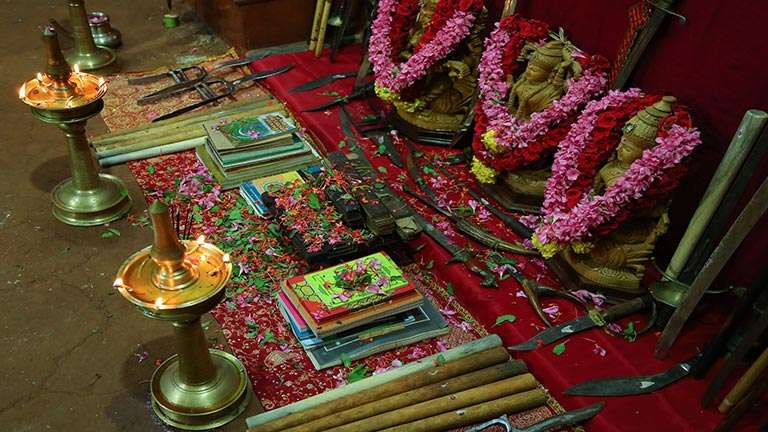
CVN Kalari Sangam is one of Kerala's premier centres for Kalaripayattu — the ancient martial art believed to be one of the oldest fighting systems in the world. Located in Kozhikode, the sangam offers daily demonstration sessions where practitioners perform spectacular feats of combat, weapon skills, flexibility, and acrobatic fighting techniques.
Visitors can watch early-morning training sessions (typically 6–8 AM) in the sunken kalari (training pit). The demonstrations include unarmed combat, stick fighting, dagger duels, and the famous sword-and-shield sequences. CVN Kalari also offers short-term courses for those wanting to learn the basics. It is one of the best places in Kerala to experience this living martial tradition.
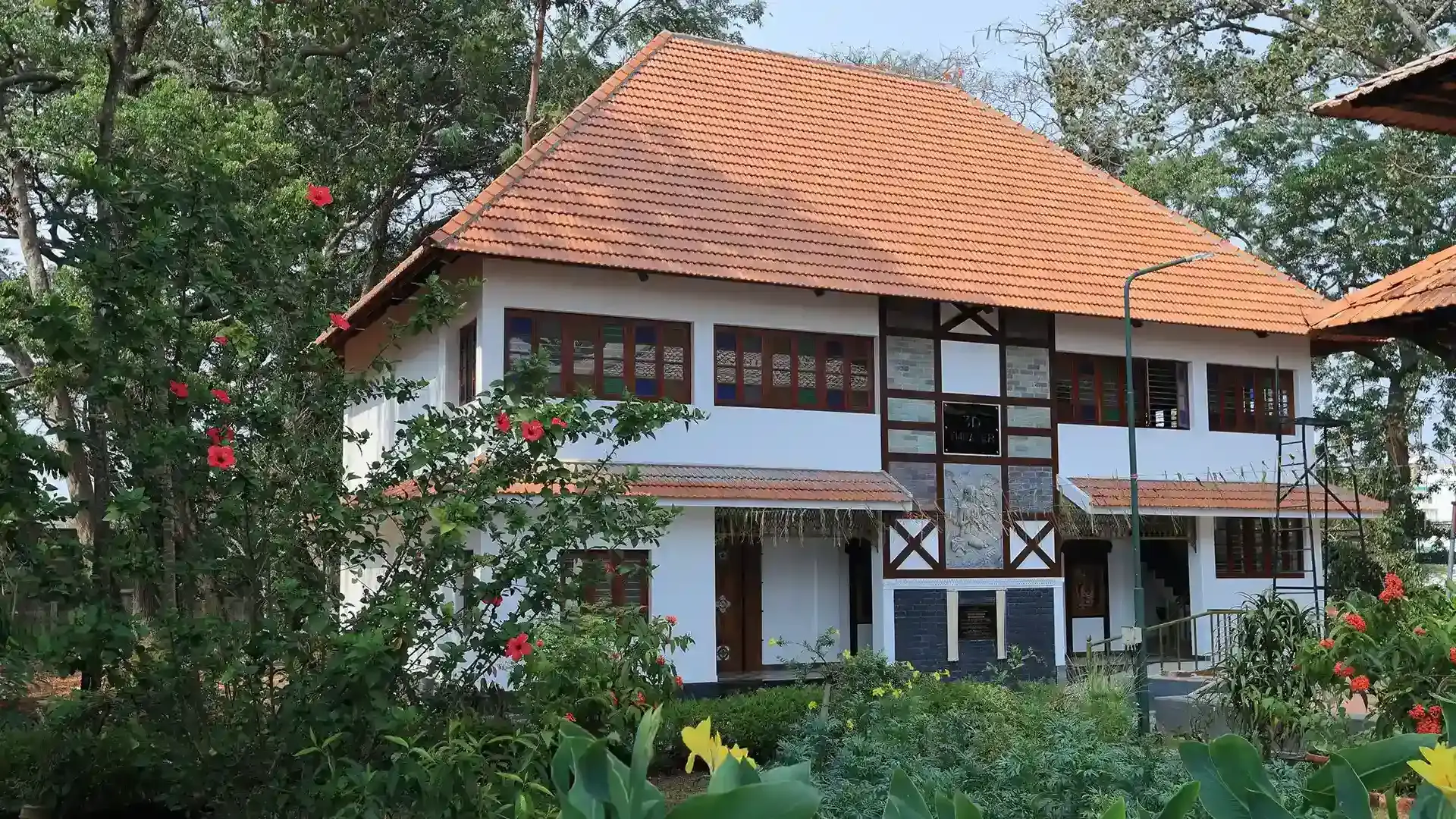
Krishna Menon Museum & Art Gallery
The Krishna Menon Museum and Art Gallery, located near the Kozhikode Beach on East Hill, is dedicated to V.K. Krishna Menon — the renowned statesman, diplomat, and India's former Defence Minister. The museum houses his personal memorabilia, photographs, letters, and a collection related to India's freedom movement.
The attached art gallery displays works by Indian artists including Raja Ravi Varma reproductions and contemporary Kerala painters. The museum building, set in a garden, also houses a small archaeology section with coins, sculptures, and Bronze Age artefacts. A quiet, informative stop for history and art enthusiasts.
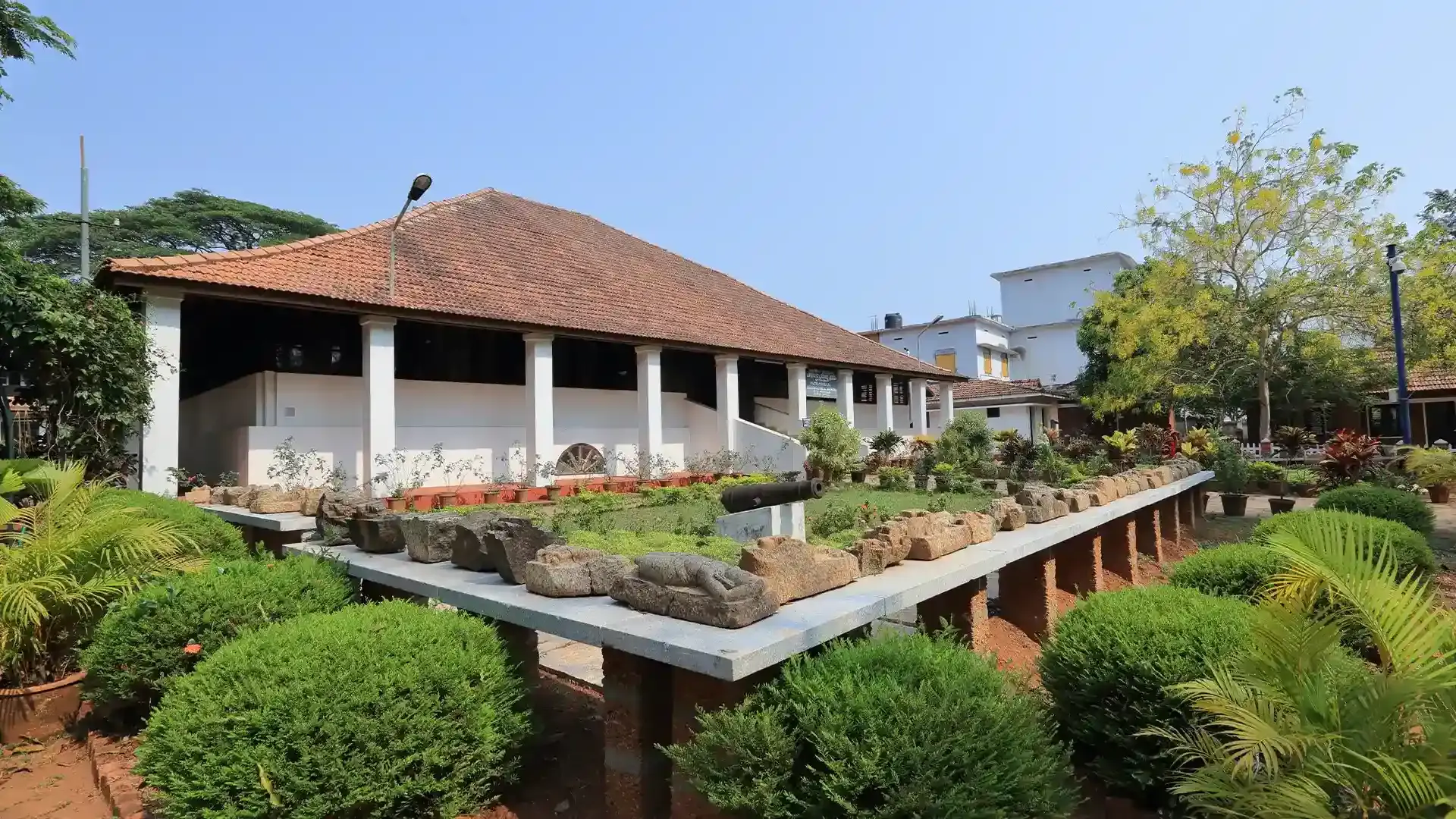
Pazhassi Raja Museum & Art Gallery
The Pazhassi Raja Archaeological Museum, also on East Hill near the Krishna Menon Museum, is named after Kerala Varma Pazhassi Raja — the 'Lion of Kerala' who fought against British colonial rule. The museum houses an impressive collection of archaeological artefacts including ancient coins, bronze sculptures, megalithic-era pottery, temple models, and Wayanad cave replicas.
An art gallery on the upper floor displays copies of murals from the Mattancherry Palace and Padmanabhapuram Palace, as well as paintings from the Tanjore and Mughal schools. The museum offers a compact but rich overview of Kerala's archaeological and artistic heritage. Combined with the Krishna Menon Museum next door, it makes for a good couple of hours of cultural exploration.
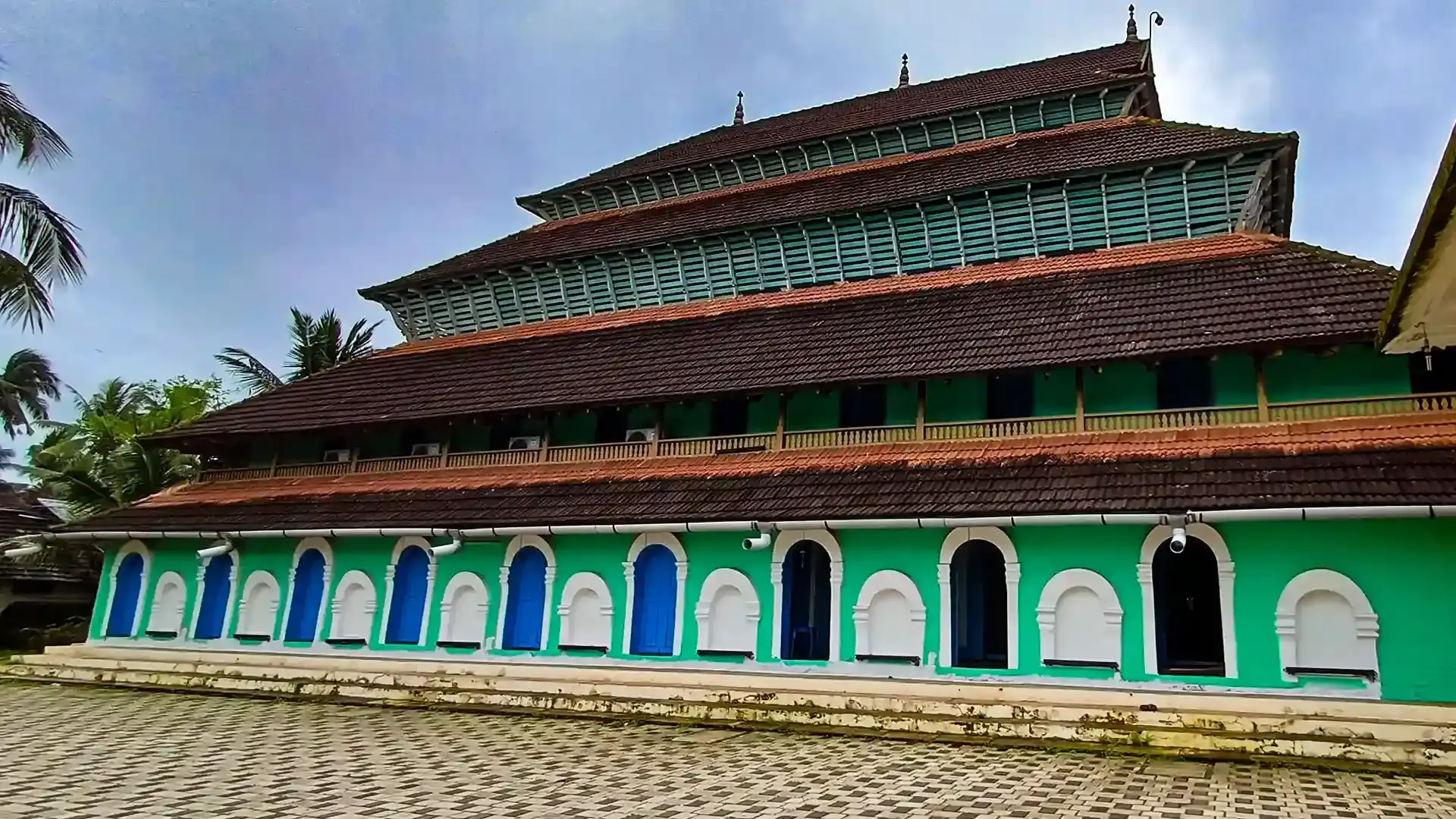
Mishkal Mosque
Mishkal Mosque (Mishkal Palli), located near Kuttichira in the old town of Kozhikode, is a 14th-century mosque famous for its distinctive architecture — a multi-storeyed structure built entirely of wood and stone, without any iron nails. Originally said to have had five stories (now four remain), it was built by Nakhooda Mishkal, a wealthy Arab merchant.
The mosque has no dome or minaret — instead, it looks like a traditional Kerala building with sloping tiled roofs and carved wooden interiors. The Kuttichira area around the mosque is one of Kozhikode's oldest Muslim quarters, with a labyrinth of narrow lanes, traditional houses, and the nearby Muchundi Mosque and Kuttichira pond. It is an architectural gem and an important stop on any Kozhikode heritage walk.
Suggested Itineraries
One Day in Kozhikode
Morning: Mananchira Square & Tali Temple → Afternoon: SM Street food trail & Beypore Uru workshops → Evening: Sunset at Kozhikode Beach
2–3 Days in Kozhikode
Day 1: City heritage — Mananchira, SM Street, Tali Temple, Kozhikode Beach · Day 2: Kappad Beach, Kadalundi Bird Sanctuary, Beypore · Day 3: Thusharagiri Waterfalls trek, day trip to Wayanad
Local Flavor
Food
Kozhikode is the food capital of Kerala. SM Street Halwa, Malabar Biriyani, Kozhikodan Sulaimani (black tea), Chattipathiri (layered sweet), and banana chips fried in coconut oil are iconic.
Festivals
The Malabar Mahotsavam celebrates the region's cultural heritage with food festivals, art performances, and trade fairs.
Crafts & Traditions
Beypore's traditional Uru boats, Kozhikode halwa making (100+ year old tradition), and handloom weaving of Kozhikode fabrics are notable crafts.
Practical Info
Calicut International Airport (CCJ) — about 25 km south
Kozhikode Railway Station
October to March (pleasant coastal weather)