Getting Around Ernakulam
Ernakulam has a KSRTC sightseeing bus that takes you on a 29 km ride through Marine Drive, Vallarpadam, MG Road and other highlights of the city. Kochi Metro spans 28 km with 25 stops, and there is also a Water Metro connecting various spots across the backwaters.
Overview
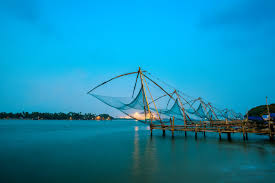
Ernakulam is Kerala's commercial and industrial hub, home to the historic Fort Kochi — a magical neighborhood blending Portuguese, Dutch, and British influences. From the iconic Chinese fishing nets and Jewish Synagogue to the vibrant Marine Drive promenade and modern malls, Ernakulam offers the perfect mix of heritage, coastal charm, and urban energy.
Top Attractions
Fort Kochi
A magical historic town with great sea food, art museums and full of colorful streets. This historic neighborhood is a blend of Portuguese, Dutch, and British influences, evident in its architecture and culture. Stroll through the narrow streets lined with colorful buildings, visit the iconic Chinese fishing nets that dot the coastline, and explore art galleries showcasing local talent. Don't miss the vibrant street art and quaint cafes that add to Fort Kochi's charm.
The St. Francis Church in Fort Kochi is India's oldest European church. The Dutch Cemetery and Thakur House offer insights into the lives of former colonists. The Maritime Museum and Vasco House tell tales of exploration and adventure. The iconic Chinese fishing nets, standing tall for over five centuries, evoke wonder and admiration.
Wander through the cobbled streets and discover hidden treasures like the Jewish Synagogue, the Mattancherry Palace, and the Santa Cruz Basilica. Take a leisurely stroll on the shores of Mahatma Gandhi beach. Dive into the art scene at Mocha art cafe and explore the Uru Art Harbour. Savor authentic Kerala cuisine at Jetty and immerse yourself in the vibrant culture of the Kerala Kathakali Centre.
Getting there
🚇 Take Kochi Metro to High Court station, then 🚤 Water Metro from High Court to Fort Kochi (~20 min)
🚌 Bus from Ernakulam KSRTC Bus Stand: Fort Kochi Bus Stand – HMT Colony · Ernakulam – Fort Kochi Bus Stand (~1 hr)
🚕 Auto/Uber: ~9 km from Ernakulam North railway station
Mattancherry
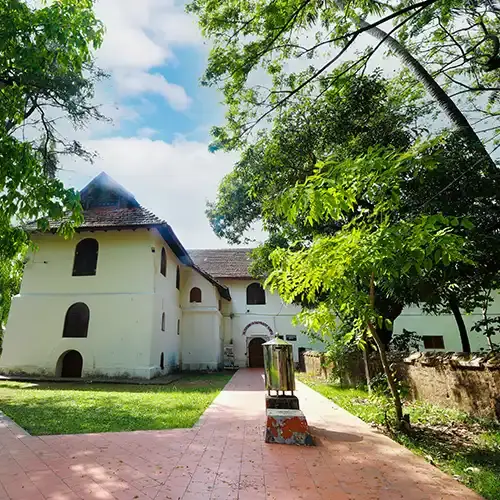
Mattancherry is a historic neighbourhood adjacent to Fort Kochi, famous for the Mattancherry Palace (Dutch Palace) — built by the Portuguese in the 1550s and later renovated by the Dutch. The palace houses some of Kerala's finest Hindu murals, depicting scenes from the Ramayana, Mahabharata, and Puranic legends in vivid colour and extraordinary detail.
The Jew Town area of Mattancherry is home to the Paradesi Synagogue — one of the oldest active synagogues in the Commonwealth, built in 1568. The narrow streets are lined with antique shops, spice warehouses, and curio stores selling everything from old maps and colonial furniture to brass lamps and hand-painted tiles.
The Paradesi Synagogue is a jewel of Kochi's multicultural heritage. Its interior features hand-painted blue-and-white Chinese floor tiles — each unique — a brass-railed pulpit, Belgian chandeliers, and coloured glass lamps. The clock tower at the entrance dates to the 18th century. The synagogue stands as a testament to the once-thriving Jewish community of Cochin, whose presence here dates back over a thousand years. Only a handful of families remain today, but the synagogue is beautifully maintained and open to visitors.
Mattancherry is also the heart of Kochi's spice trade — the air is thick with the aroma of pepper, cardamom, clove, and cinnamon. The spice markets and warehouses here have been in operation for centuries.
The Dutch Palace (Mattancherry Palace) deserves a closer look. Originally built by the Portuguese around 1555 as a gift to the Raja of Kochi, it was later renovated by the Dutch in 1663, earning it the name 'Dutch Palace'. The two-storey structure is built in the traditional Kerala nalukettu style around an open courtyard with a temple dedicated to the deity Pazhayannur Bhagavathi. The real treasures are the murals — covering over 300 sq metres of wall space, they are considered the finest examples of Kerala mural art, depicting scenes from the Ramayana in the coronation hall and mythological episodes in the bedchambers. The palace also displays royal portraits, palanquins, ceremonial dresses, coins, and stamps of the Kochi royal family.
Kadamakkudy Islands
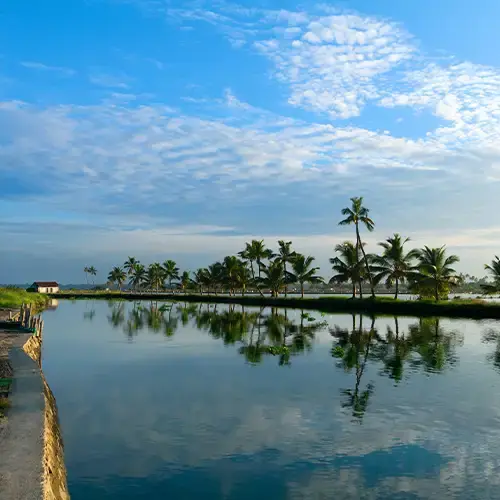
Kadamakkudy is a cluster of small islands in the backwaters of Ernakulam, connected by narrow bridges and surrounded by mangroves, paddy fields, and prawn farms. Just 15 km from Kochi city, it feels like a world apart — a peaceful rural escape where life is governed by the tides and the seasons.
The islands are a haven for migratory birds, especially during the winter months. Canoe rides through the narrow waterways offer close encounters with village life — fishermen setting Chinese nets, farmers tending paddy, and toddy tappers at work. Several homestays on the islands offer authentic rural Kerala experiences.
Kumbalangi
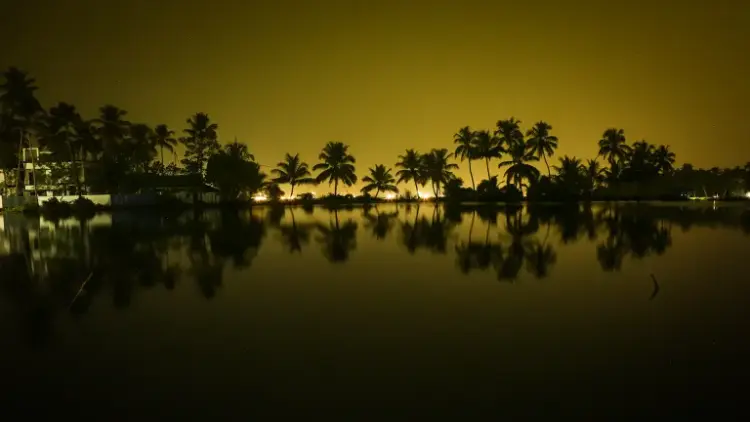
Kumbalangi is India's first model tourism village — a small fishing village on a cluster of islands in Kochi's backwaters, about 14 km from the city centre. The village was developed as an eco-friendly tourism destination, offering visitors an authentic glimpse of traditional Kerala village life.
Chinese fishing nets line the waterfront — you can watch fishermen operate them and buy fresh catch to have it cooked at a local homestay. Crab farming, prawn fishing, coir-making, and toddy tapping are daily activities. Canoe rides through the mangrove-lined canals, cooking classes, and fishing experiences are popular activities for visitors.
Kochi Backwaters
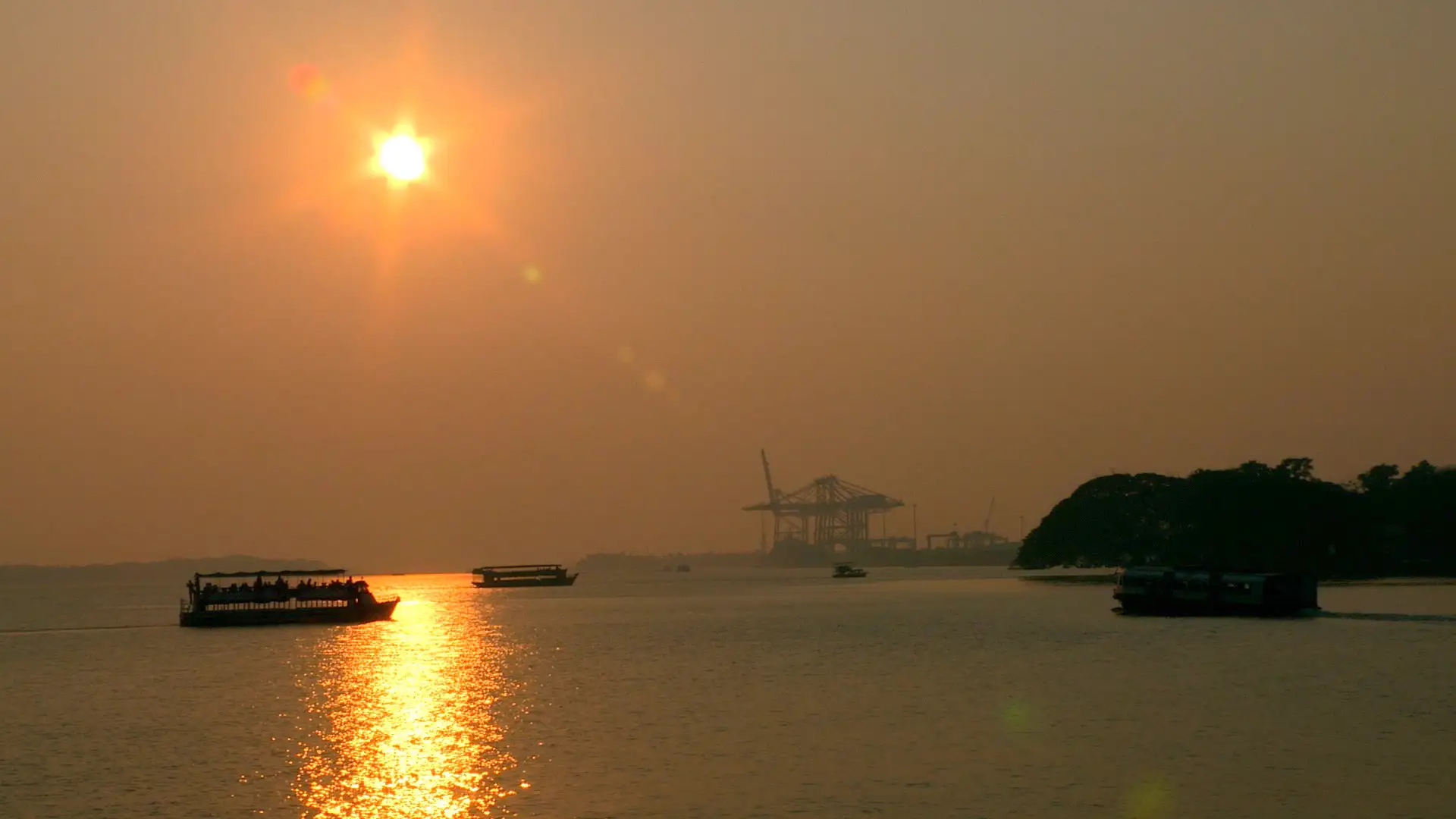
The Kochi backwaters are a network of canals, lagoons, and lake systems that weave through the city and its surrounding villages. Unlike the more famous Alappuzha backwaters, the Kochi backwaters offer an urban-meets-rural experience — you can be cruising past coconut palms and paddy fields within minutes of the city centre.
Sunset cruises from Marine Drive, houseboat rides through the Vembanad Lake system, and canoe trips through the narrow village canals of Kadamakkudy and Kumbalangi are all popular options. The backwaters connect Fort Kochi, Vypeen, Willingdon Island, and the mainland, making them central to the identity and daily life of Kochi.
Vypeen Island
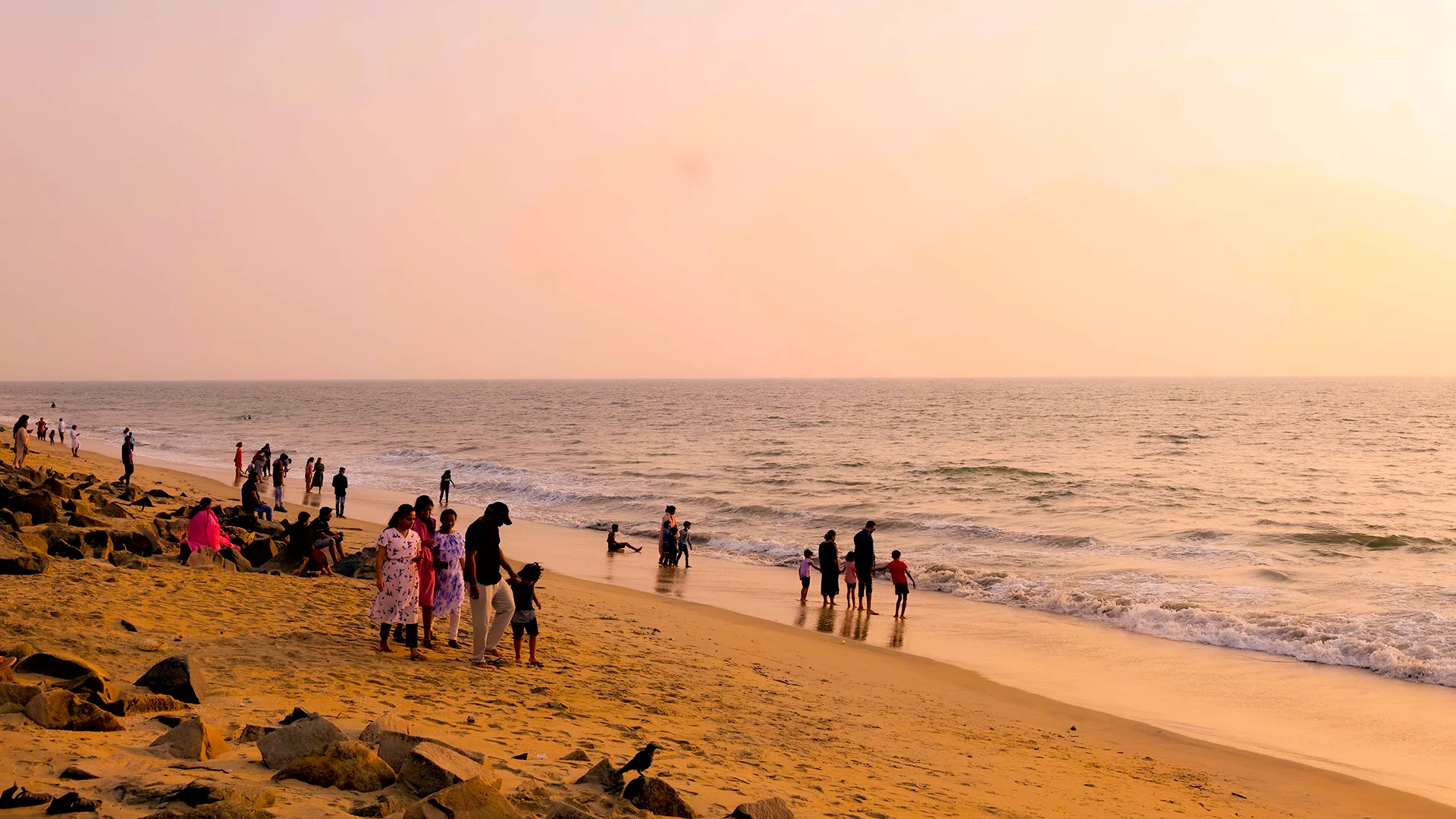
Vypeen Island is a long, narrow island across the harbour from Fort Kochi, connected by ferry and the Goshree bridges. The island offers a quieter, less touristy side of Kochi — beaches, old Portuguese-era churches, lighthouses, and fishing villages.
Cherai Beach on the northern tip of Vypeen is a 15 km stretch of golden sand — one of the best beaches near Kochi, known for dolphin sightings, seashells, and calm waters suitable for swimming. The Pallipuram Fort (1503), one of the oldest European forts in India, and the Vypeen Lighthouse are also on the island.
Puthuvypu Beach, on the western coast of Vypeen, is a pristine and uncrowded stretch of shoreline popular with locals — perfect for sunset walks and a quieter alternative to Cherai. Nearby stands the Ochanthuruth Lighthouse (also called Vypin Lighthouse), a red-and-white striped tower built during the British era that offers panoramic views of the Arabian Sea, the harbour, and the coconut-fringed coastline from its gallery. The lighthouse is open to visitors in the afternoon and is one of the few functioning lighthouses in Kerala that you can climb.
Munambam Beach, at the northernmost tip of Vypeen Island where the Periyar River meets the Arabian Sea, is a dramatic and windswept stretch of sand away from the usual tourist trail. The beach is known for its picturesque fishing harbour — one of the busiest in Kerala — where colourful boats line up at dawn. The nearby Munambam–Azhikode estuary creates a striking landscape of shifting sandbars, tidal channels, and Chinese fishing nets. It's an excellent spot for photography, fresh seafood straight off the boats, and watching the raw working life of Kerala's fishing communities.
Willingdon Island
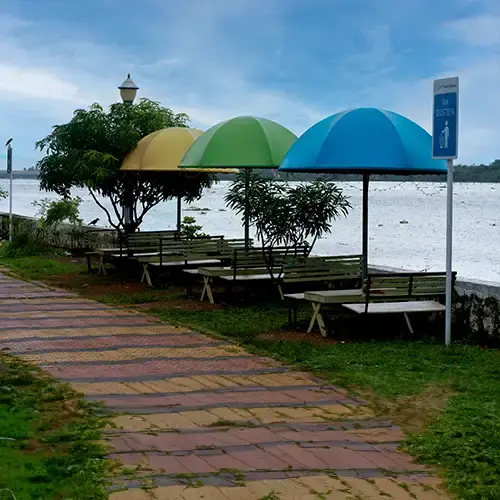
Willingdon Island is the largest artificial island in India, created in the 1930s by dredging Kochi's backwaters under the direction of Sir Robert Bristow. Named after Lord Willingdon, the then Viceroy of India, the island sits at the heart of Kochi's harbour and serves as the commercial hub of the port city.
The island houses the Cochin Port, the Naval Base (INS Venduruthy), the Cochin Shipyard, and several luxury hotels with harbour views. The Bolgatty Palace — a Dutch-era palace on nearby Bolgatty Island — is a popular heritage hotel. Willingdon Island offers a unique vantage point of Kochi's working harbour with ships, fishing boats, and ferries constantly on the move.
Thrippunithura Hill Palace Museum
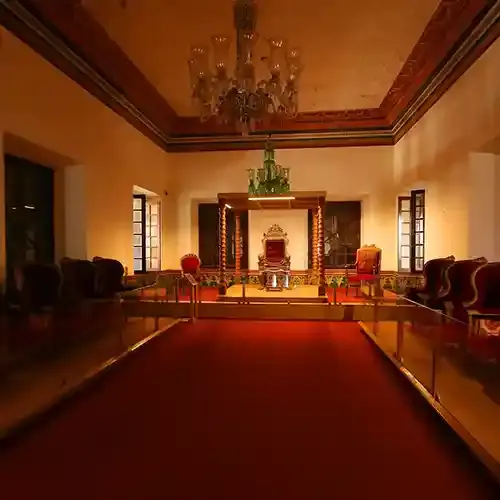
The Hill Palace in Thrippunithura is the largest archaeological museum in Kerala, set across 54 acres of landscaped gardens about 12 km from Kochi city. Built in 1865, it served as the administrative office and residence of the Cochin royal family.
The museum houses a remarkable collection — royal thrones, crowns, ornaments, coins, sculptures, paintings, manuscripts, and weapons spanning centuries of Cochin's history. The palace complex includes 49 buildings in the traditional Kerala architectural style, a deer park, a pre-historic park with dolmens, and a heritage garden with rare medicinal plants.
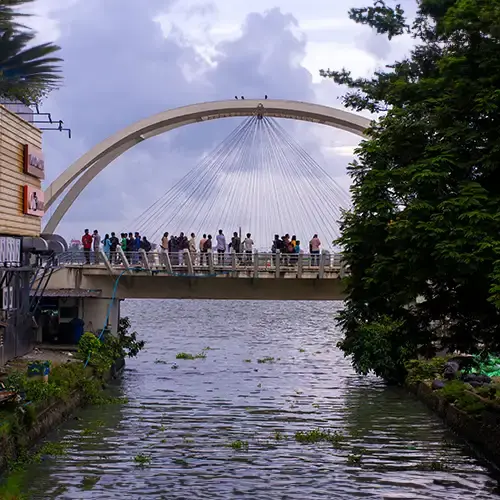
Marine Drive
Marine Drive is Ernakulam's iconic waterfront promenade — a 3 km paved walkway along the shores of the Vembanad Lake backwaters in the heart of the city. Lined with palm trees, park benches, and decorative lighting, it's the favourite evening hangout for locals and visitors alike.
The promenade offers panoramic views of the backwaters, the islands, and the harbour — ferries, fishing boats, and cargo ships pass by constantly. At sunset, the waterfront comes alive with walkers, joggers, street food vendors, and families. Boat cruises depart from the Marine Drive jetty for sunset rides through the backwaters and around Willingdon Island.
The Rainbowbridge — an arched pedestrian bridge connecting two sections of the walkway — is a popular photo spot, especially when lit up at night.
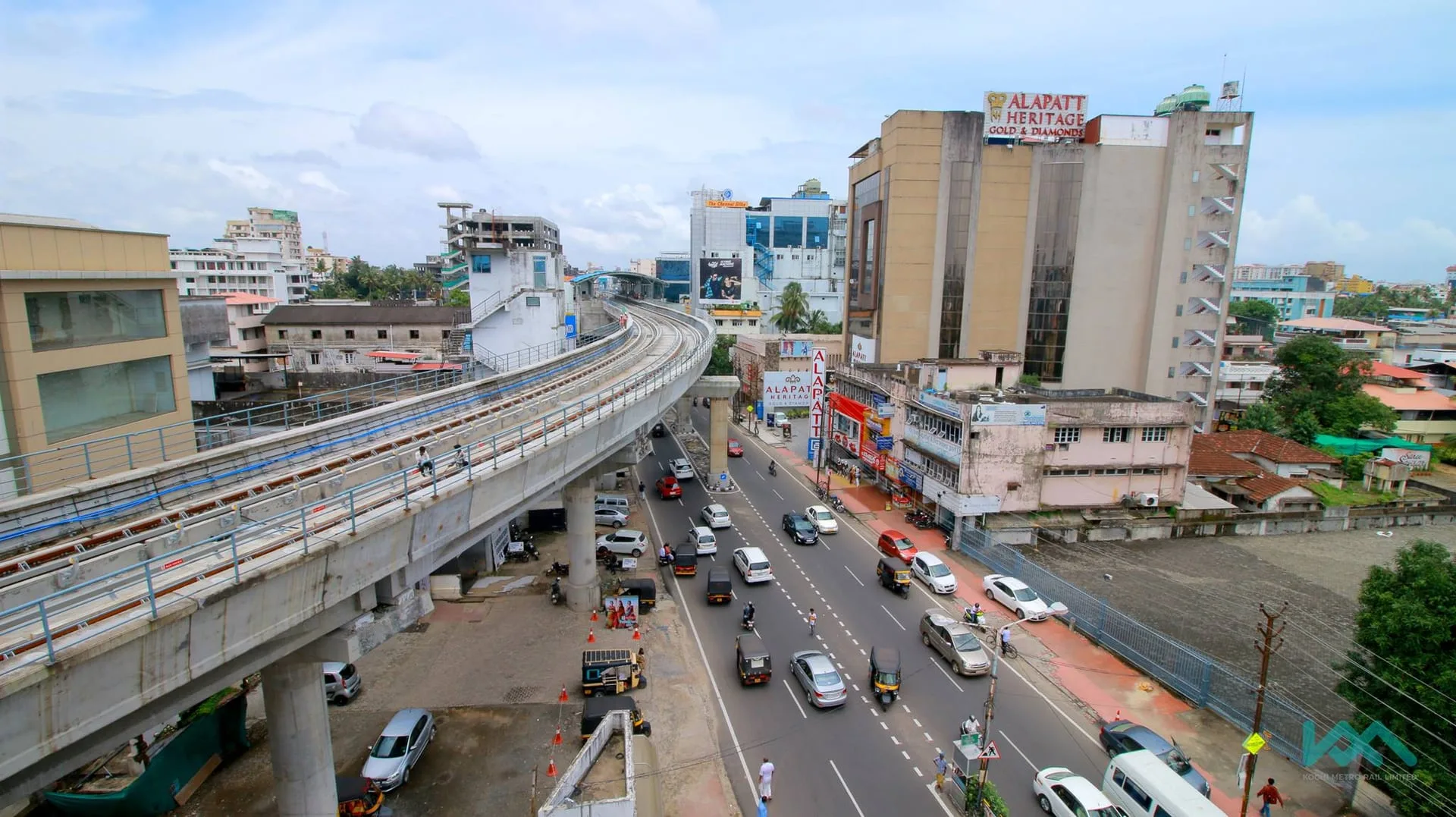
MG Road
Mahatma Gandhi Road (MG Road) is the commercial heart of Ernakulam — a bustling stretch running through the city centre, lined with shops, restaurants, cinemas, and hotels. It's the main shopping destination in Kochi, offering everything from branded clothing and electronics to traditional Kerala textiles, gold jewellery, and spices.
The street comes alive in the evenings with colourful storefronts, street food stalls, and a vibrant atmosphere. Broadway Market, just off MG Road, is a labyrinth of narrow alleys packed with spice shops, fabric stores, and flower vendors — a sensory overload and a must-visit for the authentic Kochi market experience. MG Road connects to Marine Drive at its western end, making it easy to combine shopping with a waterfront stroll.
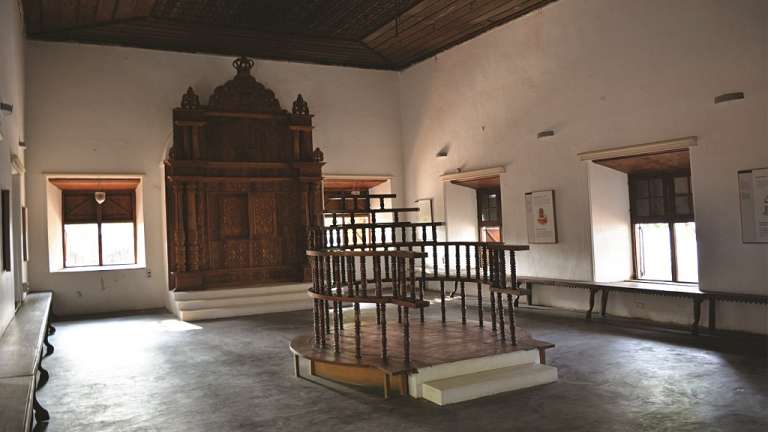
Kerala Jews Lifestyle Museum (Paravur Synagogue)
The Paravur Synagogue, located in North Paravur about 25 km north of Kochi, has been restored and converted into the Kerala Jews Lifestyle Museum — a unique museum dedicated to preserving the history, culture, and daily life of Kerala's ancient Jewish community.
Originally built in 1615, the synagogue is one of the oldest in India. The museum within its walls showcases artifacts, photographs, household items, religious objects, and documents that trace the story of the Malabar Jews — their arrival in Kerala over 2,000 years ago, their integration into local life, their thriving trade networks, and their eventual emigration to Israel in the mid-20th century.
The beautifully restored building itself is an exhibit — traditional Kerala architecture with Jewish religious elements, including an ornate Torah ark, wooden balconies, and period furnishings. The museum offers a poignant window into a community that profoundly shaped Kochi's cosmopolitan identity.
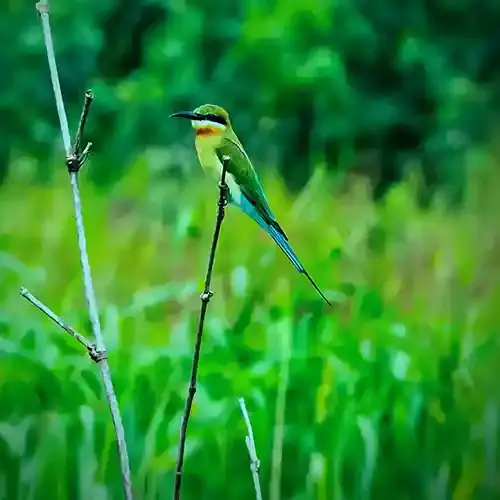
Thattekkad Bird Sanctuary (Salim Ali Bird Sanctuary)
The Thattekkad Bird Sanctuary, officially known as the Salim Ali Bird Sanctuary, is a 25 sq km tropical forest reserve on the banks of the Periyar River, about 60 km northeast of Kochi. Named after Dr Salim Ali — the 'Birdman of India' — who called it the richest bird habitat on peninsular India, the sanctuary was established in 1983.
Over 320 species of birds have been recorded here, including the Sri Lanka frogmouth, Malabar grey hornbill, rose-billed roller, Jerdon's nightjar, Indian pitta, and a variety of kingfishers, flycatchers, and woodpeckers. The sanctuary is also home to rare species like the Ceylon frogmouth and the Malabar trogon. Dawn and dusk are the best times for birdwatching, with experienced local guides available at the entrance.
Beyond birds, the sanctuary's lush riparian forests harbour elephants, leopards, bison, and several species of snakes and butterflies. Well-maintained walking trails wind through the forest, and the serene Periyar riverbank makes for excellent nature photography. Thattekkad is a must-visit for birdwatchers and nature enthusiasts visiting Kerala.
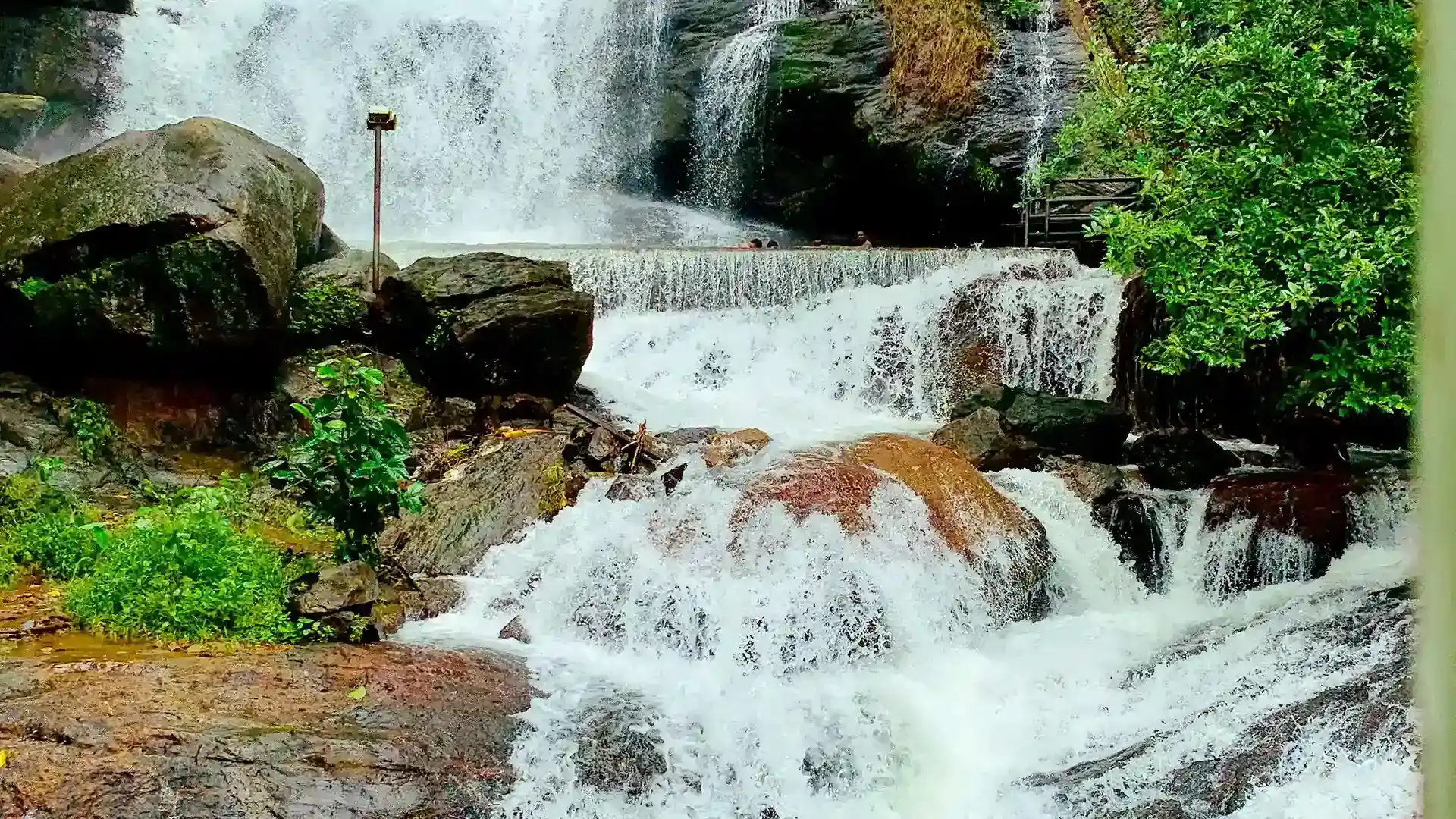
Areekkal Waterfalls & Kochareekkal Caves
Areekkal Waterfalls is a hidden gem tucked away in the forested hills of Ernakulam district, near Kuttampuzha — about 70 km east of Kochi. The waterfall cascades down a series of rocky tiers surrounded by dense tropical forest, creating natural pools at each level. The trek to the falls — through plantations and forest trails — is part of the experience, offering glimpses of butterflies, birds, and the occasional Malabar giant squirrel.
Nearby lie the Kochareekkal Caves, a cluster of natural rock caves believed to have been used as shelters by ancient tribal communities. The caves sit amid thick vegetation on a hillside, and local legends connect them to the Pandavas of the Mahabharata. The formations inside — worn smooth by centuries of water seepage — give the caves an almost sculptural quality. Together, the waterfalls and caves make for an excellent off-the-beaten-path day trip from Kochi for trekking and nature enthusiasts.
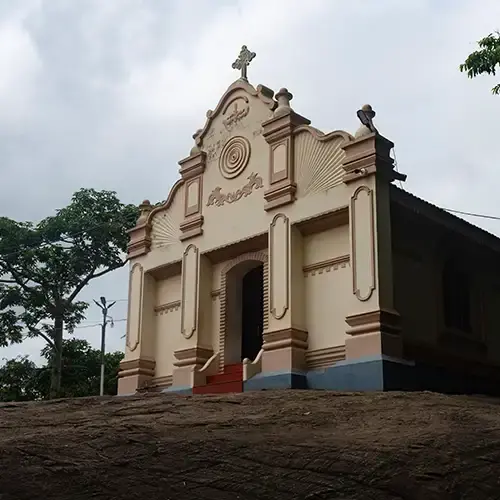
Malayattoor Church (St Thomas Syro-Malabar Church)
Malayattoor Church, perched atop a 609-metre hill about 50 km northeast of Kochi, is one of the most important Christian pilgrimage centres in India. According to tradition, the Apostle St Thomas landed on the Malabar coast in 52 AD, travelled to Malayattoor, prayed on this hilltop, and left his footprint and the mark of his cross on a rock — the relic that the church is built around.
The main church, dedicated to St Thomas, sits at the summit and is reached by a steep flight of steps through dense forest. Pilgrims — many carrying large wooden crosses on their shoulders — make the climb especially during the Malayattoor Feast in April, which draws hundreds of thousands of devotees over several days. A smaller chapel halfway up marks the spot where St Thomas is believed to have rested.
The hilltop offers sweeping views of the surrounding Western Ghats, the Periyar River valley, and miles of rubber and spice plantations. The forest around the hill is rich in wildlife, and the entire setting — mist, greenery, and the sound of hymns drifting up the hill — makes Malayattoor a moving experience even for non-pilgrims.
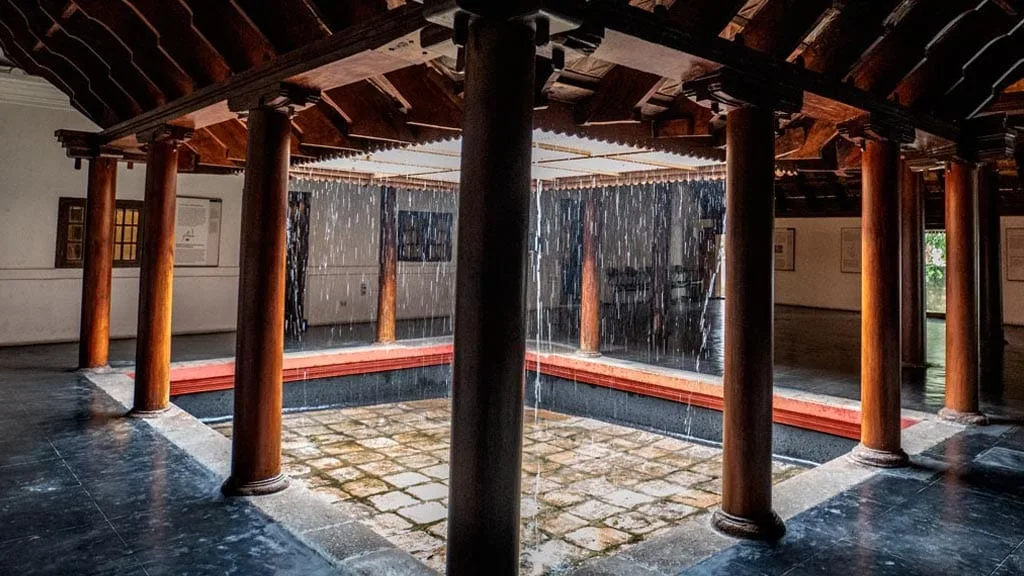
Paliam Nalukettu Museum (Paliam Palace)
The Paliam Nalukettu, located in Chendamangalam about 35 km north of Kochi, is the ancestral palace of the Paliam family — the hereditary prime ministers (Paliath Achans) of the erstwhile Kingdom of Cochin. Now preserved as a museum, the nalukettu (traditional Kerala courtyard mansion) offers a rare window into the political power, daily life, and cultural refinement of a Nair aristocratic household that wielded enormous influence for over four centuries.
The museum displays a rich collection of artifacts including royal decrees (olachudus), ancient coins, weapons, furniture, ceremonial utensils, and personal effects of the Paliath Achans. One of its prized possessions is the original 'Cochin Royal Charter' — a set of copper-plate inscriptions granting trade and governance privileges. The architecture itself is an exhibit: carved wooden ceilings, granite pillars, traditional tile roofs, and an open central courtyard that captures the essence of Kerala's heritage home design.
The Chendamangalam heritage complex around the nalukettu includes a Jewish synagogue, a Jesuit church, a mosque, and a Hindu temple — all within a few hundred metres of each other — making it a remarkable testament to Kerala's pluralistic history. A weaving centre nearby keeps alive the Chendamangalam handloom tradition, famous for its fine cotton saris with golden borders.
Suggested Itineraries
One Day in Ernakulam/Kochi
Morning: Fort Kochi — Chinese fishing nets, St. Francis Church, Dutch Cemetery → Afternoon: Mattancherry Palace, Jewish Synagogue, Jew Town → Evening: Marine Drive sunset, Kathakali show
2–3 Days in Ernakulam/Kochi
Day 1: Fort Kochi heritage walk, street art, museums · Day 2: Hill Palace Museum, Cherai Beach, Bolgatty Island · Day 3: Backwater cruise to Alleppey, or day trip to Munnar
Local Flavor
Food
Kochi is a food lover's paradise — try the Malabar Biryani, fresh seafood at Fort Kochi, Puttu & Kadala Curry, and Kerala Parotta with Beef Fry at local toddy shops.
Festivals
The Kochi-Muziris Biennale is Asia's largest contemporary art exhibition held in Fort Kochi. The Cochin Carnival on New Year's Eve features street parades and fireworks.
Crafts & Traditions
Fort Kochi is a hub for contemporary art galleries. The area around Jew Town is famous for antiques, spice shops, and handloom textiles.