Überblick
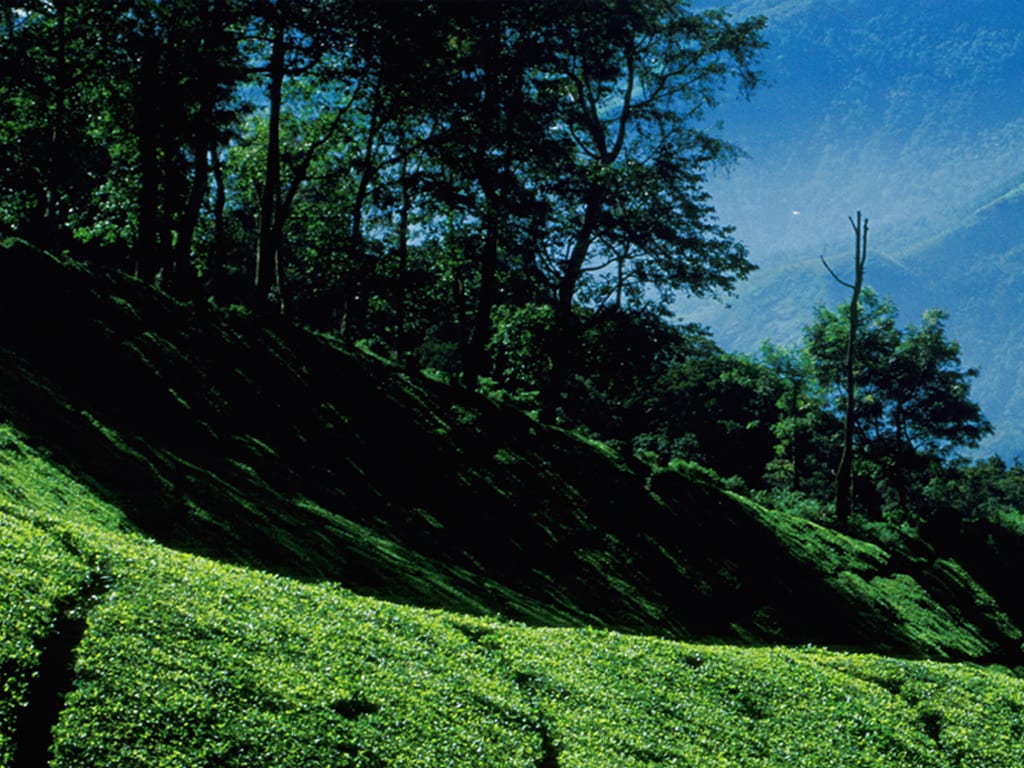
Idukki is Kerala's largest district by area and its most mountainous, home to the rolling tea plantations of Munnar, the tiger reserves of Periyar, Asia's first arch dam, and some of the highest peaks in the Western Ghats. From spice gardens and bamboo rafting in Thekkady to paragliding over Vagamon's meadows, Idukki is a paradise for nature lovers and adventure seekers.
Top-Attraktionen
Munnar
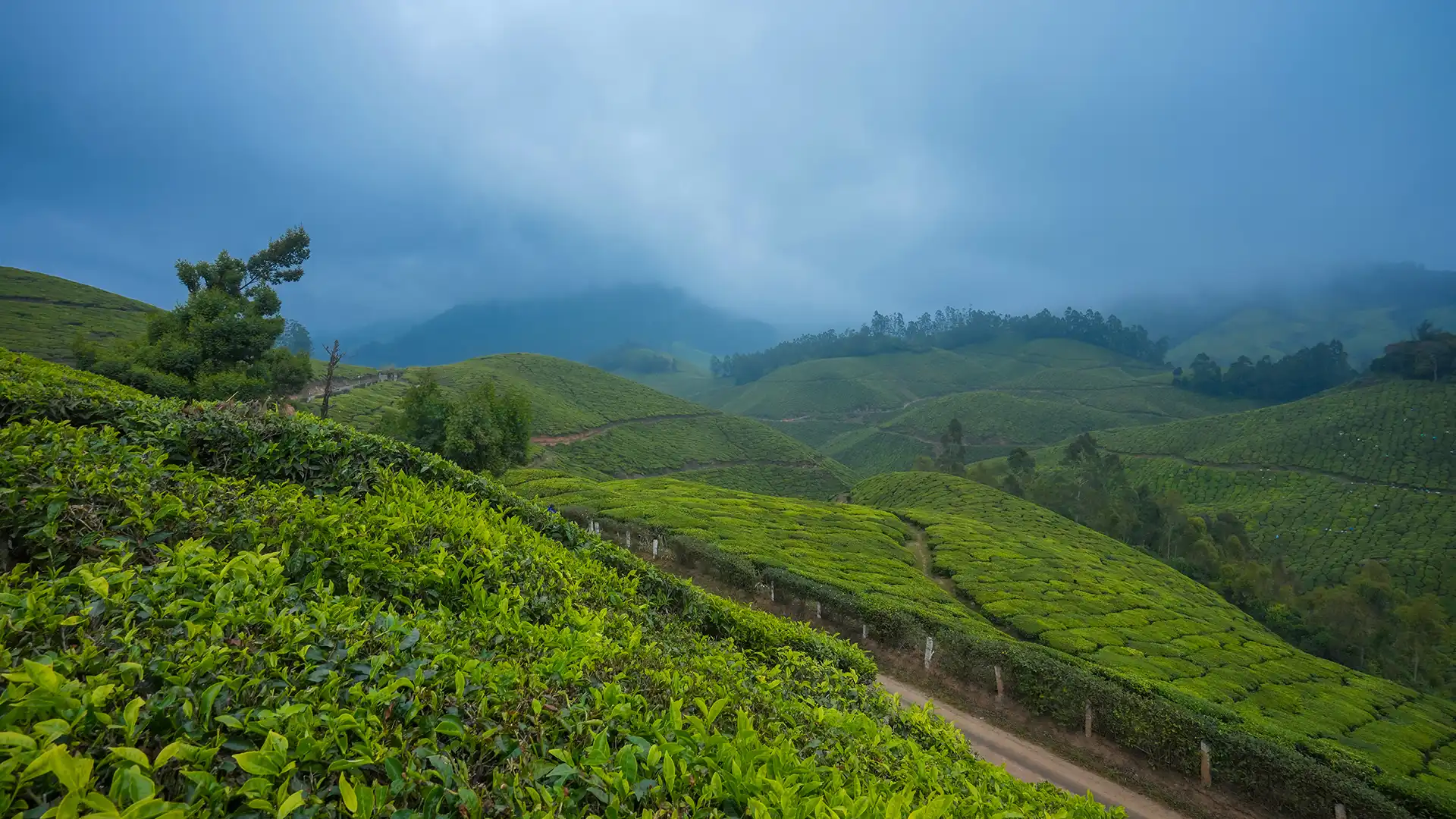
Munnar is Kerala's most famous hill station, draped in rolling tea plantations that stretch endlessly across misty peaks at about 1,600 metres above sea level. Once the summer retreat of the British colonial government, Munnar today draws visitors with its cool climate, stunning scenery, and adventure activities.
The town is surrounded by vast tea estates — the Kanan Devan Hills, now managed by Tata Tea, are among the largest tea plantations in India. A visit to the Tea Museum in Munnar offers a fascinating look at the history of tea cultivation in the region, with original machinery from the 1880s still on display.
Top View Point, Photo Point, Mattupetty Dam, Echo Point, and Kundala Lake are popular stops on the Munnar sightseeing circuit. For adventure seekers, there's trekking to Anamudi (the highest peak in South India at 2,695m), mountain biking, and rock climbing.
Idukki Dam
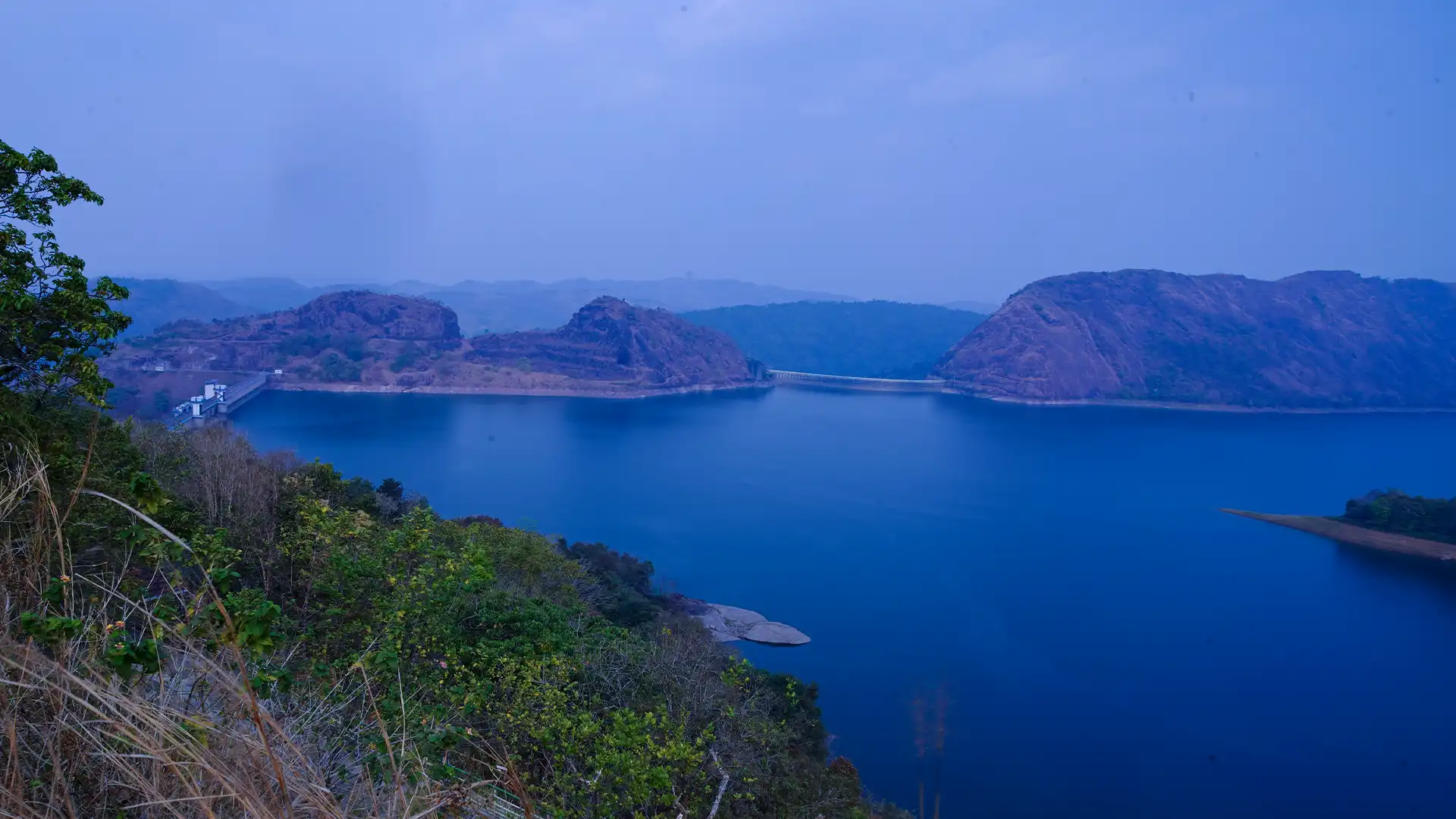
Idukki Dam is one of the highest arch dams in Asia, built across the Periyar River between two granite hills — Kuravan and Kurathi. At 168 metres tall, the dam creates the Idukki Reservoir, a massive body of water nestled in the heart of the Western Ghats.
The dam and the surrounding Idukki Wildlife Sanctuary offer stunning views of the reservoir, the forested hills, and the deep valleys. The area is home to elephants, bison, sambar deer, and a rich variety of birdlife. The Idukki Arch Dam viewpoint provides a dramatic perspective of the curved structure and the gorge below.
Periyar Wildlife Sanctuary (Thekkady)
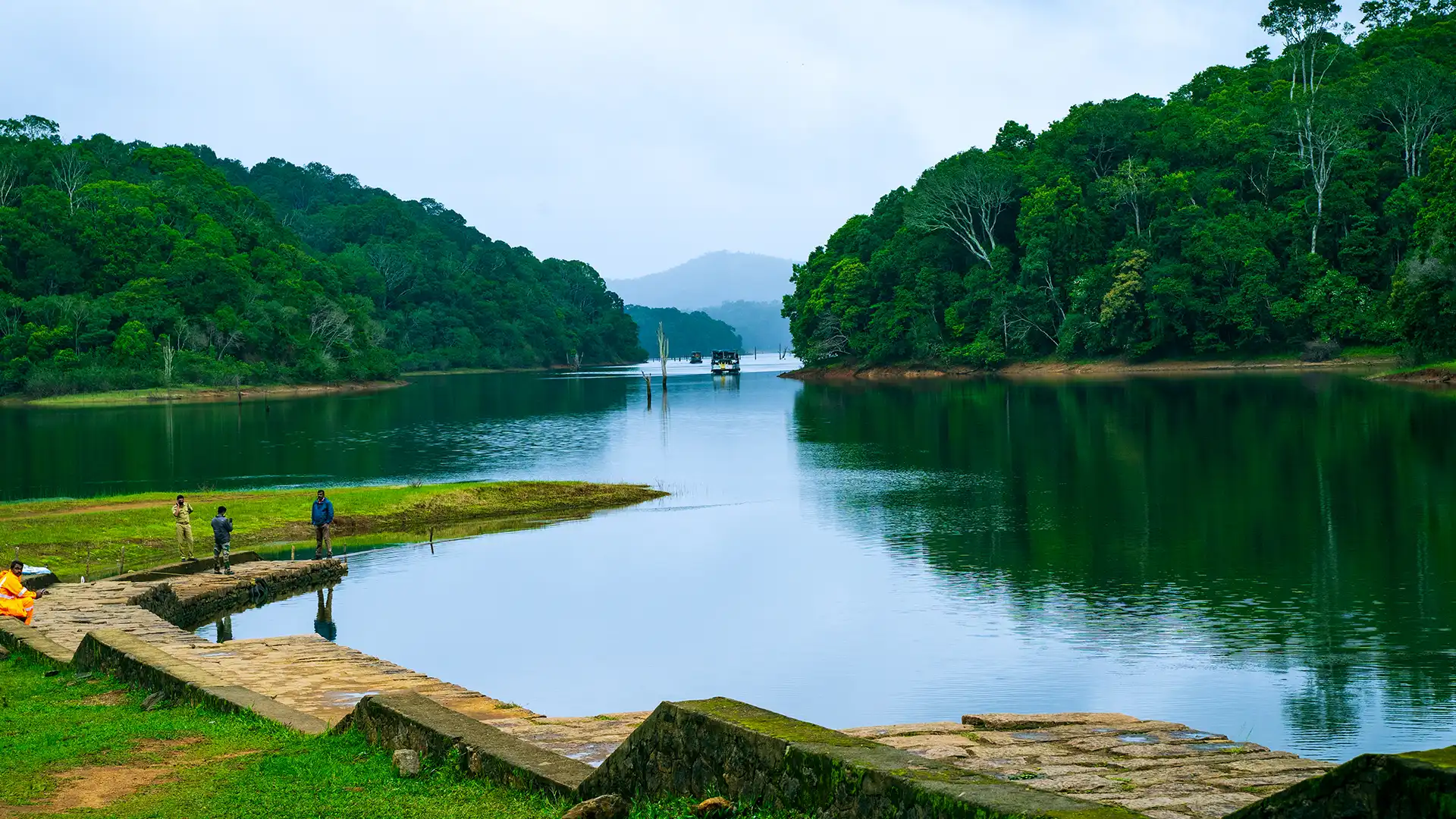
Periyar Wildlife Sanctuary in Thekkady is one of India's finest tiger reserves and one of the few places where you can take a boat safari through a wildlife reserve. The sanctuary is centred around Periyar Lake — an artificial lake created by the Mullaperiyar Dam — surrounded by dense evergreen and deciduous forests.
Boat safaris on Periyar Lake are the main attraction — as the boat glides along the shore, you can spot wild elephants bathing, sambar deer, gaur (Indian bison), langurs, and a variety of waterbirds. Tiger sightings are rare but the reserve is home to a healthy population.
Beyond the boat safari, Thekkady offers spice plantation tours (cardamom, pepper, cinnamon, clove), bamboo rafting, border hiking, and the Periyar Tiger Trail — a multi-day trek deep into the forest with armed guards. The Kadathanadan Kalari Centre stages traditional martial arts (Kalaripayattu) shows in the evenings.
There are many resorts and hotels in Thekkady where you can stay for a few days and enjoy jungle experiences.
Eravikulam National Park
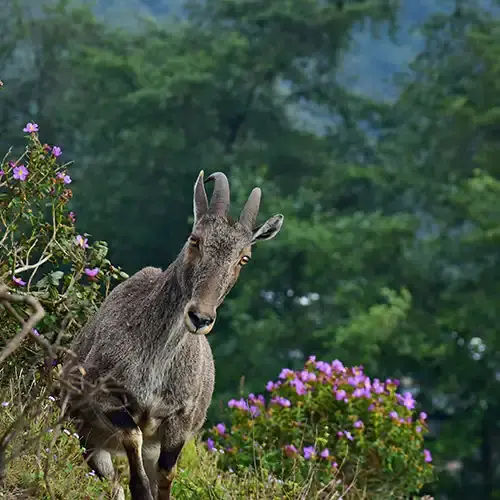
Eravikulam National Park, just 15 km from Munnar, is the last stronghold of the endangered Nilgiri Tahr — a mountain goat endemic to the Western Ghats. The park protects the high-altitude grasslands and shola forests on the slopes of Anamudi, the highest peak in South India (2,695m).
The Nilgiri Tahr here are remarkably unafraid of humans, often grazing within a few metres of visitors on the park trails. During the blooming season (roughly once every 12 years), the rolling hills burst into a spectacular carpet of blue Neelakurinji flowers — the last bloom was in 2018.
The park is open to visitors via a shuttle bus from the entry gate. The trails wind through the grasslands with panoramic views of the surrounding hills and valleys.
Chinnar Wildlife Sanctuary
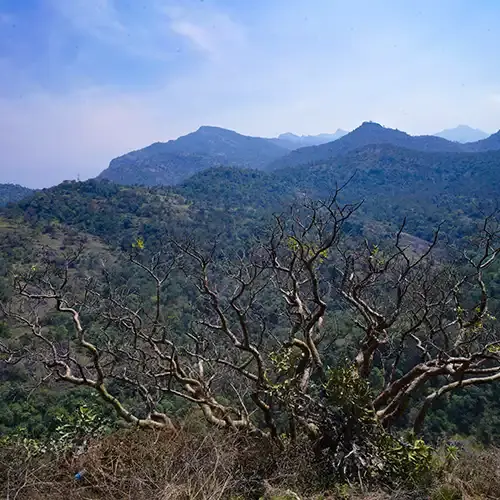
Chinnar Wildlife Sanctuary lies in the rain shadow region of the Western Ghats, about 60 km north of Munnar — its dry deciduous and thorn forests are strikingly different from the lush green landscape of the rest of Idukki. The sanctuary is one of the last remaining habitats of the endangered Indian star tortoise.
The sanctuary offers excellent trekking opportunities — the Thoovanam Waterfalls trek (8 km round trip) passes through tribal settlements and dry forest, ending at a beautiful waterfall in a rocky gorge. The sanctuary is also home to grizzled giant squirrels, elephants, spotted deer, and bonnet macaques.
Chinnar Wildlife Sanctuary offers a range of activities and experiences that cater to different interests:
Wildlife Safaris and Trekking: Guided wildlife safaris and trekking trails are one of the best ways to explore the sanctuary and observe its diverse flora and fauna. The guided treks take visitors through various habitats, offering opportunities to spot wildlife, enjoy scenic views, and learn about the region's ecology and conservation efforts.
Thoovanam Waterfalls Trek: One of the popular trekking routes in the sanctuary leads to the picturesque Thoovanam Waterfalls. The trek offers stunning views of the falls and the surrounding landscape, providing a refreshing and memorable experience.
Bird Watching: With its rich avian diversity, Chinnar is a haven for bird watchers. Guided bird-watching tours are available, led by experienced naturalists who provide insights into the behavior and characteristics of different bird species.
Cultural Visits: The sanctuary is home to several indigenous tribal communities, including the Muthuvas and Hill Pulayas. Visitors can learn about the traditional lifestyle, culture, and practices of these communities through organized cultural visits and interactions.
Ramakkalmedu
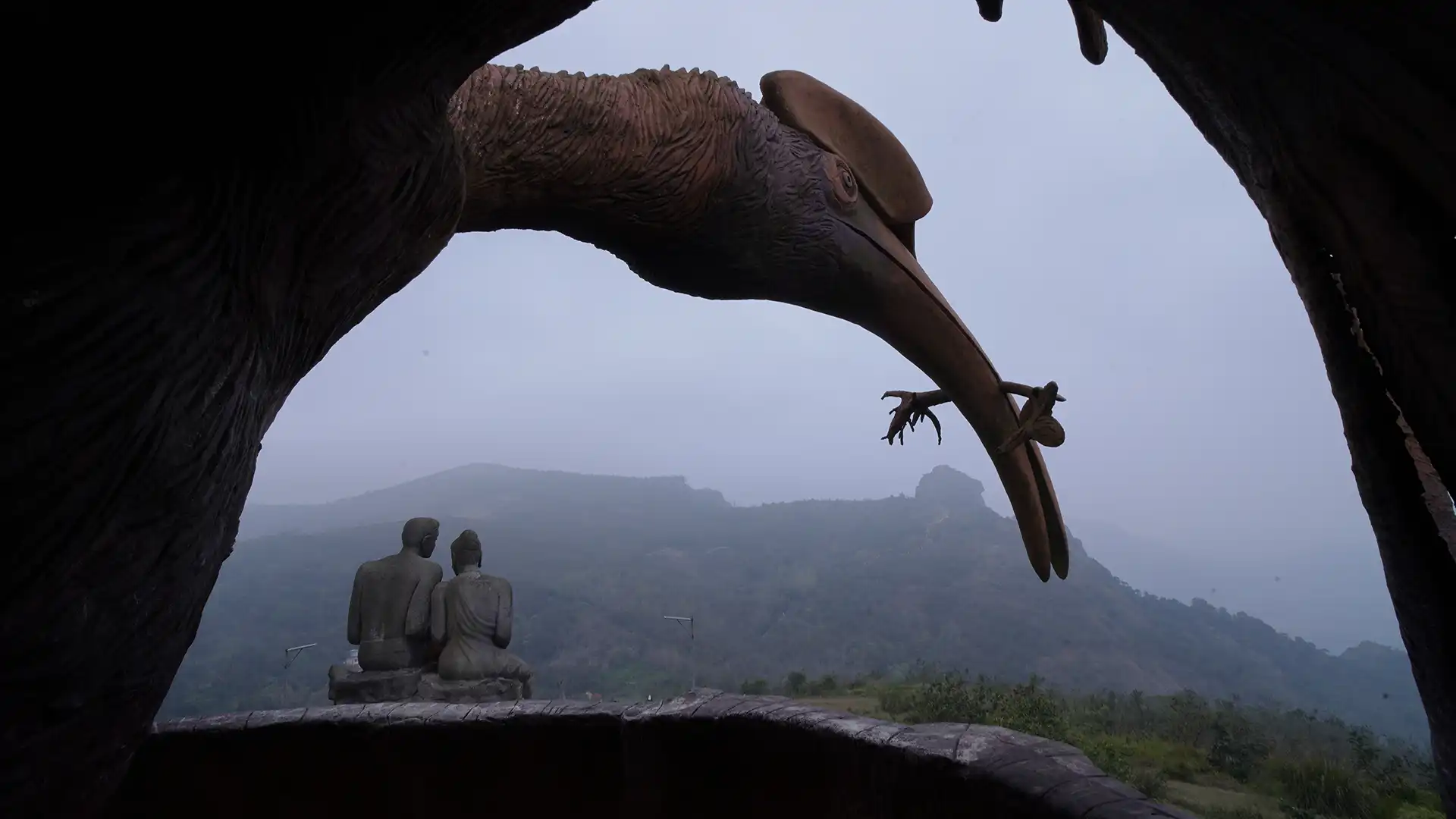
Ramakkalmedu is a windswept plateau on the Kerala–Tamil Nadu border offering some of the most dramatic panoramic views in the Western Ghats. Standing at about 1,100 metres, the plateau provides unobstructed 180-degree views of the Tamil Nadu plains stretching to the horizon — a stunning sight especially at sunrise and sunset.
The plateau is one of the windiest spots in Kerala and has a wind farm with rows of turbines. A large statue of Kuravan and Kurathi (legendary tribal figures) stands at the viewpoint. The area is also associated with the Mahabharata legend — Rama is said to have placed a stone (kallu) here.
Kolukumalai
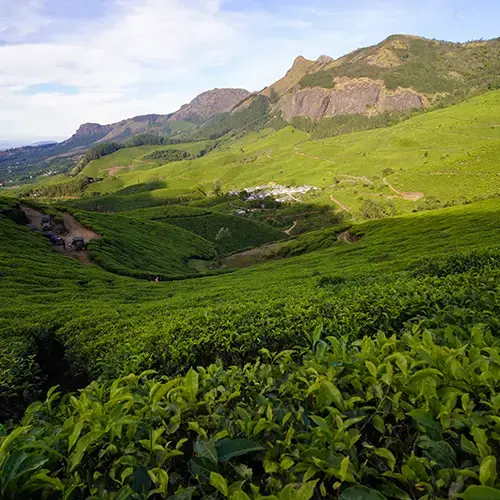
Kolukumalai is home to the world's highest organic tea plantation, perched at about 2,400 metres above sea level on the Kerala–Tamil Nadu border. The jeep ride to the top is an adventure in itself — a steep, rough trail through tea estates and eucalyptus forests with hairpin bends and jaw-dropping valley views.
The tea factory at the summit is one of the oldest in the region, still using original British-era machinery. Fresh tea made from leaves plucked at this altitude has a distinctive flavour. On clear mornings, the sunrise from Kolukumalai is legendary — a sea of clouds fills the valleys below while the peaks glow golden.
Various trekking, hiking, camping, and resort stay options are available at Kolukumalai, making it a great destination for nature lovers and adventure seekers alike.
Meesappulimala
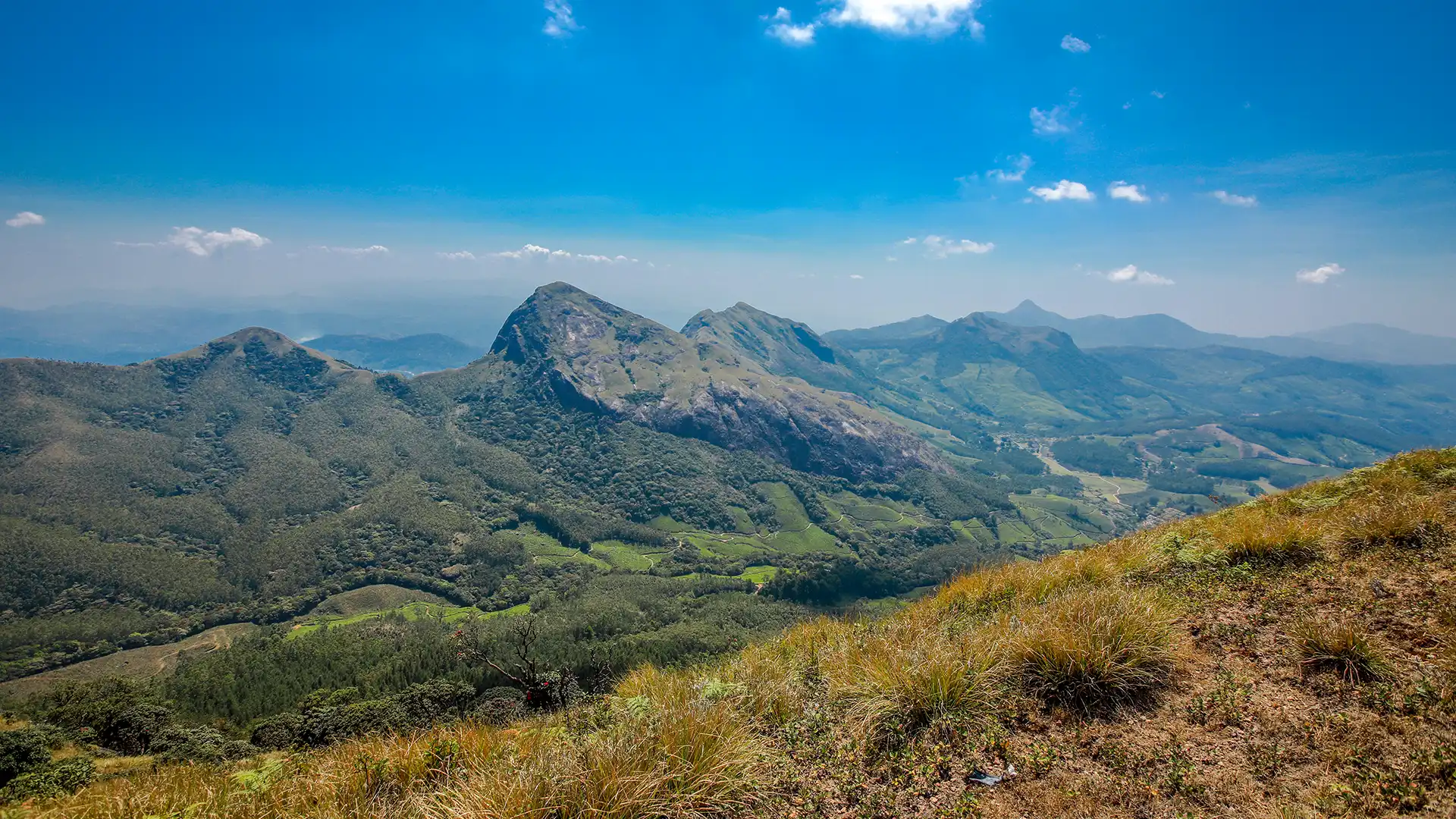
Meesappulimala is the second highest peak in the Western Ghats at 2,640 metres, and one of the most rewarding treks in Kerala. The trail starts from Rhodo Valley near Munnar and winds through shola forests, rolling grasslands, and exposed ridges with panoramic views in every direction.
The trek is about 10–12 km round trip and takes a full day. The summit offers 360-degree views — on clear days you can see the plains of Tamil Nadu, the peaks of Anamudi and other Western Ghats summits, and a vast landscape of grasslands and shola forest patches. A forest department guide is mandatory.
A UNESCO World Heritage Site and a center of diversity, Meesapulimala is one of the most incredible tourist destinations, located about 24 kilometres from Munnar in Kerala. Meesapulimala is also where the famed Neelakurunji flowers bloom once every 12 years.
A trek through Meesapulimala comprises an eight-hill trek through shared borders between Tamil Nadu and Kerala. An alluring trek, it will lead you across rivulets, sholas, pine forests and vast mountain ranges.
Peerumedu
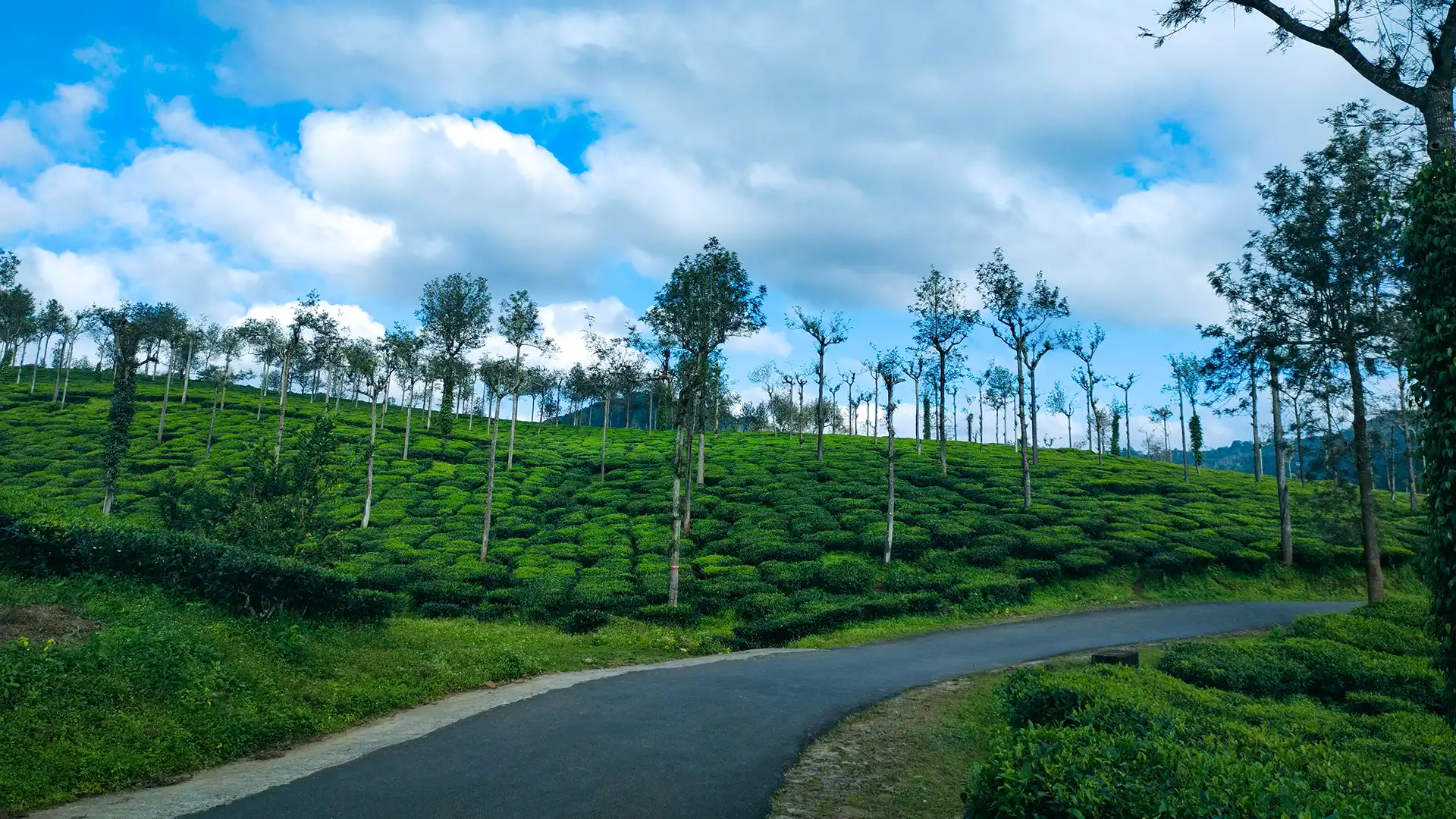
Peerumedu is a quiet hill station at about 1,000 metres, named after the Sufi saint Peer Mohammed. Once a summer retreat for the Travancore royal family, the town retains a colonial charm with its bungalows, churches, and sprawling plantations of tea, coffee, cardamom, and rubber.
The area around Peerumedu offers several waterfalls and viewpoints — Kuttikkanam and Panchalimedu (a hilltop viewpoint linked to the Pandava legends) are nearby. Thrissanku Hills and Grampi are popular trekking destinations with mist-covered views of the surrounding valleys.
There’s plenty to do in Peerumedu, from horseback riding to biking or trekking. Some of the other places to visit around the hill station are Kuttikanam, Peeru Hills, Pattumala, Thrissanku Hills, Karandakapara Hills and Grampi. An ideal vacation spot even in the summer with temperatures hovering between 10 and 15°C, Peerumedu is worth exploring.
Devikulam
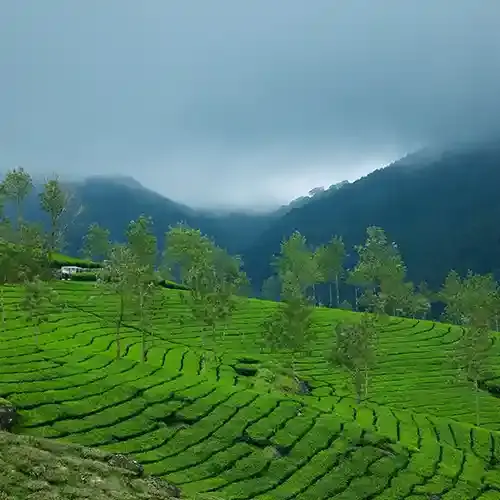
Devikulam is a serene hill town about 7 km from Munnar, known for its tranquil Sita Devi Lake — a natural spring-fed lake surrounded by tea estates and lush greenery. According to legend, Sita (from the Ramayana) bathed in this lake, giving it its sacred status.
The calm waters of the lake, the surrounding tea plantations, and the cool mountain air make Devikulam a peaceful escape from the busier Munnar town. The area is also popular for trout fishing (seasonal) and short treks through the tea estates.
Kalvari Mount
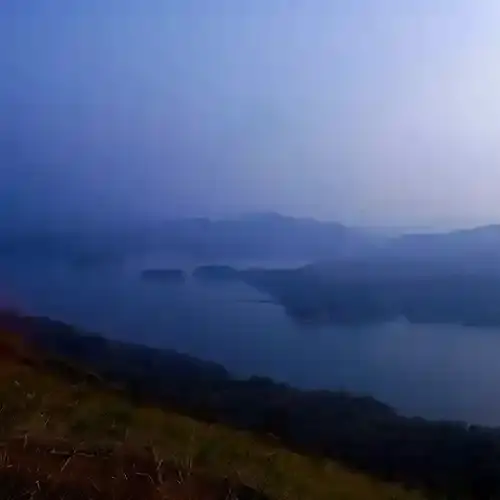
Kalvari Mount (Calvary Mount) is a hilltop near Idukki town crowned with a large cross and a small chapel. A steep stairway of about 300 steps leads to the summit, which offers sweeping views of the Idukki reservoir, the arch dam, the surrounding forested hills, and the town below.
The viewpoint is especially dramatic during sunset and after the monsoon when the reservoir is full and the hills are lush green. It's a popular spot for both pilgrims and tourists looking for a panoramic vantage point of the Idukki landscape.
Idukki Wildlife Sanctuary
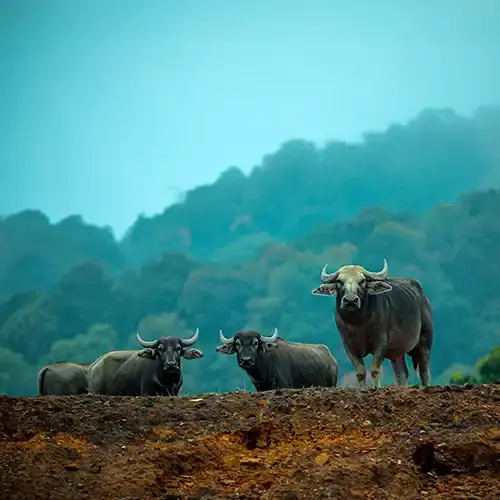
The Idukki Wildlife Sanctuary is a protected area that encompasses the dense forests surrounding the Idukki reservoir and dam. The sanctuary is home to a rich variety of flora and fauna, including elephants, tigers, leopards, sambar deer, and a wide range of bird species. The sanctuary's diverse habitats include evergreen and deciduous forests, grasslands, and rocky outcrops.
Visitors to the sanctuary can enjoy guided nature walks, bird watching, and wildlife spotting. The sanctuary is also an important area for conservation efforts, particularly for the protection of elephants and other large mammals. The Idukki Wildlife Sanctuary offers a unique opportunity to experience the natural beauty and biodiversity of the Western Ghats in the heart of Idukki.
The ecotourism activities conducted by the forest department here are an ideal option for those who wish to explore the wilderness and its beauty in depth. The diversity of the habitats within this sanctuary is astonishing. Sightings of elephants, bison, sambar deer, wild dogs, jungle cats, tigers and wild boar along with various species of snake including cobras, vipers, kraits and many non-poisonous snakes are commonplace here. There is also a vibrant range of bird species found here including the Grey Jungle Fowl, Malabar Grey Hornbill, woodpeckers and bulbuls.
Panchalimedu
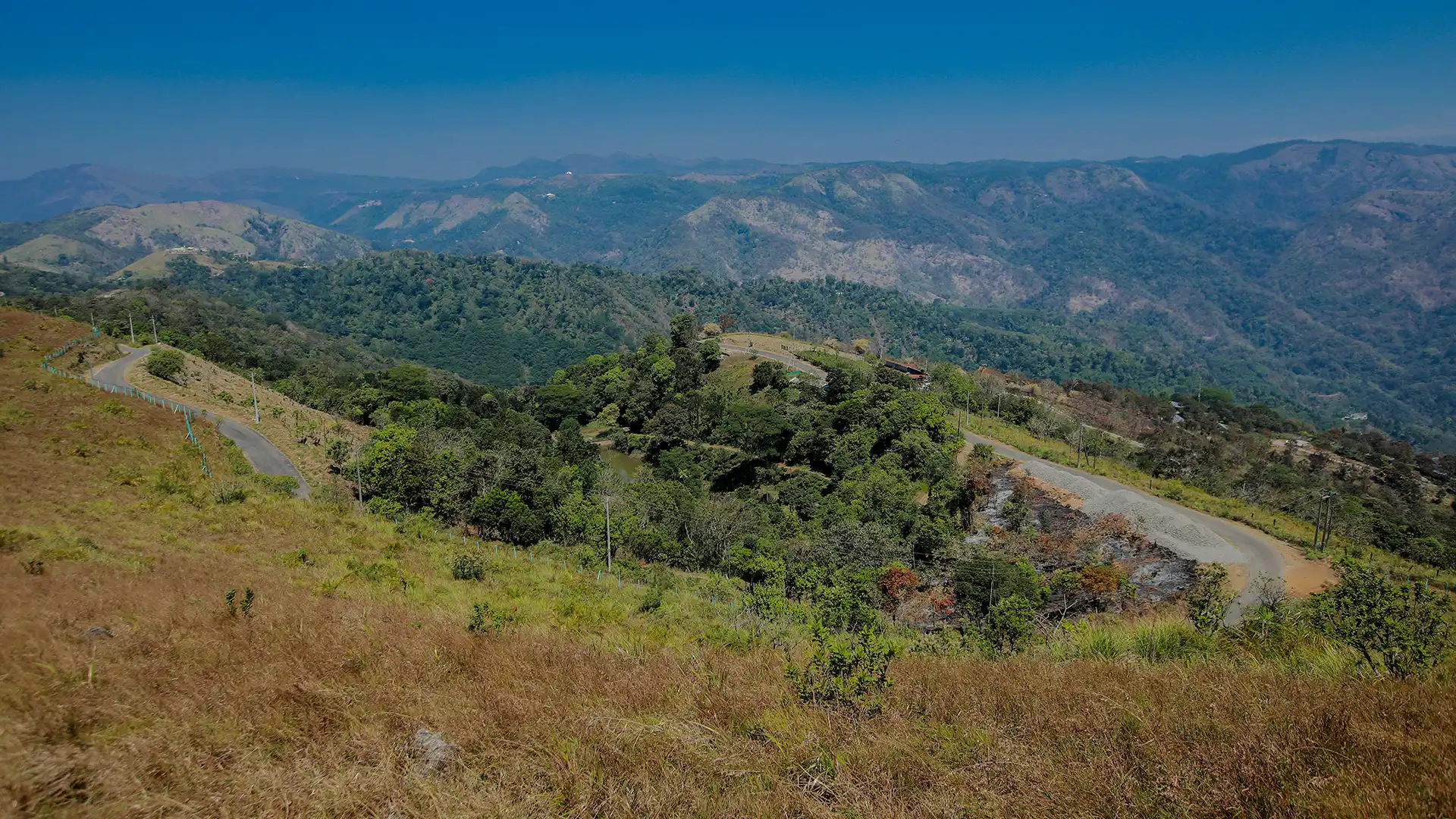
Panchalimedu is a scenic hilltop located in the Idukki district of Kerala, India.
With walkways, benches, ramps for the specially-challenged, rain shelters, restrooms and solar lighting, visitors of all ages are sure to feel welcome here.
Located about 10 km from Kuttikkanam along the Kottayam - Kumily road, Panchalimedu is more of a soft hiking spot than a challenging trekking trail. The hike is easy and suitable for people of all ages, including elders and children. A well-laid rock walkway takes visitors to the summit, with numerous benches and pillared halls along the way, providing ample spots to rest and enjoy the picturesque surroundings.
Empfohlene Reiserouten
One Day in Idukki (Munnar)
Morning: Eravikulam National Park & Tea Museum → Afternoon: Mattupetty Dam & Echo Point → Evening: Top Station for sunset over the Western Ghats
3–4 Days in Idukki
Day 1: Munnar — tea plantations, Eravikulam, Top Station · Day 2: Kolukumalai sunrise jeep ride, Devikulam, Chinnar · Day 3: Thekkady — Periyar boat safari, spice garden, Kalaripayattu · Day 4: Ramakkalmedu, Peerumedu, Panchalimedu
Lokales Flair
Essen
Idukki is famous for its spice-laden cuisine — cardamom, pepper, cinnamon, and clove farms are everywhere. Try fresh cardamom tea, lemon grass tea, and the Bamboo Chicken (chicken cooked inside bamboo).
Feste
The Thekkady Periyar Christmas/New Year celebrations draw large crowds. Munnar's flower show is a spectacular display of endemic flora.
Handwerk & Traditionen
Spice and tea products — cardamom, pepper, homemade chocolates, and hand-rolled tea are popular souvenirs from the hill stations.
Praktische Infos
Kochi International Airport (COK) — about 110 km to Munnar, 145 km to Thekkady
Aluva or Ernakulam Railway Station (for Munnar); Kottayam Railway Station (for Thekkady)
September to May (avoid heavy monsoon June–August for hill areas)