Überblick
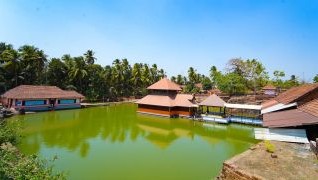
Kasaragod is Kerala's northernmost district, a land of seven languages and dramatic landscapes. From the massive Bekal Fort rising from the sea to the serene Ananthapura Lake Temple (Kerala's only lake temple), Kasaragod offers an offbeat experience of ancient forts, untouched beaches, and misty hills at Ranipuram.
Top-Attraktionen
Bekal Fort
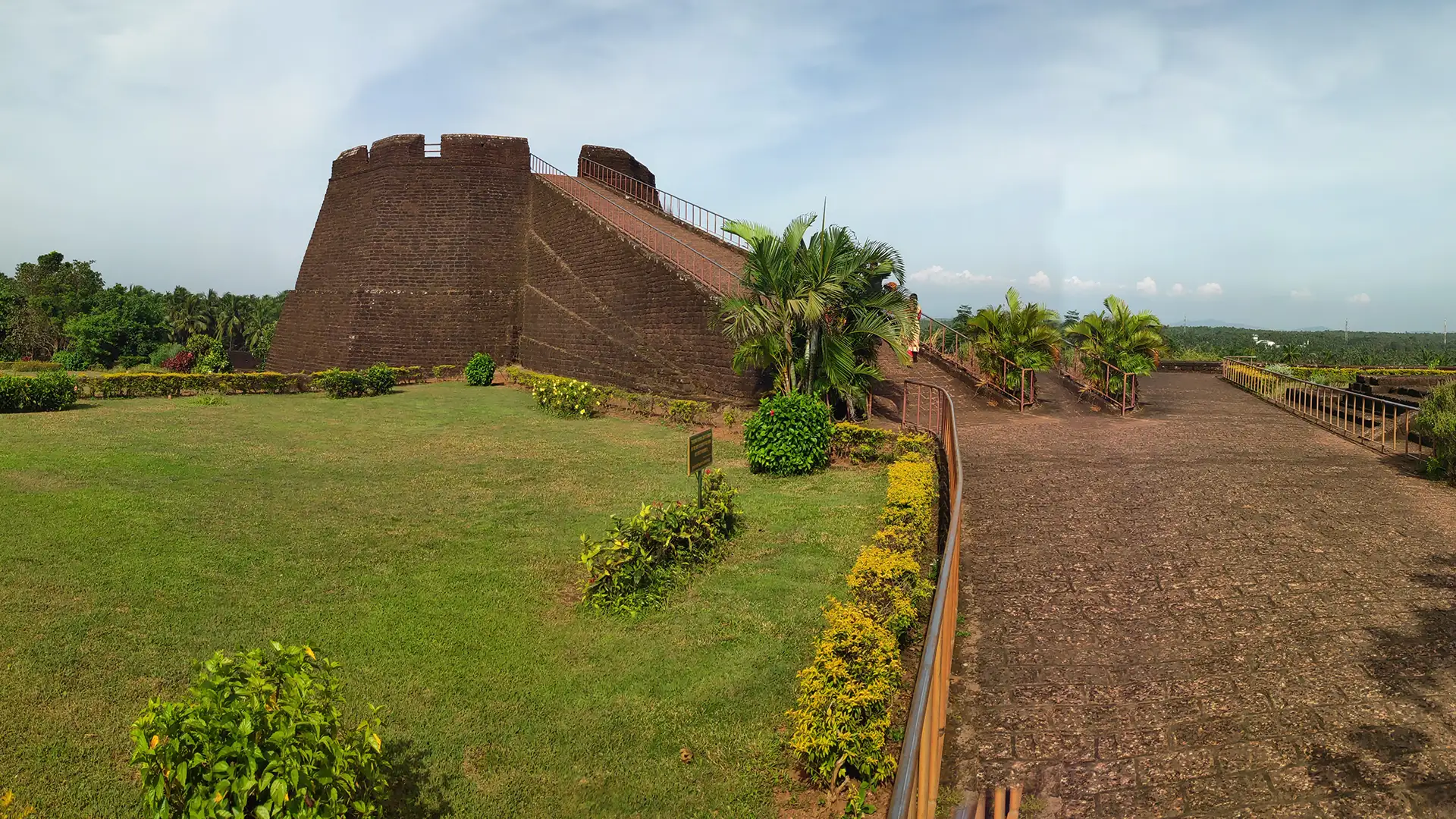
Bekal Fort is the most iconic landmark of Kasaragod and the largest fort in Kerala, sprawling over 40 acres on a headland jutting into the Arabian Sea. Built in the 17th century, possibly by the Kadamba rulers and later expanded by Shivappa Nayaka of the Keladi dynasty, the keyhole-shaped fort rises dramatically from the sea with massive laterite walls and observation towers.
The fort's ramparts offer some of the most stunning coastal views in Kerala — the endless blue of the Arabian Sea on three sides, with palm-fringed Bekal Beach stretching below. A zigzag tunnel leads down to the waterline. The fort gained national fame as a Bollywood filming location (Bombay, Manichitrathazhu remake). The surrounding Bekal Fort Beach is beautifully landscaped and maintained as part of the Bekal Tourism Development Project.
Hosdurg Fort
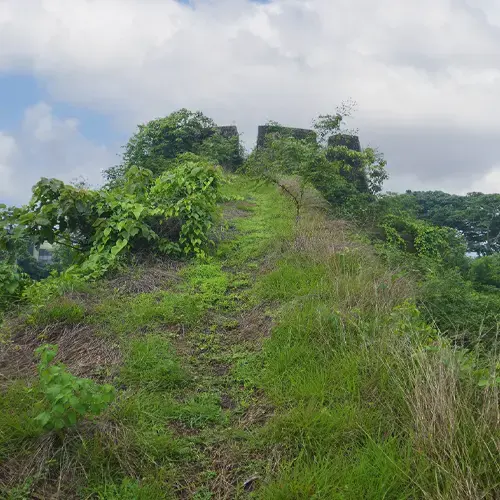
Hosdurg Fort (also known as Kanhangad Fort) is a historic fort near the town of Kanhangad, about 20 km south of Kasaragod. Built by the Somashekara Nayaka of the Keladi kingdom in the 17th century, the square laterite fort with its massive walls, corner bastions, and a large temple within its precincts has a commanding presence.
The fort grounds are well-maintained and include a temple dedicated to Goddess Durga. The annual temple festival here draws large crowds. The fort's strategic position — overlooking trade routes between the coast and the Ghats — reflects the military and commercial ambitions of its builders. It is a quieter alternative to Bekal Fort and offers a more intimate heritage experience.
Chandragiri Fort
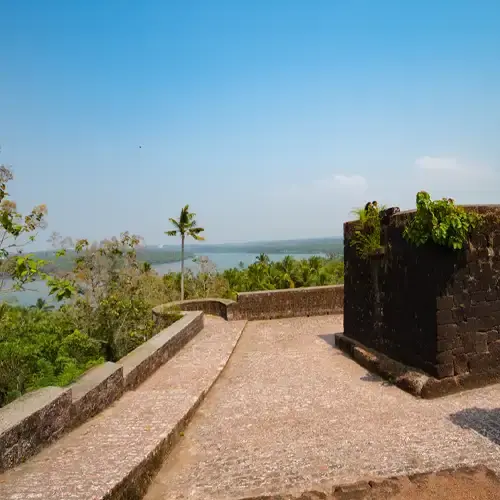
Chandragiri Fort is a scenic 17th-century fort perched at the mouth of the Chandragiri River, about 3 km from Kasaragod town. Built by Shivappa Nayaka of the Keladi dynasty, the fort's laterite walls and watchtowers command views of the river meeting the Arabian Sea — a dramatic confluence that is the highlight of the visit.
The fort grounds are peaceful, with a small mosque inside the walls — a reminder of the region's layered history. A boat ride from the fort along the river or across to the sandspit at the river mouth is a lovely experience. Chandragiri Fort is less crowded than Bekal and offers a serene, photogenic setting, especially during the golden hour.
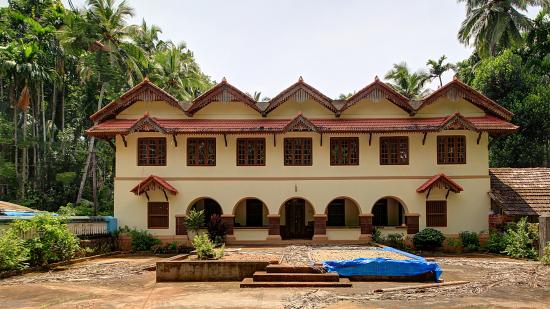
Maipady Palace
Maipady Palace is a traditional heritage palace in the Maipady area of Kasaragod district, reflecting the architectural and cultural traditions of the Tulunad region. The palace, with its characteristic Malabar-style sloping roofs, wooden pillars, and carved interiors, offers a glimpse into the feudal lifestyle of the old Kasaragod nobility.
Though smaller and less commercialised than palaces elsewhere in Kerala, Maipady Palace has heritage value as a well-preserved example of traditional north-Malabar aristocratic architecture. The surrounding area, with its paddy fields and coconut groves, adds to the old-world atmosphere.
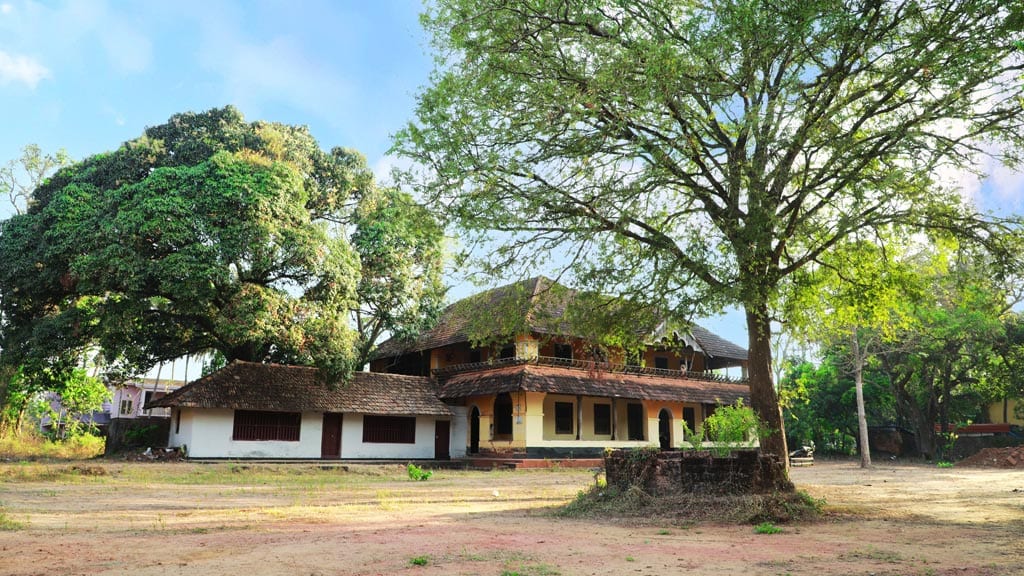
Nileshwaram Palace
Nileshwaram Palace, in the town of Nileshwaram about 30 km south of Kasaragod, was the seat of the Nileshwaram royal family — one of the important chieftain families of northern Malabar. The palace has been a cultural hub for centuries, closely linked to the Theyyam ritual art tradition and the promotion of classical arts.
The palace and its surrounding area host several Theyyam performances during the annual temple festival season (November–March). Nileshwaram itself is a charming town with a mix of Hindu temples, mosques, and churches reflecting the multicultural heritage of the Malabar Coast. The palace provides an authentic window into the feudal culture that nurtured northern Kerala's unique art forms.
Anantapura Lake Temple
Anantapura Lake Temple is one of the most unique temples in Kerala — the only lake temple in the state, believed to be the original seat (Moolasthanam) of Lord Ananthapadmanabha, whose principal shrine is the famous Padmanabhaswamy Temple in Thiruvananthapuram. The temple sits in the middle of a small, spring-fed lake, reached by a stone bridge.
Legend holds that a vegetarian crocodile has always inhabited the temple lake as the guardian of the deity — and indeed, a solitary crocodile has been documented in the lake for decades. The temple's simple, ancient architecture, the still waters of the lake, and the resident crocodile create an atmosphere of timeless mystique. It is an important pilgrimage site and an extraordinary cultural landmark.
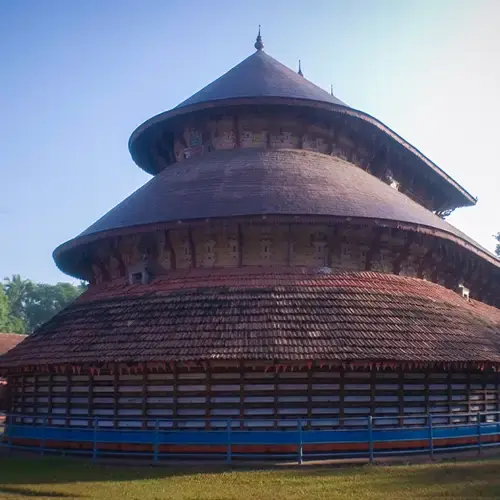
Madhur Temple
Madhur Sree Madanantheshwara Siddhivinayaka Temple, about 7 km from Kasaragod town, is one of the most famous Ganapathi (Ganesh) temples in Kerala. The temple features distinctive Malabar-style architecture with a sloping copper roof, intricately carved wooden ceilings, and a beautiful temple tank.
The temple's main festival — Madhur Madeshwara Jathre — is a grand affair attracting devotees from across the region. The carved wooden ceiling in the main hall is considered an artistic masterpiece. The temple complex, set in a serene environment with old trees and traditional architecture, is a must-visit for anyone interested in Kerala's temple heritage.
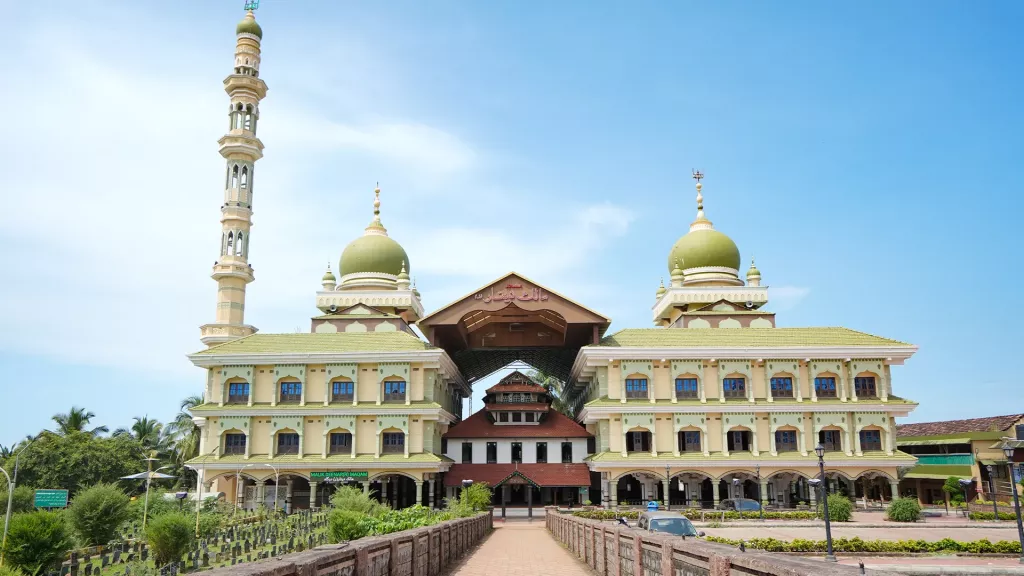
Malik Ibn Dinar Mosque, Thalangara
The Malik Ibn Dinar Mosque at Thalangara in Kasaragod is one of the oldest and most historically significant mosques in Kerala, believed to have been established by Malik Ibn Dinar — one of the first Islamic missionaries to arrive on the Indian coast. The mosque is an important landmark in the history of Islam in India.
The architecture combines traditional Kerala elements (sloping tiled roof, wooden interiors) with Islamic design. The mosque has been renovated over the centuries but retains its spiritual significance and historical aura. It is part of a chain of mosques attributed to Malik Ibn Dinar along the Malabar coast and draws visitors and pilgrims interested in Kerala's Islamic heritage.
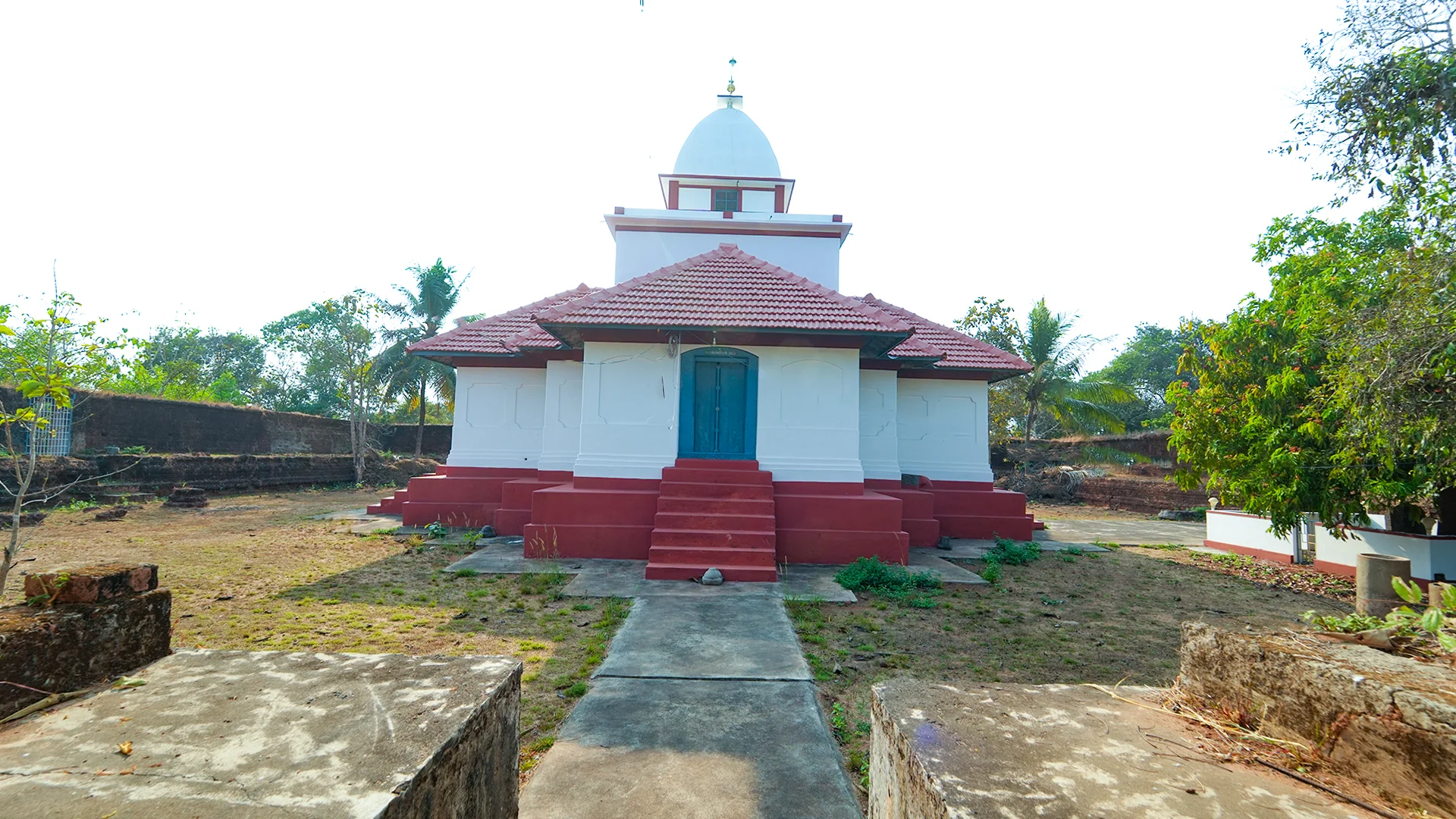
Chathurmukha Basti Jain Temple
The Chathurmukha Basti (Four-Doored Jain Temple) at Kasaragod is a rare and architecturally distinctive Jain temple, notable for its four entrances facing the four cardinal directions — an unusual design symbolising the Jain teaching of universal welcome and openness. The temple is evidence of the once-flourishing Jain community in the Kasaragod–Mangalore region.
Though modest in size, the temple is historically significant as a reminder of the Jain influence on the culture, trade, and religious landscape of the northern Malabar and Tulunad regions. The interior houses Jain tirthankara images and inscriptions. It is an important site for understanding the diverse religious heritage of Kasaragod.
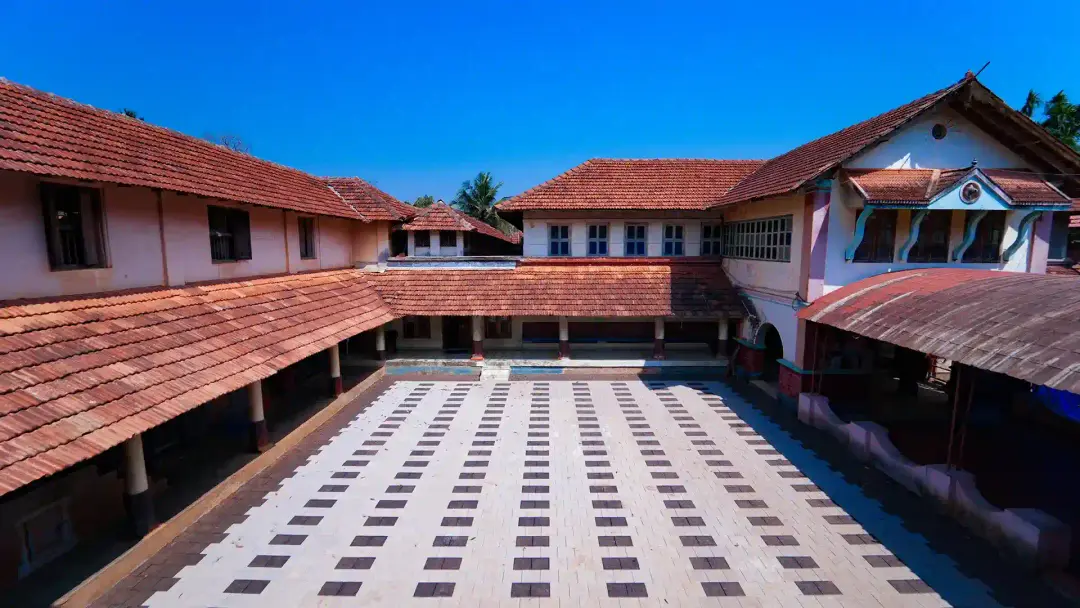
Edneer Mutt
Edneer Mutt (Monastery) is a renowned Hindu spiritual centre near Kanhangad, about 20 km from Kasaragod. The mutt has been a centre of learning, spiritual practice, and social reform for centuries, associated with the Advaita Vedanta tradition. It is considered one of the most important religious institutions in northern Kerala.
The mutt complex includes a temple, meditation halls, and living quarters, set in a serene, forested environment. It continues to be an active centre for Vedantic study and spiritual retreats. For visitors, it offers a peaceful atmosphere for reflection and an insight into the monastic traditions of the Malabar region.
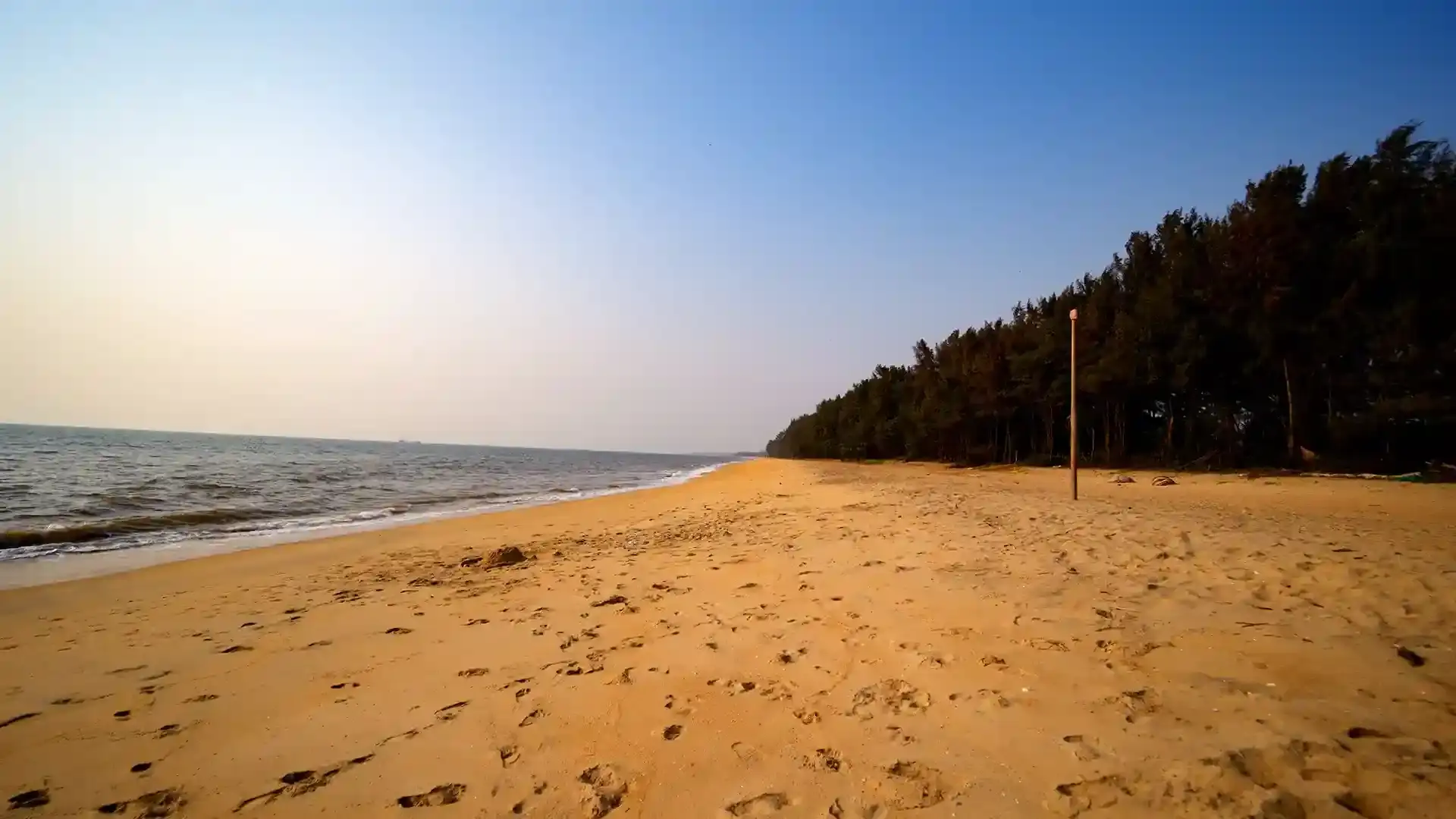
Azhithala Beach, Nileshwaram
Azhithala Beach, near Nileshwaram town, is a scenic and relatively uncrowded beach in Kasaragod district. The wide stretch of golden sand, backed by coconut palms and a quiet coastal village, offers a peaceful alternative to the more developed beaches further south.
The beach is popular for its clean sand and calm atmosphere — ideal for long walks, watching fishing boats, and enjoying sunsets without the tourist crowds. The nearby Nileshwaram town, with its palace and Theyyam traditions, adds cultural depth to a beach visit.
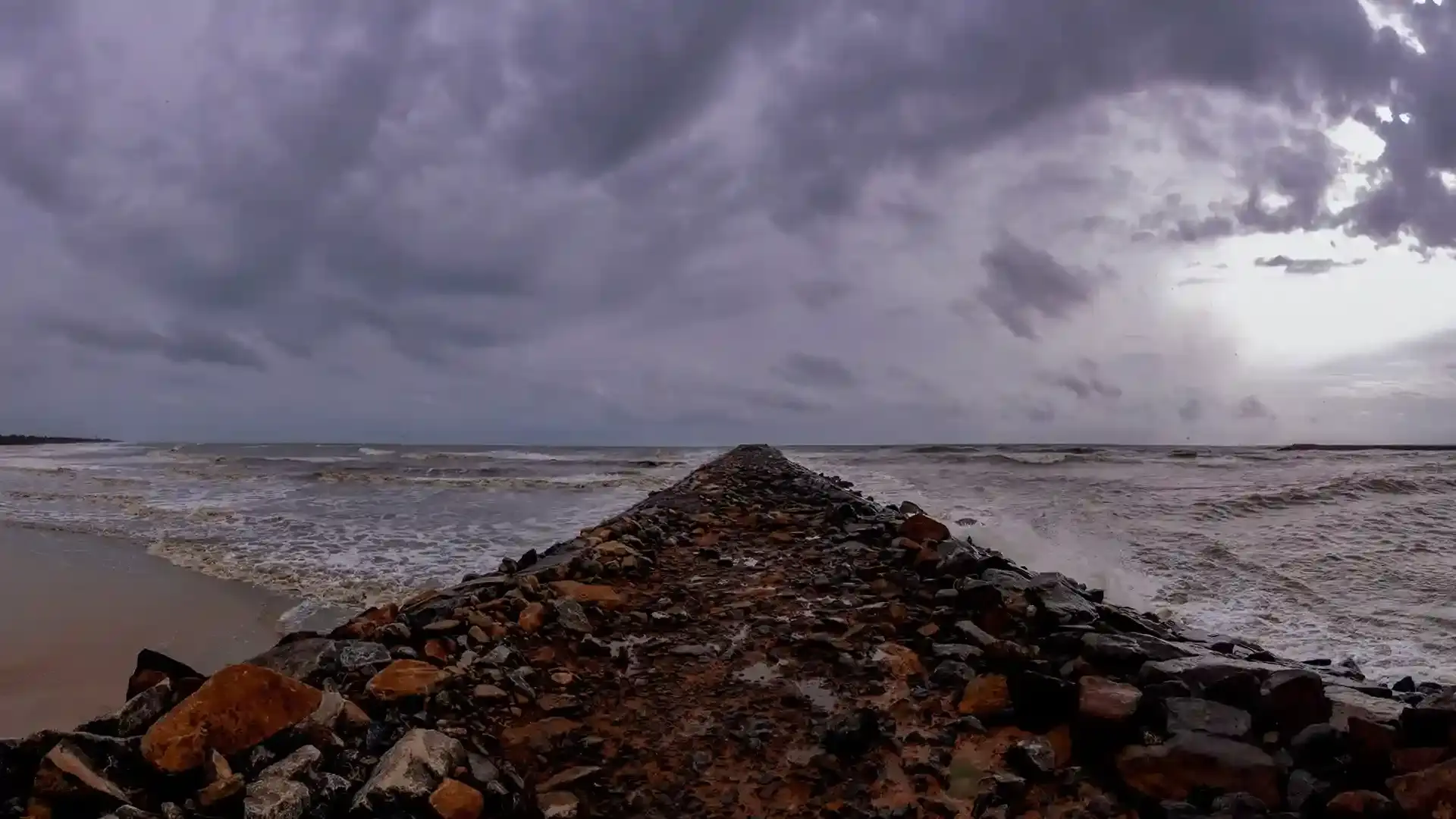
Kanwatheertha Beach
Kanwatheertha Beach, near Manjeswaram in Kasaragod, is famous for its unusual natural rock formation that creates a large, pool-like swimming area on the beach — a natural rock pool where sea water collects, allowing safe and calm swimming even when the sea is rough. It is one of the few such formations along the Kerala coast.
The wide beach with its distinctive rock pools, soft sand, and palm-lined backdrop is a family-friendly destination. The natural pool is especially popular with locals on weekends. The remote location keeps it uncrowded, adding to its appeal as an offbeat coastal escape in northern Kerala.
Kappil Beach
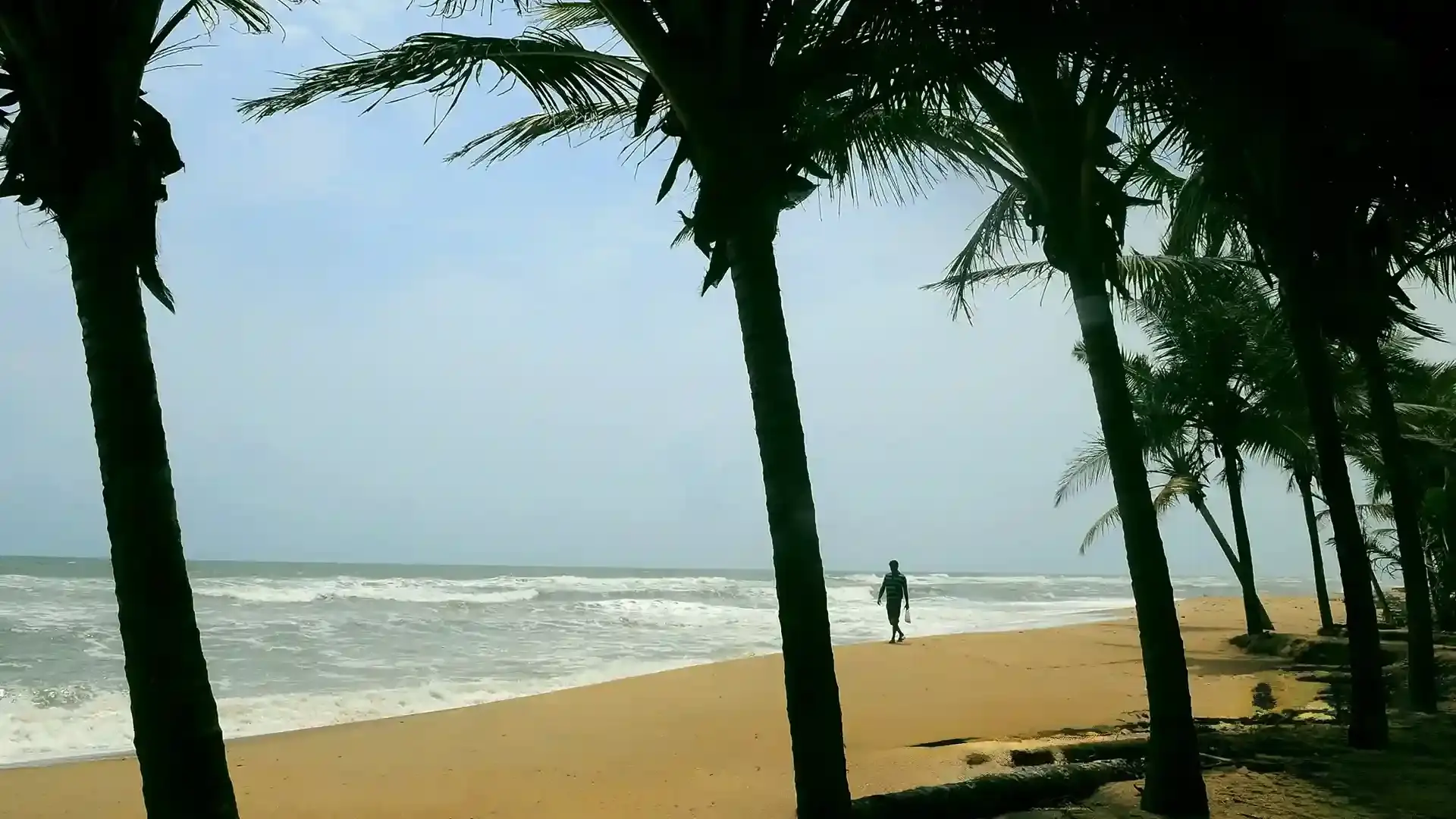
Kappil Beach is a serene coastal stretch about 6 km north of Bekal Fort, where the Kappil backwater meets the Arabian Sea. The narrow strip of land between the backwater and the sea creates a unique landscape — you can stand on the beach with the lake on one side and the ocean on the other.
The beach is relatively quiet and undeveloped, making it ideal for peaceful walks and photography. The backwater side offers calm kayaking and canoeing opportunities, while the sea side has waves and sunset views. The contrast between the still backwater and the dynamic sea, all within a few metres, is a characteristic feature of this beautiful spot.
Valiyaparamba Backwaters
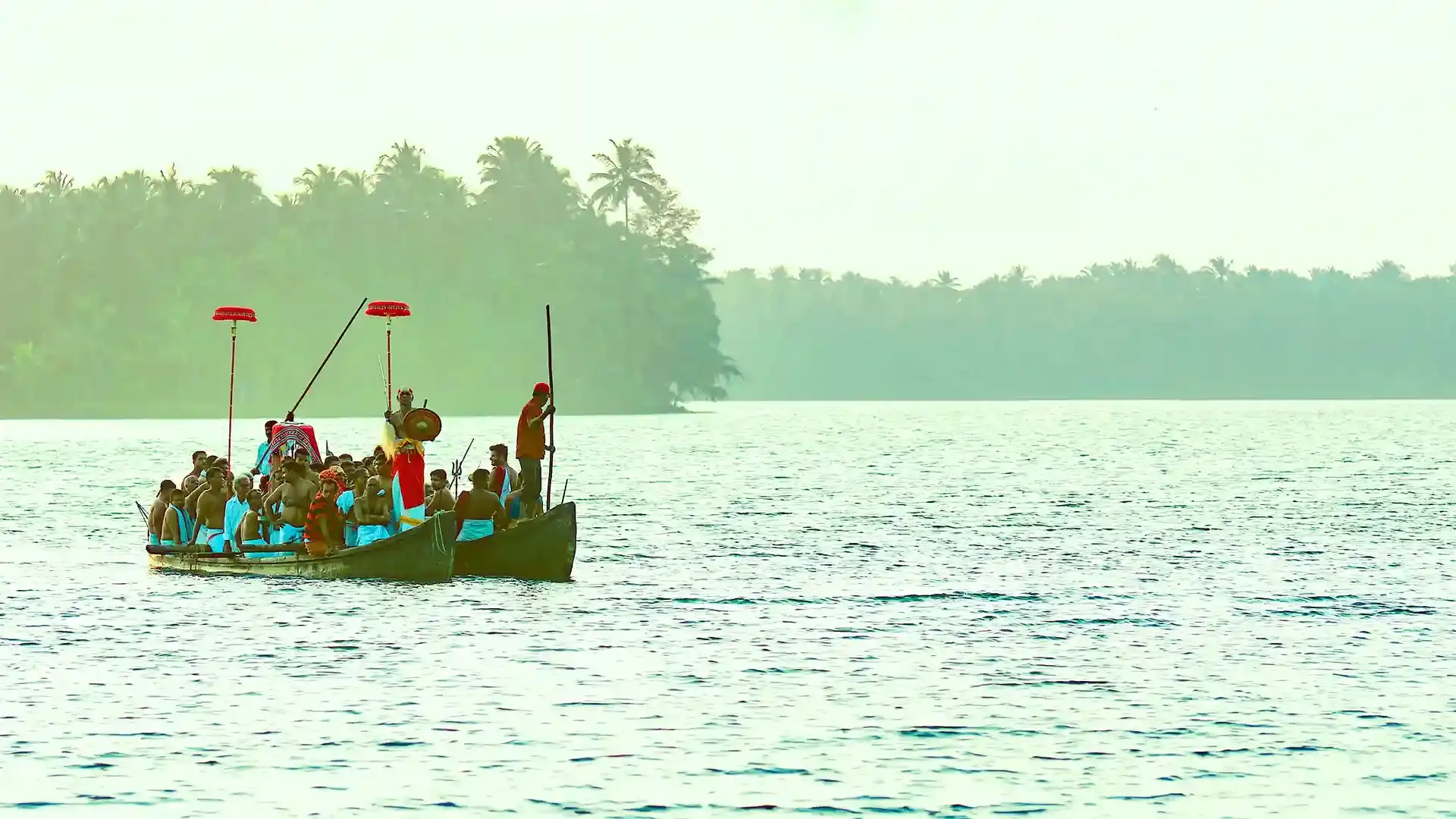
Valiyaparamba is one of the most picturesque backwater destinations in northern Kerala — a vast, serene network of interconnected islands, lagoons, and waterways stretching between the river systems and the Arabian Sea in Kasaragod district. Often compared to the more famous Alappuzha backwaters, Valiyaparamba offers a quieter, more intimate experience.
Houseboat cruises through the Valiyaparamba backwaters pass through coconut groves, fishing villages, mussel farms, and narrow waterways with overhanging palms. The DTPC operates houseboat services, and smaller country boats can be hired for more personal explorations. The tranquillity, the birdsong, and the mirror-like water reflecting the sky make Valiyaparamba a hidden gem of the Kerala backwater experience.
Ranipuram Hills & Wildlife Sanctuary
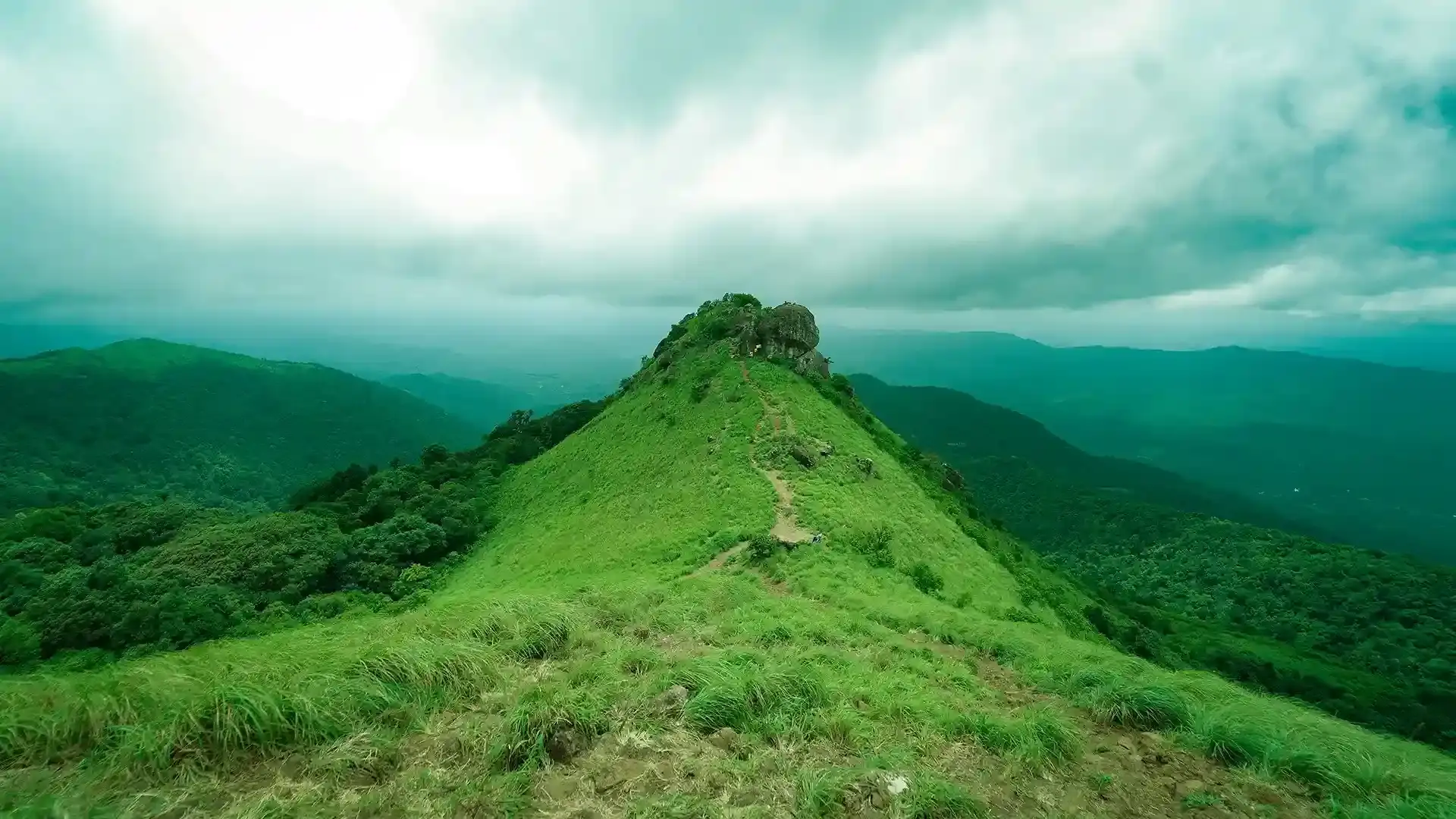
Ranipuram (formerly Madathumala), at about 750 metres, is the highest point in the Kasaragod district and is often called the 'Ooty of Kerala' for its rolling green hills, cool climate, and misty grasslands. Located about 50 km from Kasaragod, the Ranipuram Wildlife Sanctuary covers a range of shola-grassland hills that are a trekker's paradise.
The trekking trails wind through grasslands, scrub forest, and patches of dense shola, with panoramic views from the hilltops of the surrounding Western Ghats and the coastal plains far below. The area is home to deer, wild boar, various primates, and a rich variety of birds and butterflies. The best trekking season is October to March. Ranipuram is being developed as an eco-tourism destination and offers one of the best trekking experiences in northern Kerala.
Empfohlene Reiserouten
One Day in Kasaragod
Morning: Bekal Fort & Bekal Beach → Afternoon: Ananthapura Lake Temple → Evening: Chandragiri Fort at sunset
2–3 Days in Kasaragod
Day 1: Bekal Fort, Bekal Beach, Kanhangad Fort · Day 2: Valiyaparamba backwater cruise, Ananthapura Temple, Chandragiri Fort · Day 3: Ranipuram trek, local spice farms, Malik Deenar Mosque
Lokales Flair
Essen
Kasaragod cuisine is unique — Noolputtu (string hoppers), Patrode (colocasia leaf rolls), and seafood with coconut-based gravies are local specialities.
Feste
Theyyam and Yakshagana performances are a cultural hallmark. The Bekal Food and Music Festival draws visitors from across the state.
Handwerk & Traditionen
Kasaragod is famous for its traditional Kasaragod Saree — a handloom cotton saree with distinctive red and gold borders woven using ancient techniques.
Praktische Infos
Kannur International Airport (CNN) — about 90 km south; Mangalore Airport (IXE) — about 50 km north
Kasaragod Railway Station
October to March (pleasant weather, ideal for fort visits and trekking)